


Top-rated landscapers.

Get matched with top landscapers in Canton, PA

Enter your zip and get matched with up to 5 pros

Need a pro for your landscaping project in Canton, PA?

Select your specific project to find the pro for you.

Find Landscapers in Canton

Avatar for Stemler Services LLC
Stemler Services LLC
5.0(
7
)
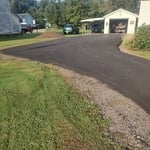
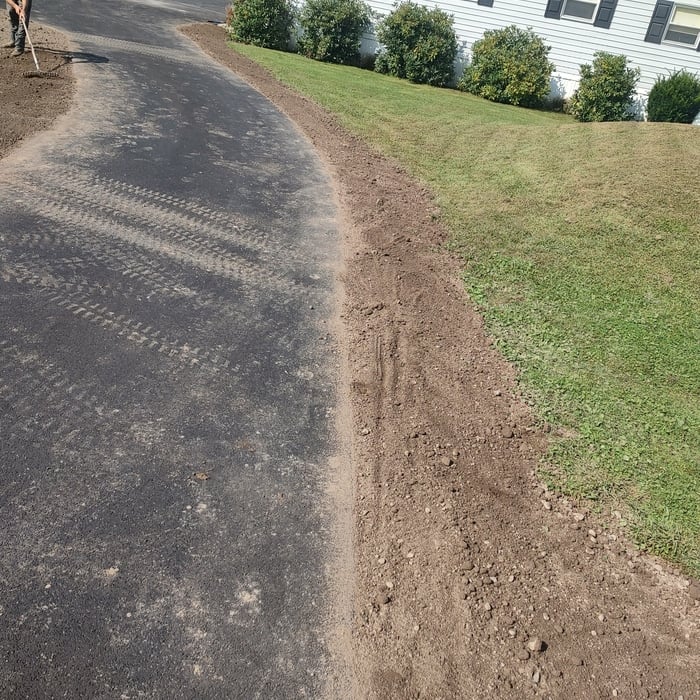
Landscape - Minor Grading or Resloping

Serving Canton, PA and surrounding areas

Approved

Super Service Award Winner

In business since 2024

Free estimates

Emergency services offered

"Went way above and beyond! Helped finish work that was being done in our living room. Cleaned up every piece of material that was utilized and made sure that everything was 100 percent to our satisfaction. Highly recommend for any job you need accomplished as he truly does go above and beyond!"
Our Team
Our Team
Our Team
Our Team
My Jobs

+24

Response time2 hrs
Response rate97%
5 neighbors recently requested a quote
M&S lawn and landscape
New to Angi
Landscape - Soil, Sand, Mulch and Rock DeliveryLawn & Yard Waste Clean UpLawn Care - Maintain and Mow a Lawn

Serving Canton, PA and surrounding areas

Approved

M&S Lawn and Landscape provides reliable and professional lawn care services in Scranton, PA and surrounding areas. 🌱\n\nWe specialize in lawn mowing, trimming, edging, mulch installation, and yard cleanups. Our goal is simple: quality work, dependable service, and a property you can be proud of.\n\n🏡 Residential Lawn Care\n🌱 Lawn Mowing & Maintenance\n✂️ Trimming & Edging\n🪵 Mulch Installation\n🍂 Yard Cleanups\n💬 FREE ESTIMATES\n\n📍 Serving Scranton and surrounding areas.\n\nMessage us today for a free estimate!

...
Showing 1-10 of 86
Landscaping questions, answered by experts

The primary disadvantages of xeriscaping are the high upfront cost and the significant labor required to establish it. A xeriscaping project can cost between $3,000 and $24,000 on average. Additionally, the resulting landscape will have less of a traditional green appearance, which may not appeal to everyone's personal taste and could potentially narrow your pool of buyers if you decide to sell your home. However, despite these initial drawbacks, the long-term benefits include saving water, time, and money on lawn maintenance.

Unless it only rains once in a blue moon where you live, you’re going to want water-loving plants in your garden bed or pot. A few ideas for plants that aren’t super fast-growing (meaning they’re good in pots or near foundations) and can handle a lot of standing water include: 

  • Acorus (Sweet flag)

  • Colocasia esculenta (Taro or elephant ear): In many climates, these are annuals, making them less desirable because you need to adjust the chain again after each replant.

  • Equisetum scirpoides (Dwarf horsetail rush): non-dwarf varieties of horsetail are fast growers and can take over quickly.

  • Juncus effusus (Curly rush)

  • Osmunda regalis (Royal fern): Royal fern can grow quickly but can also handle being crowded, making them good container plants.

Buying plants from a nursery is one thing, but ensuring that they are properly planted is another. While you might not need to hire a landscaper for every plant that you buy from a nursery, it’s a great idea to have their expertise and experience to plant larger items, like burlapped trees or specialty plants like rose bushes. Even better, before making a trip to a nursery to buy new plants, consult a local landscaper to test your soil for pH levels, soil texture, and phosphorus and potassium levels to help determine the best plants for your area.

The best way to landscape your front yard on a budget is to invest in hiring a professional for hardscaping—things like upgrading walkways, redoing driveways, and installing partitions around garden beds. You can often do the softscaping yourself—think laying down mulch, caring for your lawn, removing weeds, and planting flowers and shrubs. It’s also almost always worthwhile to pay a professional for routine yard maintenance, as this dramatically improves curb appeal and delivers above 100% ROI in most cases.

As much as you might try to keep a healthy, nutrient-rich lawn, you still may notice signs of St. Augustine decline (SAD)—a viral disease that discolors your grass blades. St. Augustine decline looks like:

  • Discoloration in the leaves (chlorosis)—leaves appear yellow and splotchy

  • Decline in growth

  • Leaves turn black within 3 years

  • Grass appears less vibrant

  • Grass begins to thin

  • Root rot

  • Grass takes longer to recover

The Canton, PA homeowners’ guide to landscaping services

From average costs to expert advice, get all the answers you need to get your job done.