

Top-rated welders.

Get matched with top welders in Jefferson, PA

Enter your zip and get matched with up to 5 pros

Need a pro for your welding project in Jefferson, PA?

Select your specific project to find the pro for you.

Find Welders in Jefferson

Twisted Metal Iron Works
4.2(
22
)

Serving Jefferson, PA and surrounding areas

In business since 2004

Free estimates

Emergency services offered

"I called Richard at Twisted Metal around 11:30 to see if he would come look at the gate. He said he could come at 1:30 that same day, so I was thrilled. Not only did he look at it, but he also repaired the hinges during the same visit. This is a gate we have loved for years and now we will have it to enjoy for years to come, thanks to Richard. It is a challenge today to find someone who is willing to take on a small job, especially in such a timely manner. I would highly recommend his services with any iron works project."
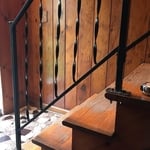
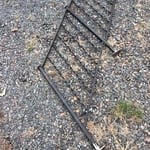
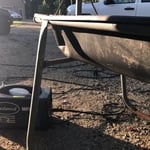
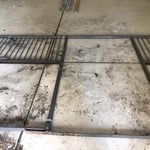
Additional Photos
Additional Photos
Additional Photos
Additional Photos
Additional Photos

+12

Recommended by80%of homeowners
Showing 1-10 of 33
Welding questions, answered by experts

It will likely take an experienced pro less than an hour to install a ground rod, which is another reason why letting them handle the job is such a good idea. Safety concerns aside, it would likely take you much longer to install a ground rod if you decided to take this one as a DIY job.

The cost to weld aluminum averages about $14 to $22 per pound. The type of metal factors into the overall cost of any welding project due to the cost of the materials and the expertise required to work with it. Some of the most common metals used by welders include:

  • Magnesium alloy: $7–$16 per pound

  • Low-carbon steel: $11–$12 per pound

  • Stainless steel: $13–$15 per pound

  • Copper/brass: $24–$29 per pound

  • Cast iron: $38–$79 per pound

  • Titanium: $60–$85 per pound

Professional metal fabricators typically charge around $70 per hour, but the total cost of your project will depend on several factors. The largest cost drivers are the size, complexity, and design of the project, as well as the price and type of metal used. A good way to estimate the total cost is to multiply the cost of raw materials by four; typically, one-quarter of the total goes toward materials and three-quarters toward labor. Your geographic location can also influence costs, as labor and material prices vary by region.

This all depends on the tools you have on hand and whether you’re trying to cut a straight line or shapes. 

The best tool to use for straight lines is either a circular saw or table saw. When cutting shapes, a jigsaw will be the easiest and most precise tool to use. 

Since water heaters are primarily made of metal, they’re commonly accepted by scrap yards and collectors. Don’t expect to fetch a high price, though—water heaters are mostly steel and aluminum, which aren’t high-value metals. Some components are made of more valuable metals, like brass and copper, but they’re a small portion of the heater and won’t affect the price much.

The Jefferson, PA homeowners’ guide to welding services

From average costs to expert advice, get all the answers you need to get your job done.