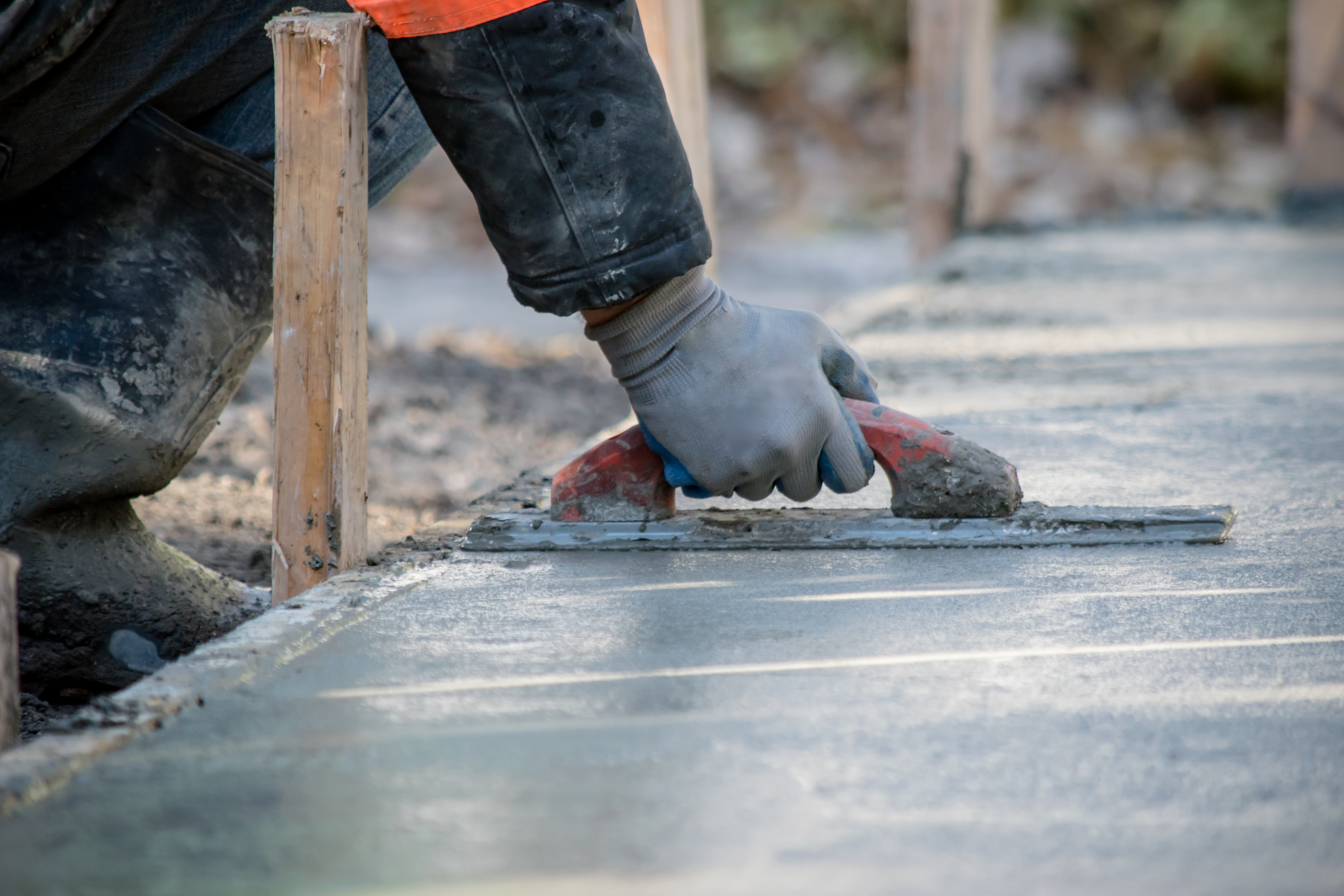
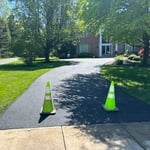
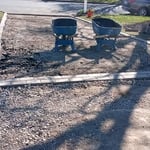
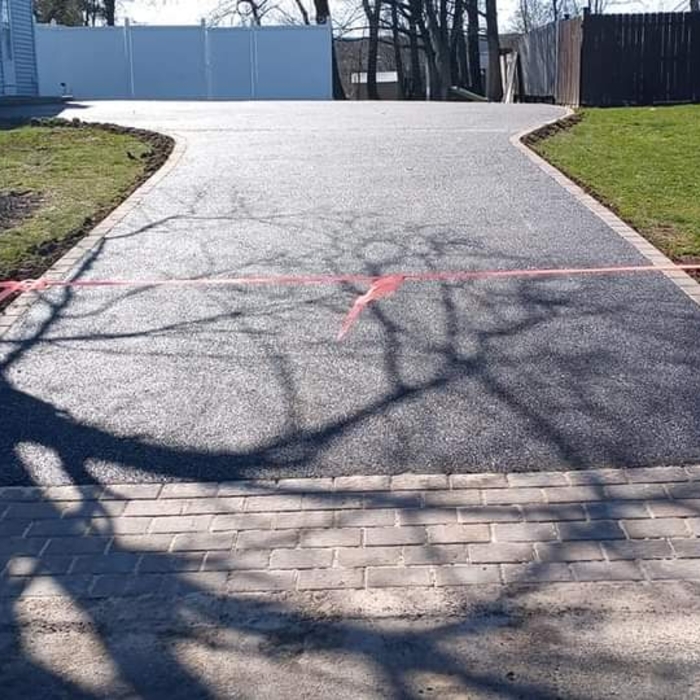
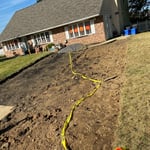
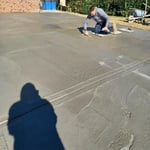
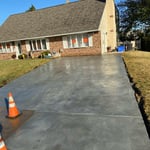
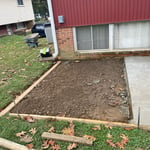
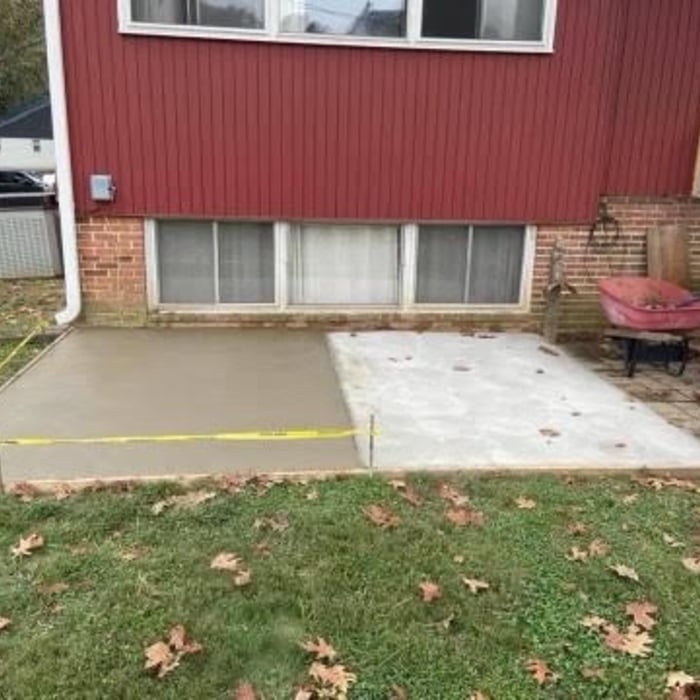
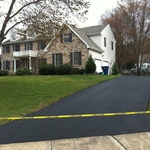
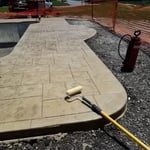
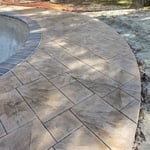
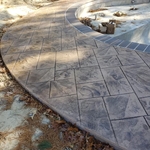
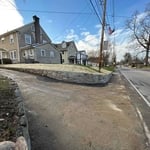
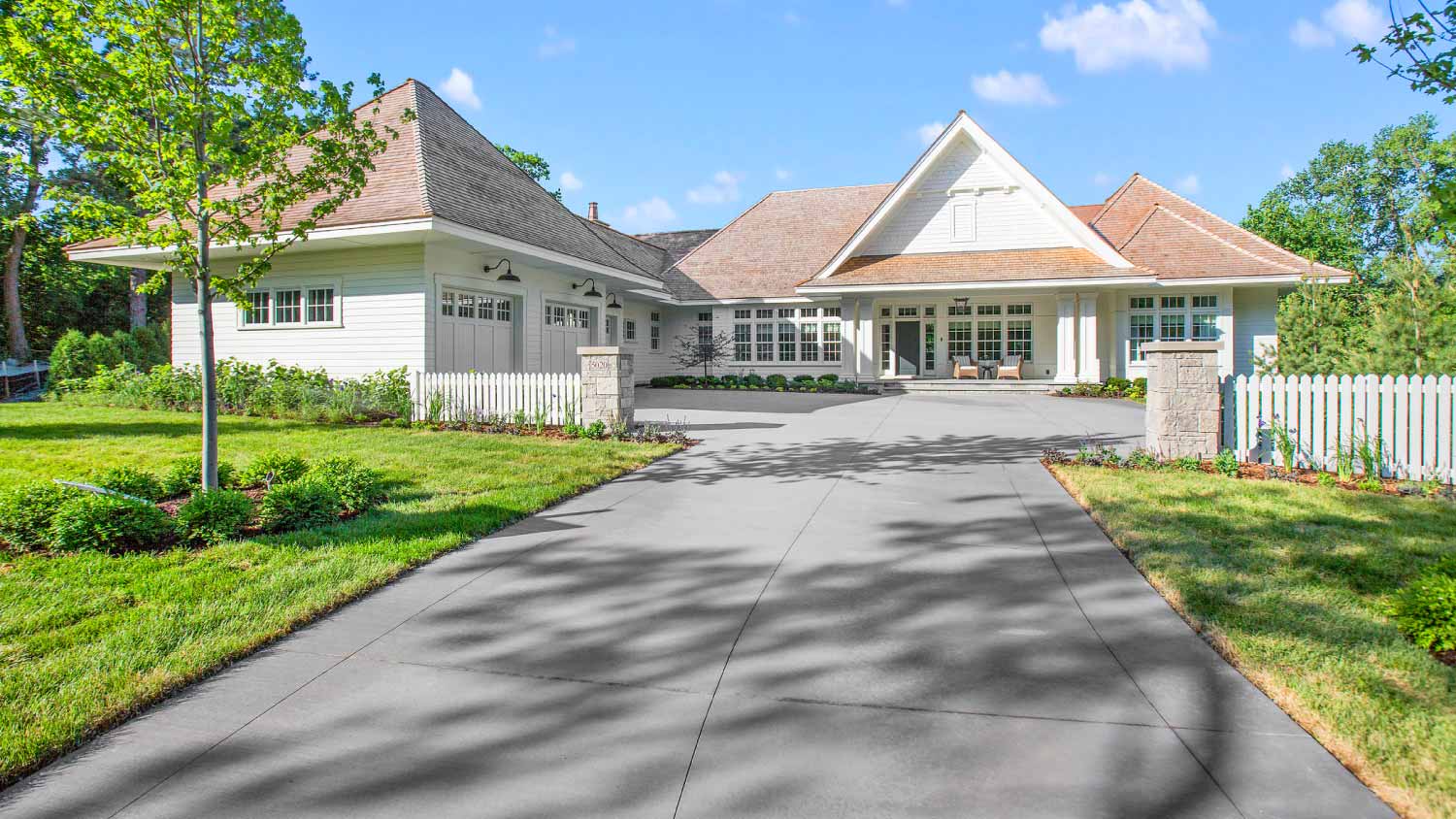
"They were very meticulous in pouring and finishing the concrete sidewalk. They sealed the concrete to protect from heavy road salt. They replaced dirt and restored my lawn to the previous condition. This crew shows up a scheduled time for the job, gets their own permits, and schedules inspections. We love our new sidewalk. It’s perfect!"
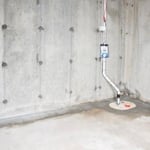
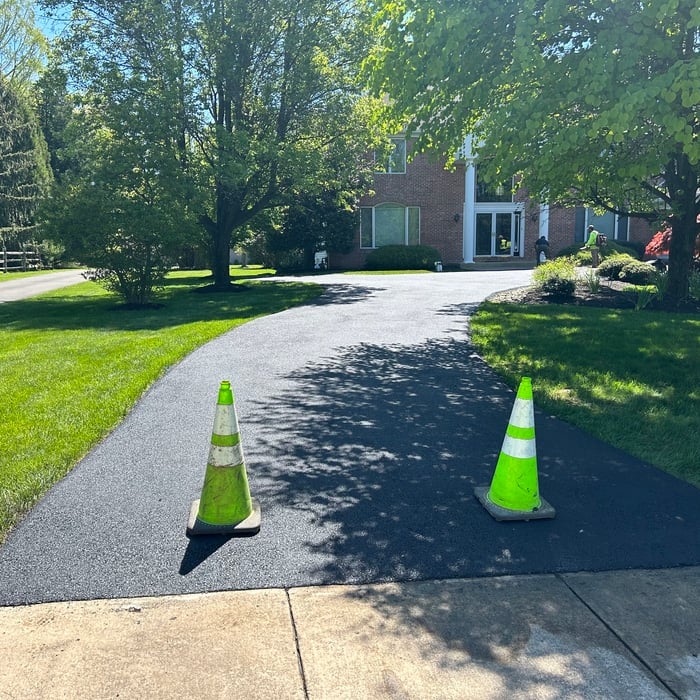
"Highly recommend Spade Concrete and will use them again for any concrete / home improvement projects. Thanks to the amazing work by Spade my basement looks brand new and I have the best looking driveway on the block. Outstanding job!"
"Overall Jarren is a professional and I would recommend his work. But... I did have one major issue. The 2000 square ft, 8-in thick, concrete slab was poured on clean bluestone, 24" deep. He did not vibrate or compact the stone before pouring the concrete. I know because I was there watching them install. It was made very clear that it was very important to do that. We talked about it on several occasions and it must be done. I had asked him to do that and he said he would do that but he did not do that. I followed up with him on email about the issue but he has not yet responded. This was not a major expense to do, so I'm not clear why he would cut a corner on this part of the project that's so very important to do. Perhaps it was just an oversight?"
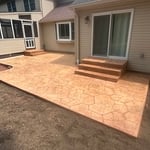
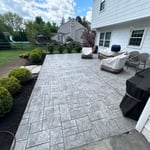
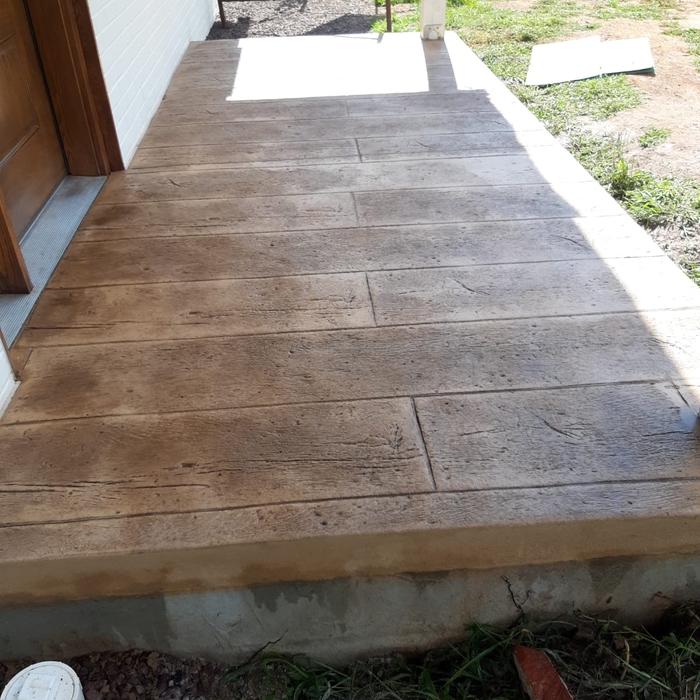
"Did a great job with our project. We replaced an old paver patio with a beautiful stamped concrete patio with a fire pit. We get tons of compliments on the work."
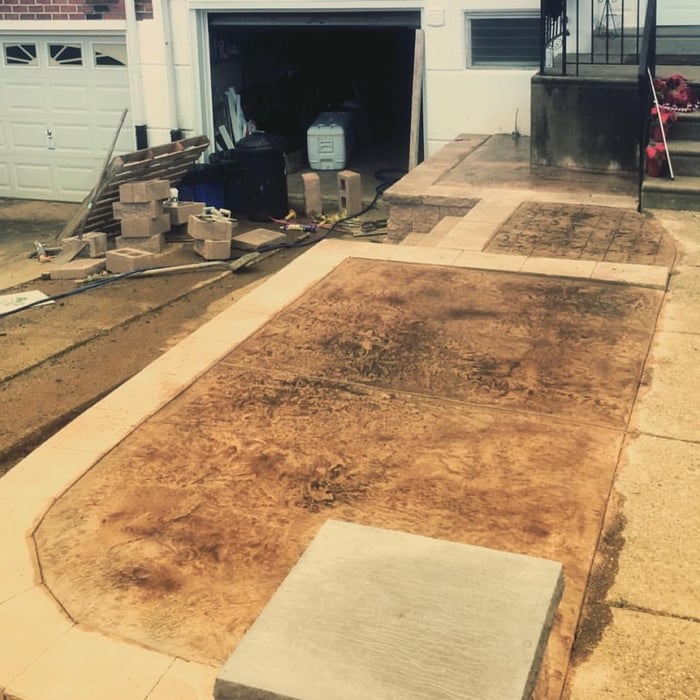
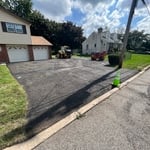
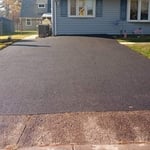
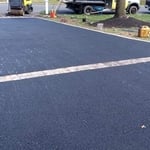
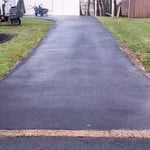
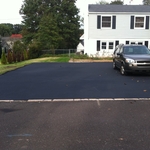
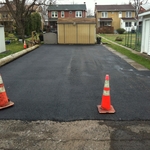
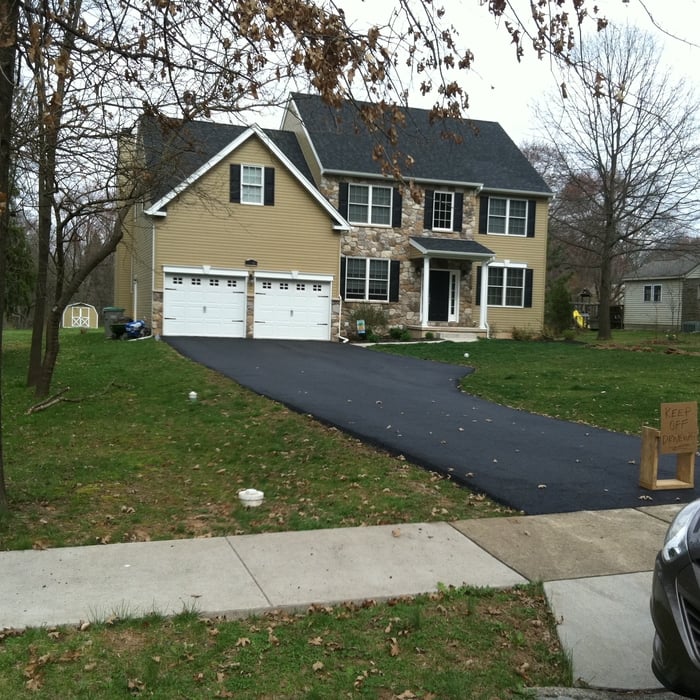
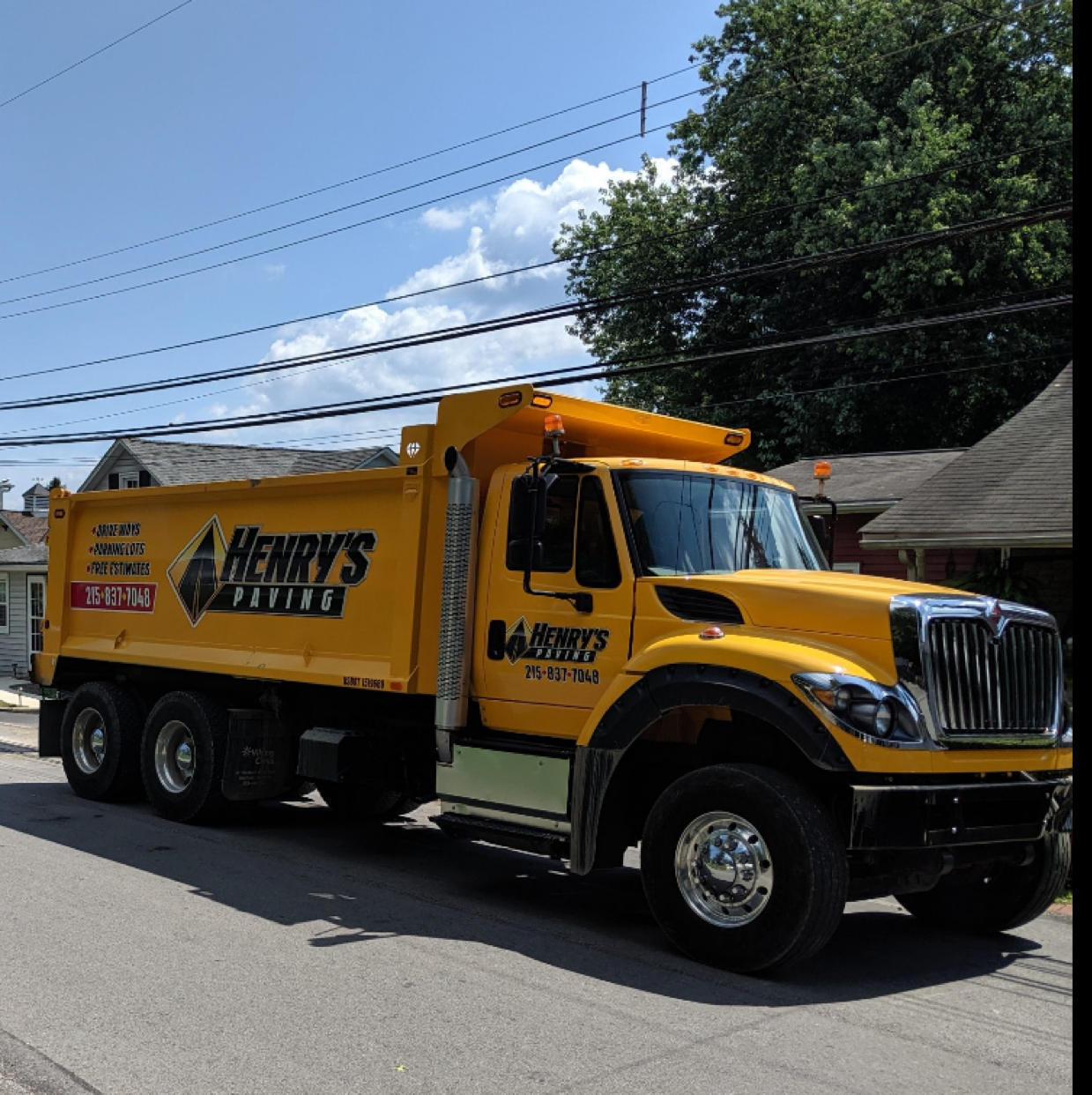
"Henry's got the job done quickly and for a reasonable price. Some extra work needed to be done like removing a cement area and bushes to make room for a wider paved driveway, and they did an excellent job. The driveway looks great, and I would highly recommend Henry's Paving!"
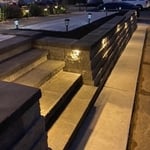
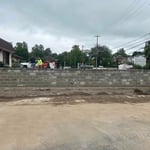
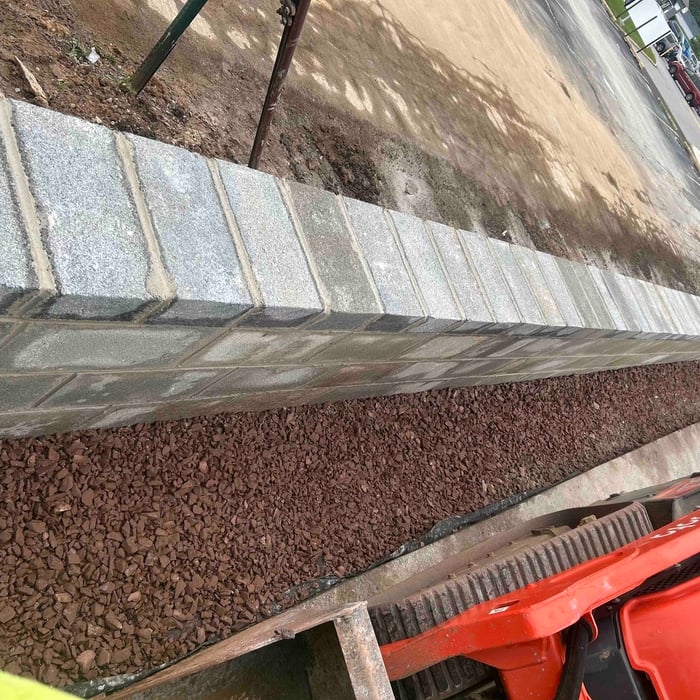
"Luis and crew took a dilapidated wall and recycled all material in the installation. Came out great! He's also completed other concrete and retaining wall work for me and my company. Highly recommend!"
You should avoid using a pressure washer on any surface or item that could be damaged by the high-pressure spray, as some materials are too delicate to withstand the force.
Key items and surfaces to avoid include:
Electrical Components: Never pressure wash electrical systems, as water can cause short-circuits and create a safety hazard. This includes utility meters, breaker boxes, electrical outlets, generators, and HVAC or air conditioner units.
Delicate and Fragile Materials: Fragile items can crack, shatter, or be stripped by the pressure. Avoid pressure washing windows, glass, light fixtures, shingled roofs (especially asphalt), and stucco.
Painted, Stained, or Sealed Surfaces: Unless your goal is to strip the finish, do not pressure wash painted surfaces, stained wood (like decks), or anything with a protective seal that could be stripped away. Be especially cautious with older surfaces that may contain lead paint.
Soft Woods and Certain Decking: Delicate surfaces like softwood, composite decking, and antique or wooden patio furniture can be etched or damaged. If you must wash wood, use a lower-powered pressure washer with a wide-angle nozzle to prevent damage.
Living Things: Never use a pressure washer on people, pets, or plants. The force can cause serious injury and will destroy landscaping.
Pressure washers are better for residential use. Power washers are best suited for cleaning very hard surfaces (like concrete and cement) and removing tough stains or tacked-on grime. Meanwhile, pressure washers have more uses. For example, you can use one to deep clean a wooden fence, spray down your vinyl siding, or clear out your gutters.
The prevention steps are essentially the same, no matter the patio material. Keep the surface clean and maintained. Ensure there's no debris buildup, and cover the whole thing in a quality sealant. If it's the start of a season or it's been a while since you've cleaned the area, use a pressure washer.
If your epoxy application ended up a bit messy and left spills behind, there are several ways to clean epoxy off of a concrete floor. You can use a power washer with at least 3,000 PSI. However, it may be easier to use a scraping tool or an acidic cleaner, like vinegar, to remove unwanted epoxy.
If the entire floor has epoxy and you want to remove just excess epoxy stains, these methods could still strip parts of the epoxy floor. Move carefully and in small areas to minimize damage, or call a pro for an expert finish.
Yes, you can pressure wash with just water. The force of the water alone is often enough to remove dirt, grime, and debris from many surfaces. However, for tougher stains like grease, mildew, or algae, adding a detergent or cleaning solution can enhance the cleaning power. Be sure to use the appropriate nozzle and pressure settings for the surface to achieve the best results without causing damage.
The Jamison, PA homeowners’ guide to concrete driveway services
From average costs to expert advice, get all the answers you need to get your job done.
The cost of a concrete driveway in Philadelphia, PA, varies based on size and concrete type. This cost guide breaks down all the key factors to help you budget.
Find out the average concrete driveway repair cost in Philadelphia, PA. Learn what you can expect to pay for local concrete repair services and fix your slab.
Whether you're pouring a new driveway or adding a patio to your outdoor space, use this guide to determine the cost to pour a new concrete slab in Philadelphia, PA.
Before you hire a pro to pour a new concrete driveway, you should have a good idea of what you need. Discuss these concrete driveway installation questions with a pro.
Thinking about a new concrete driveway? Learn about installation costs, design options, and how to hire the right local pro for your home's exterior upgrade.