



Top-rated deck staining pros.

Get matched with top deck staining pros in Greenville, PA

Enter your zip and get matched with up to 5 pros

Need a pro for your deck staining project in Greenville, PA?

Select your specific project to find the pro for you.

Find Deck staining pros in Greenville

Avatar for Prada Painting, LLC
Prada Painting, LLC
4.8(
90
)
Exterior Home or Structure - Paint or Stain

Serving Greenville, PA and surrounding areas

Approved

In business since 1990

Free estimates

Emergency services offered

"We were very happy with our decision to use Prada Painting! They stained our deck and did a fantastic job. Will be using their services again in the spring for some other projects. Highly recommend!"
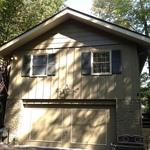
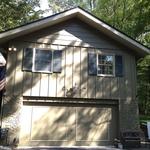
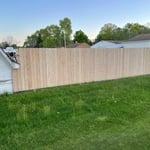
 Front 1
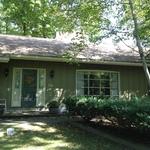
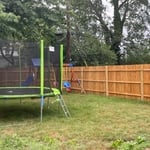
 front 2
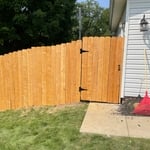
 front 3
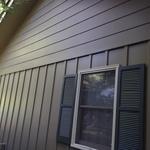
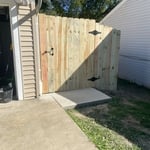
 side 1
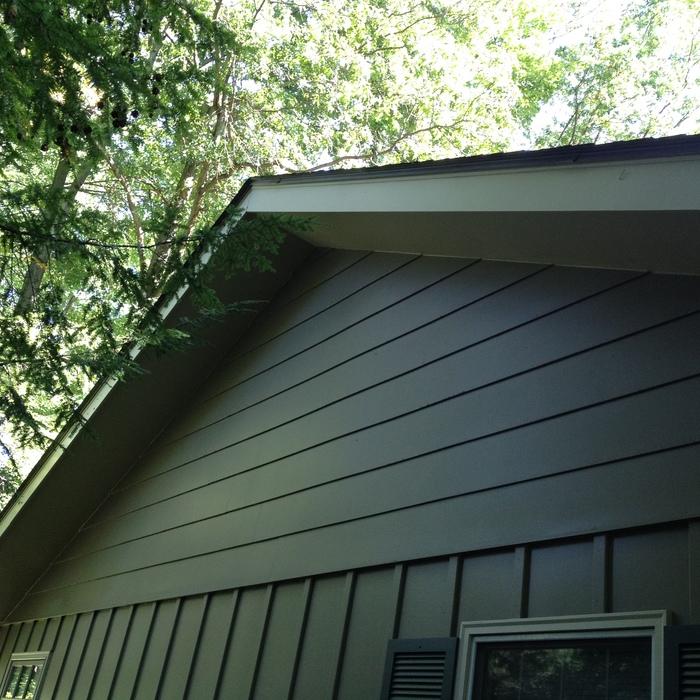
 side 2

+109

Response time1 day
Response rate91%
1 neighbors recently requested a quote
Avatar for Best Paint & Pressure Washing, LLC
Best Paint & Pressure Washing, LLC
New to Angi
Exterior Home or Structure - Paint or Stain: LargeExterior Home or Structure - Paint or StainExterior Home or Structure - Paint or Stain: Medium

Serving Greenville, PA and surrounding areas

Approved

In business since 2021

Free estimates

Emergency services offered

Welcome to Best Paint & Pressure Washing! We take pride in the quality of work and customer satisfaction that we give each and every customer! We are known to pay exquisite attention to detail while making customer satisfaction our top priority. Call us today to learn more about how we can help you!

Response time4 days
15 neighbors recently requested a quote
Showing 1-10 of 41
Deck Staining questions, answered by experts

Staining or sealing a cedar deck or fence is highly recommended to extend its lifespan and protect it from the elements. While cedar is naturally resistant to mold and mildew, it is not impervious to damage from moisture, sun exposure, splintering, fading, and rot over time. Applying a protective finish creates a shield that preserves the wood's strength and appearance, potentially extending its life by five to 10 years.

When choosing a finish, it's helpful to understand the difference between a sealer and a stain. A sealer sits on top of the wood, whereas a combination stain and sealer soaks into the top layer. Because it penetrates the wood, a stain generally offers better protection against UV damage and rot and lasts significantly longer. For the best results that also preserve the wood's natural color, consider using a near-translucent stain.

To maintain protection, plan on reapplying the stain or sealer every two to three years, either as a DIY project or by hiring a professional.

Wood stain does go bad, but it will last in the can for between three and six years, provided you use proper storage techniques. Storing wood stain in open containers or in extremely low or high temperatures will cause your wood stain to become unusable much more quickly. Water- and latex-based wood stains typically last for just two to four years, while oil-based wood stains can last for three to six years.

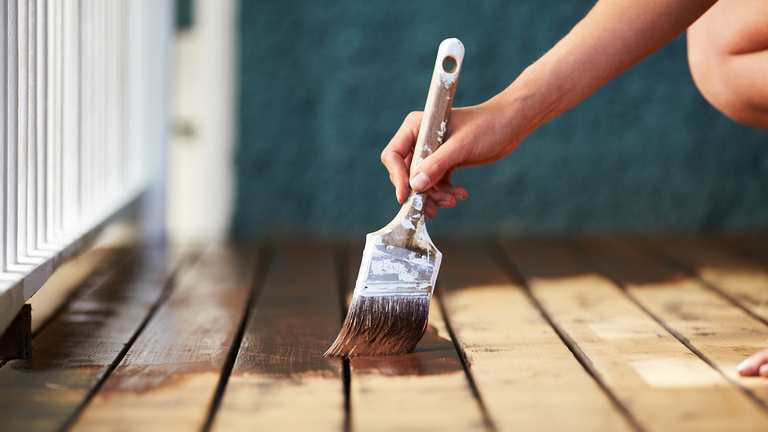
Whether to brush or roll stain on wood depends on the project and your preference. Brushing is ideal for smaller, intricate areas and offers more control over the application, ensuring thorough coverage and penetration into the wood's grain. 
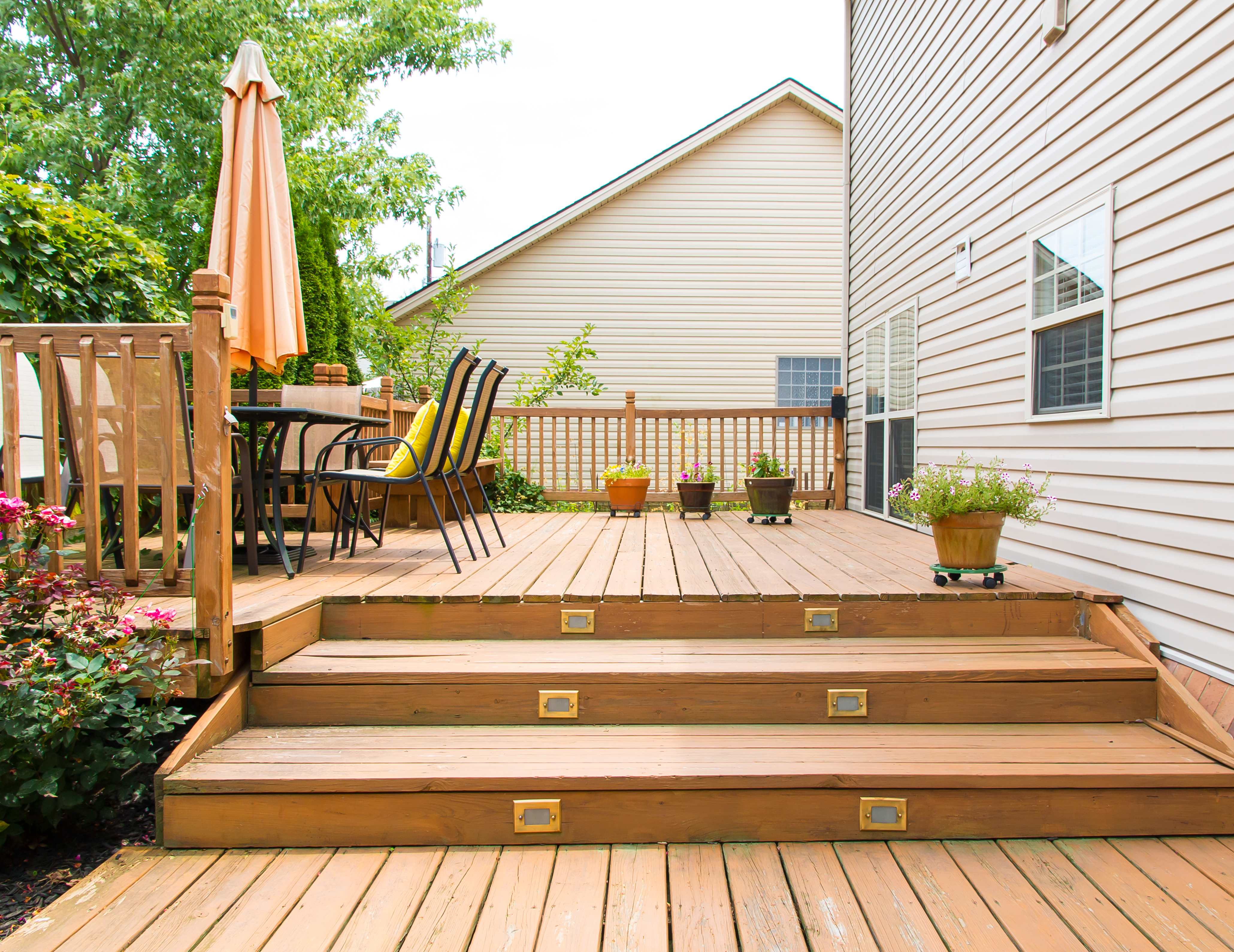
Conversely, rolling is efficient for more extensive, flat surfaces and can save time. However, it is not always the best fit for textured or uneven wood. Some projects may benefit from combining both methods, using a brush for detail work and a roller for broader areas. Ultimately, the choice between brushing and rolling depends on the specific requirements of your staining project.

Limewash and whitewash are two techniques used to give brick a light, matte finish, but they differ in composition, application, and permanence. The best choice depends on your aesthetic goals and the specific surface.

Composition

  • Limewash: A natural and environmentally friendly option made from limestone, water, and sometimes pigments. It is breathable and soaks into porous surfaces like brick.

  • Whitewash: Traditionally made from lime, water, chalk, and binders, but a similar look can be achieved with watered-down white paint. It is paint-based and sits on top of the surface.

Appearance and Finish

  • Limewash: Provides a natural, textured appearance that allows the brick's character to show through. It offers a more traditional finish.
  • Whitewash: Creates a softer, more opaque finish, often used for a rustic or shabby-chic style.
Application and Permanence

  • Limewash: Is semi-permanent and can be removed, making it a good choice if you might want to change the look in the future. It requires more skill to apply and cannot be used on previously painted brick.

  • Whitewash: Is a more permanent solution. It is more forgiving to apply and can be used on painted brick. However, because it sits on the surface, it can trap moisture.

Ultimately, if you want a breathable, natural, and reversible finish for unpainted brick, limewash is a great option. If you need a more permanent, opaque coating that can be applied over painted surfaces, whitewash is the better choice. Whitewashing may also be more economical, costing approximately $1.40 to $4.20 per square foot.

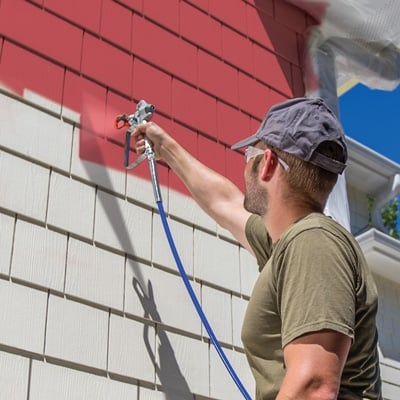
It’s often best to spray on deck sealer. Sprayers can apply sealant more quickly and evenly than rolling while still enabling you to reach tight spaces. When using a sprayer, always use a low-pressure setting at a close distance to ensure an even application. Avoid using sprayers on windy days.

The Greenville, PA homeowners’ guide to deck staining services

From average costs to expert advice, get all the answers you need to get your job done.