




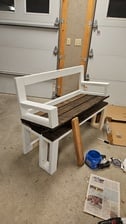
Lowell Baker
Deck or Porch - Repair
Serving Genesee, PA and surrounding areas
Approved
In business since 2024
Free estimates
"Repairing my furnace, fixed ceiling tiles and installed ceiling fan."
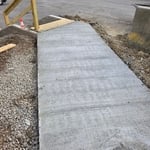
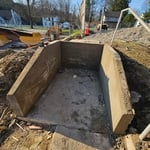
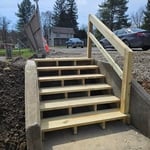
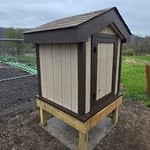
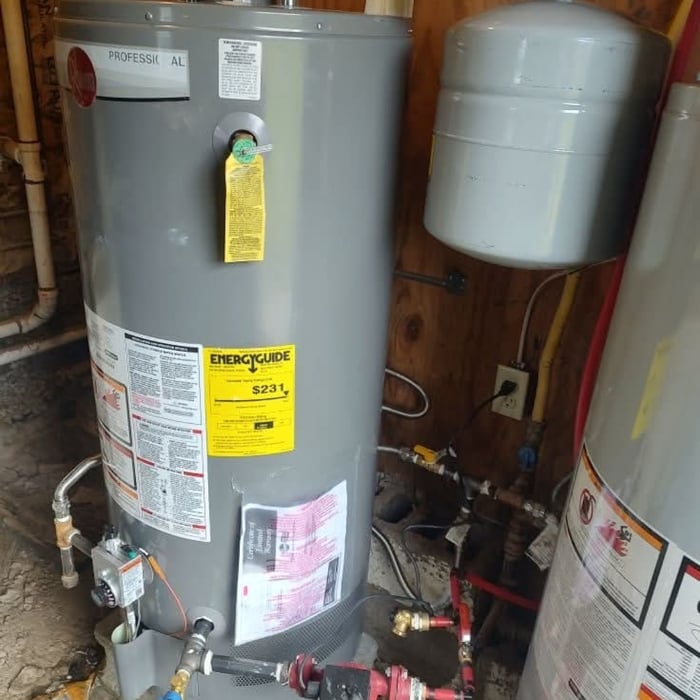
+1
20 neighbors recently requested a quote

*The Angi rating for Deck Repair companies in Genesee, PA is a rating based on verified reviews from our community of homeowners who have used these pros to meet their Deck Repair needs.
*The HomeAdvisor rating for Deck Repair companies in Genesee, PA is a rating based on verified reviews from our community of homeowners who have used these pros to meet their Deck Repair needs.
Last update on February 19, 2026
Serving Genesee, PA and surrounding areas
Approved
In business since 2024
Free estimates
"Repairing my furnace, fixed ceiling tiles and installed ceiling fan."
+1
Serving Genesee, PA and surrounding areas
In business since 2021
Free estimates
Emergency services offered
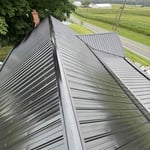
"Good crew of guys. Very hard working!"
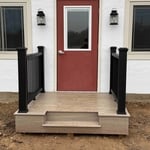
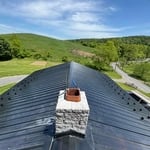
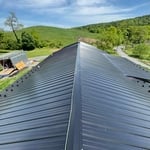
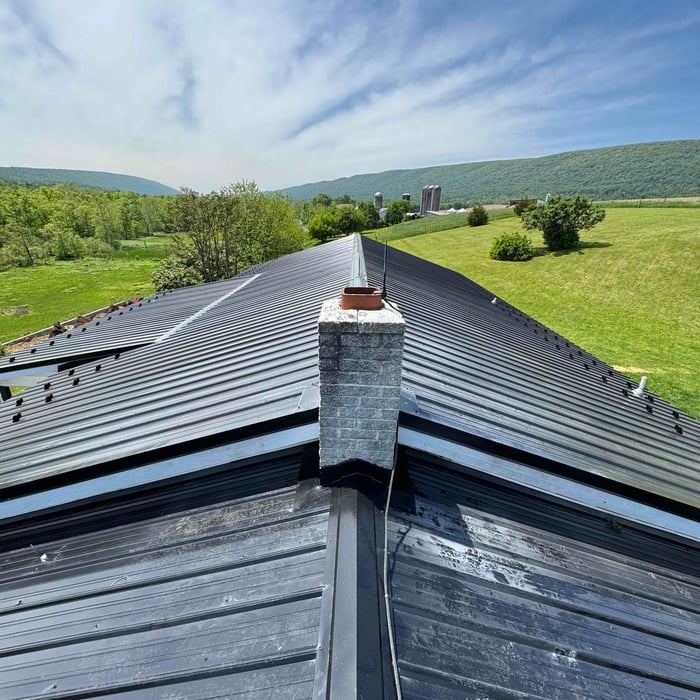
+23
Serving Genesee, PA and surrounding areas
In business since 2013
Free estimates
Emergency services offered
"got the job done in 2 days. Fence looks great!!!"

Serving Genesee, PA and surrounding areas
In business since 2012
Free estimates
Emergency services offered
"They were very pleasant. It was in a less than an ideal condition due to the heat. They were very knowledgeable of what was going on and everything went smoothly. They had a smile on their face by the time they were done with the work."
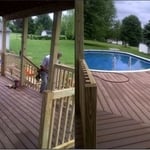
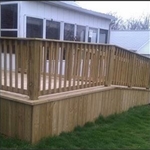
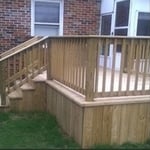
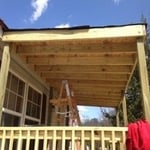
+20
Serving Genesee, PA and surrounding areas
In business since 2019
Free estimates
Credit card accepted
"Very knowledgeable Good to work with"
Serving Genesee, PA and surrounding areas
In business since 1989
Free estimates
Warranties offered
"The owner went out of his way to meet me on a Saturday. The work is being done on my mother's home and he has made my mother feel very comfortable. He was very professional and understanding of our needs. He has just started some of the work on the house and will be working there after Christmas."
Serving Genesee, PA and surrounding areas
In business since 2022
Free estimates
"It was a pleasure working with Al at AHM Services. He painted the kitchen and bathroom and it looks great! He also repaired a broken drawer in the kitchen. He was prompt, pleasant, and a courteous. He was extremely neat while painting. I highly recommend AHM services!!"

Serving Genesee, PA and surrounding areas
In business since 2025
Free estimates
Emergency services offered
"Alex (the owner) responded quickly to my request for a new faucet. He gave me a date and time he would be to my home and sure enough, he was there! He did a great job replacing my faucet and re-caulked my entire kitchen sink area. His rates were very reasonable! I found Alex to be very sincere and professional. We liked him so much he will be starting our bathroom remodel later this month!"


Serving Genesee, PA and surrounding areas
In business since 2011
Free estimates
"Very pleased with this service! Price is right and the work is great!"

Serving Genesee, PA and surrounding areas
In business since 1999
Free estimates
Credit card accepted
"Tim's customer service team follows through to ensure satisfaction and delivery of the product throughout the whole process. Service is excellent."


+10
From average costs to expert advice, get all the answers you need to get your job done.
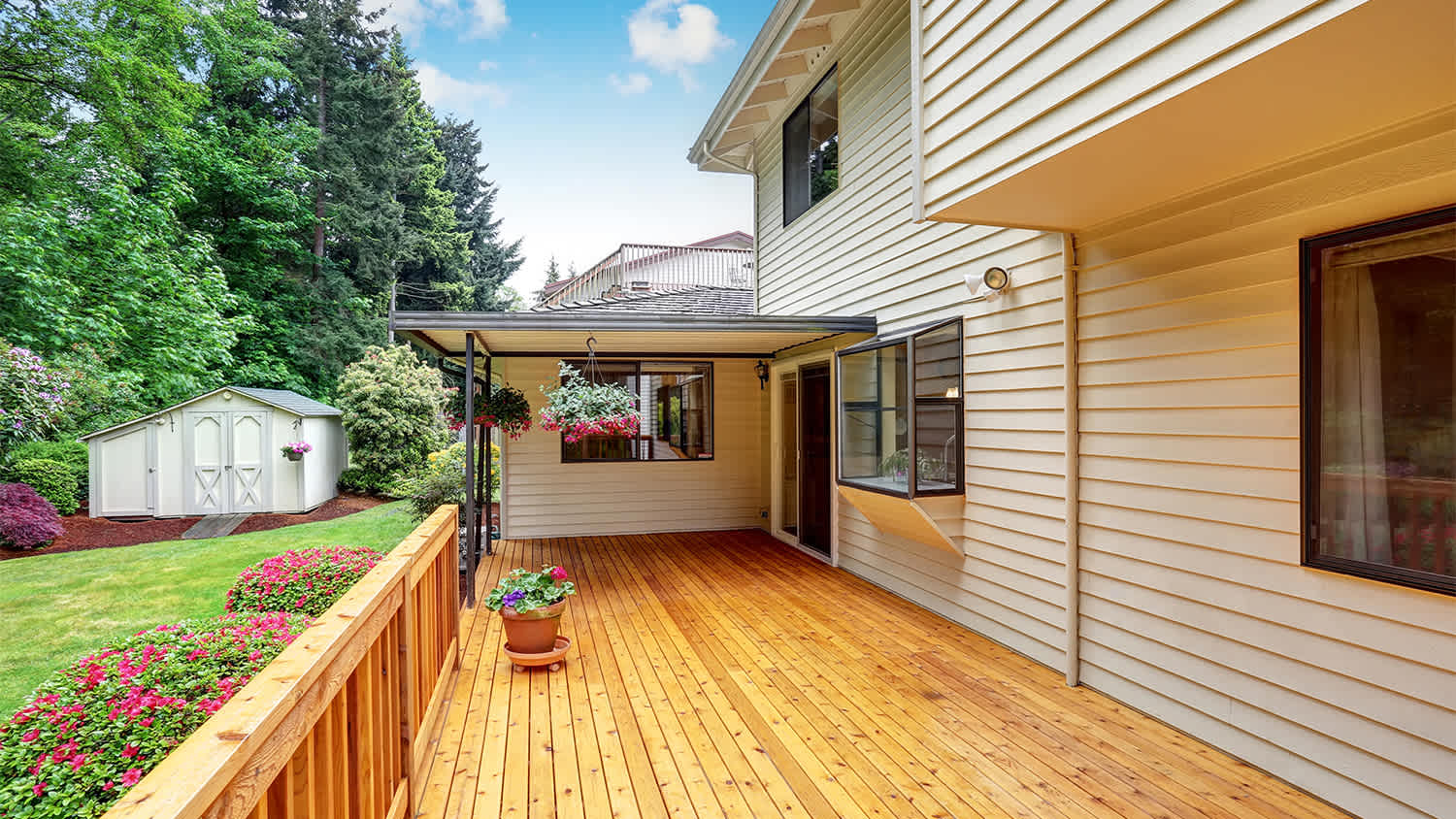
Deck replacement costs depend on materials, any structural damage you need to fix, and more. This guide explores how much it costs to replace or repair a deck.
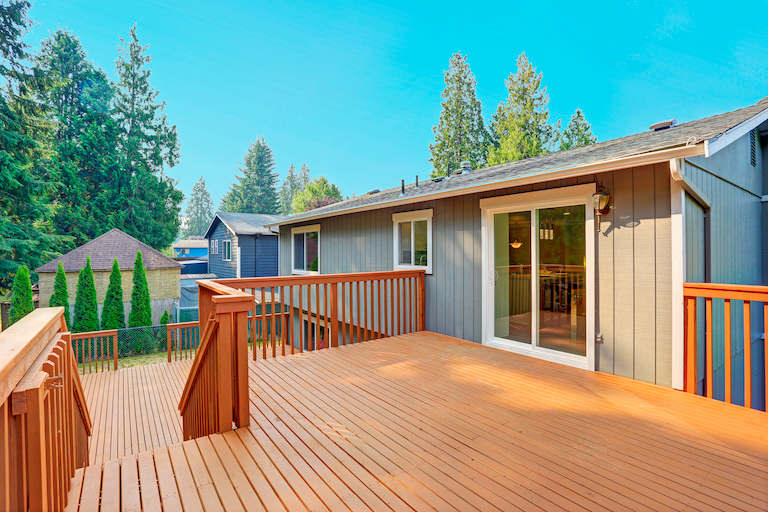
Refinishing your deck is a great way to restore its appearance and fall in love with your outdoor space. Use this guide to learn how much it costs based on factors like size and type.
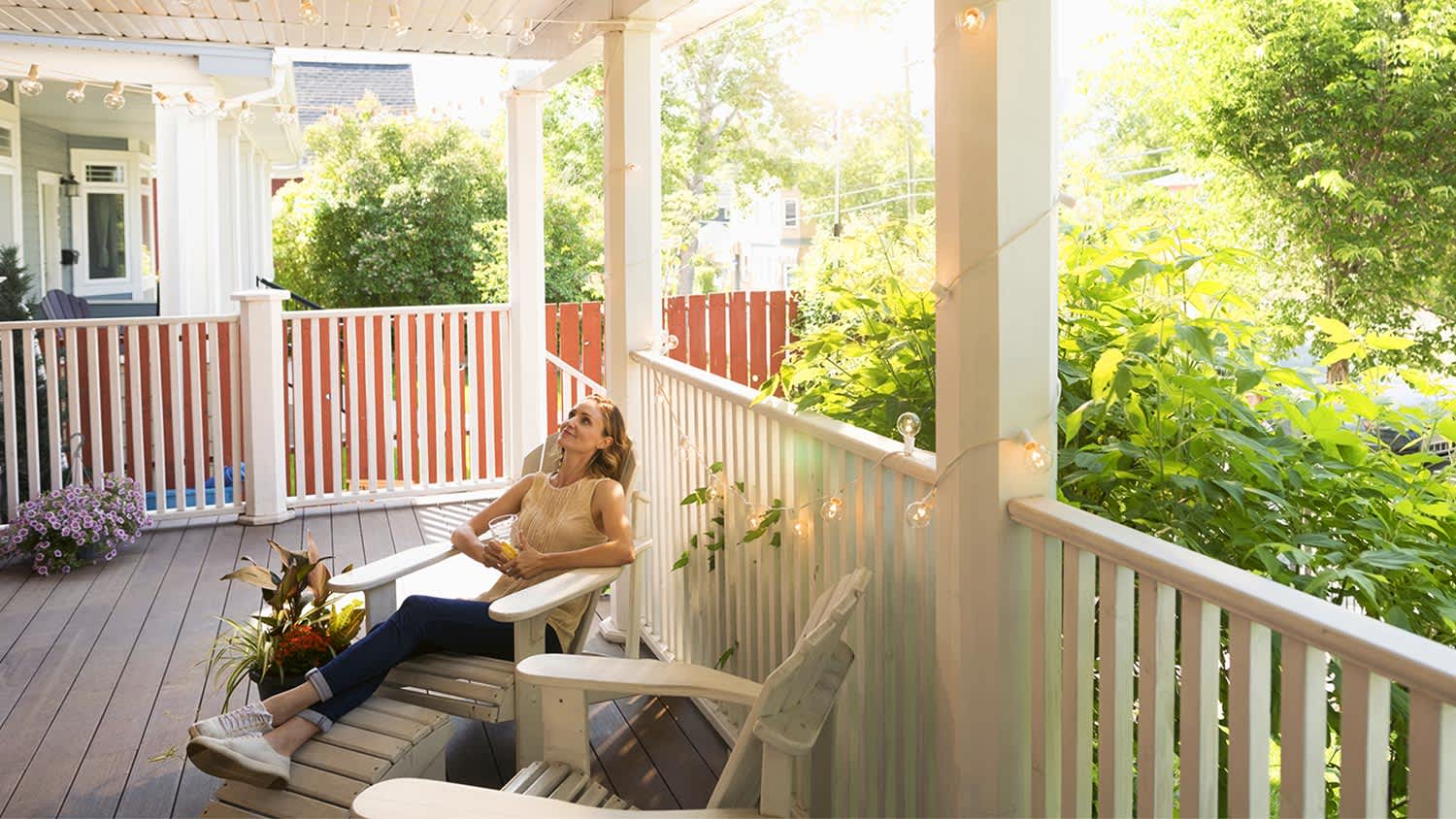
Old and run-down porch railings can be an eyesore and pose a risk of falling. Find out how much it costs to replace your worn out porch railings with new materials.
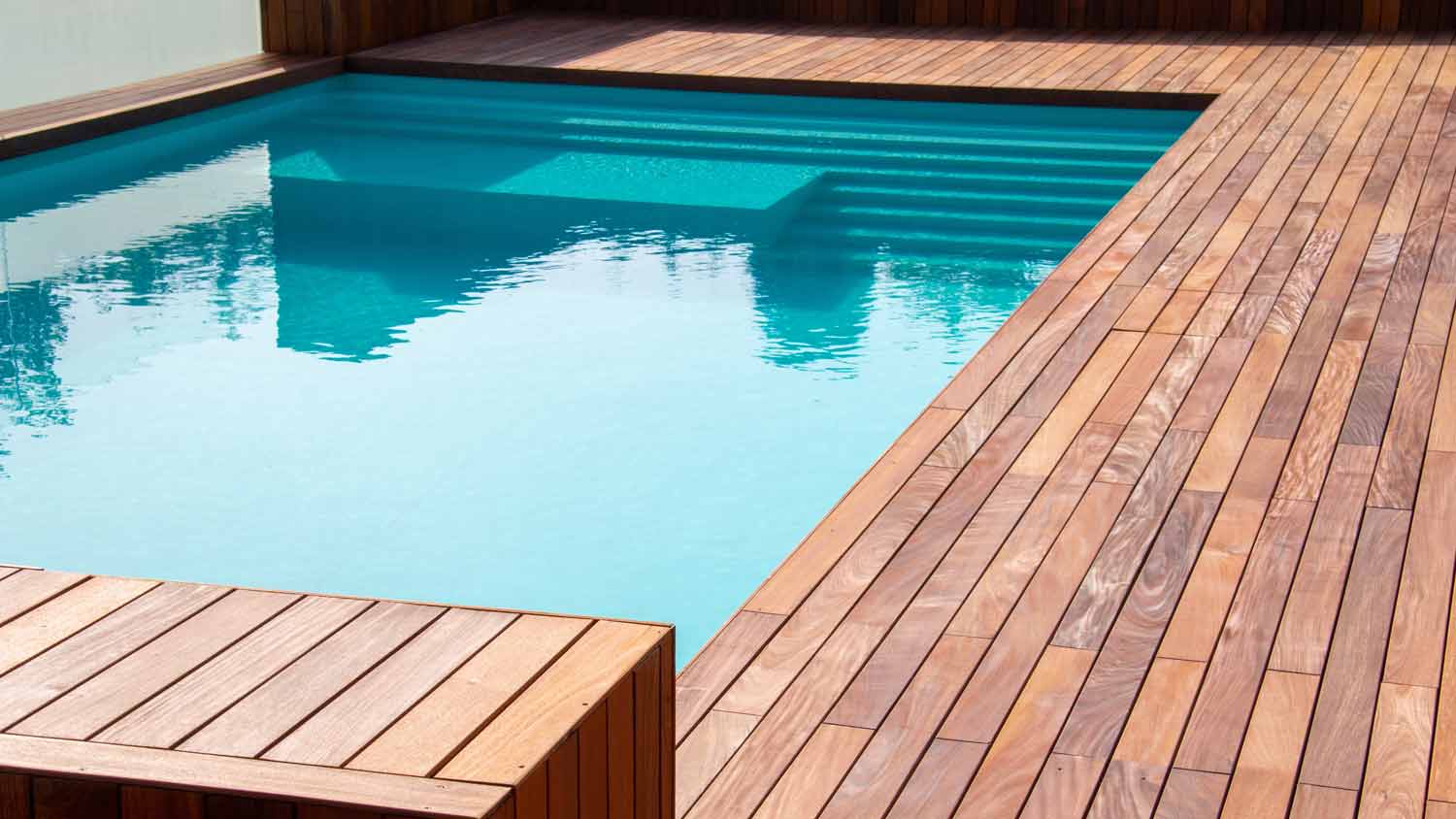
Find the best deck repair pro for your project. Learn how to hire qualified contractors, what questions to ask, and credentials to verify.

Deck repair is a great way to stretch your DIY muscles while keeping your deck safe and stylish. Here are the common repairs and how to tackle them.
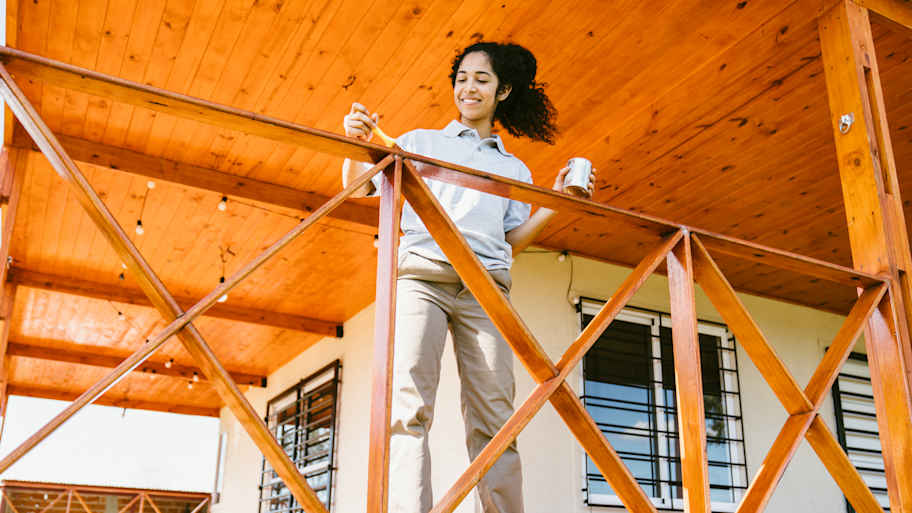
If your deck is in bad shape, this deck repair checklist will help you inspect, clean, maintain, and repair it without missing any vital steps in the process.