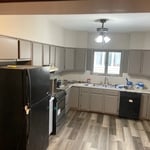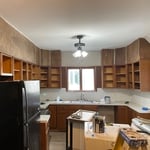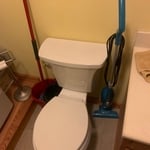



Top-rated deck cleaning pros.

Best deck cleaning pros near Clifton, PA

Enter your zip and get matched with up to 5 pros

Need a pro for your deck cleaning project in Clifton, PA?

Select your specific project to find the pro for you.

TRUSTED BY CLIFTON, PA HOMEOWNERS

  • Average homeowner rating star icon4.5
    Average homeowner rating
  • Verified reviews icon35
    Verified deck cleaning services reviews

Top-Rated Deck cleaning pros in Clifton - Updated Nov 2026

Avatar for Clean and Fix
Clean and Fix
4.8(
16
)
Deck, Fence, Patio or Porch - Clean and Seal - For Business

Serving Clifton, PA and surrounding areas

In business since 2019

Free estimates

Emergency services offered

"I had very good experience with Oliver. He knows what he had to do whenever I needed help. He fixes my appliances and also helped to clean my yard as well as clean my house. I love to work with him. Definitely recommend him in the future."
Pictures of our work
Tub
Shower
Shower
Toilet

+13

Response time1 day
Recommended by92%of homeowners

Avatar for Rose of Sharon Construction
Rose of Sharon Construction
3.9(
16
)
Deck, Fence, Patio or Porch - Clean and SealDeck, Fence, Patio or Porch - Clean and Seal - For Business

Serving Clifton, PA and surrounding areas

In business since 1999

Free estimates

Warranties offered

"He cleaned gutters and removed tiger stripes on them, did brick work, repaired crown moldings, power washed, replaced an outdoor lantern, changed outdoor bulbs, replaced a dimmer on my range hood, fixed a door lock and painted my front door. All this in 5 days. He was on time, had only one helper, cleaned up, and was accommodating. Very satisfied."
Bathroom remodeling
Home improvement
Home improvement
Home improvement
Home improvement

+11

Response time40 mins
Response rate100%
Recommended by100%of homeowners
...
Showing 1-10 of 63
Deck Cleaning FAQs, answered by experts

To flatten a cupped deck board, start by ensuring it’s dry. Then, try flipping the board over so the cupped side faces down and reattach it. If that’s not possible, you can use screws to pull it tighter to the joists or plane the edges slightly to reduce the cup. It’s best to replace severely cupped boards.

Ideally, a gate should be able to swing both in and out. However, if it can only open in one direction, it is generally best for it to swing inward. This is often the safest option, especially for deck gates near steps, as you'll want the gate to swing away from the stairs. An inward swing also prevents the gate from opening into a public space, like a sidewalk, and can be more convenient when carrying heavy items like a wheelbarrow into a garden.

There are exceptions, however. The layout of your property may require a different approach. For example, if your property is on a slope, the gate may not be able to swing inward. You should also ensure the gate can open fully without colliding with any objects or blocking access to other areas. For a backyard garden gate where public access isn't a concern, the direction it swings is largely a matter of personal preference. Finally, always check your local building codes, as they may have specific requirements for which way a gate must swing.

PVC decking tends to be cooler than composite because the material is less dense and absorbs less heat. However, it depends on the deck’s color. A dark-colored PVC deck may run hotter than a light-colored composite deck. If you’re concerned about your deck getting too hot, it’s best to stick to a light color such as beige or gray.

Most building codes require that railing spindles (also known as balusters) on decks or stairs be spaced no more than four inches apart. This safety standard is often called the '4-inch sphere rule,' which means a sphere with a 4-inch diameter should not be able to pass through the opening between balusters. This rule is in place to prevent small children and pets from slipping through the railing. For the same reason, the space between the bottom rail and the deck or floor surface should also be no more than four inches. As a general guideline, professionals often install three balusters per foot of railing. However, since specific requirements can vary by location, it is essential to check your local building codes to ensure compliance before starting your project.

Yes, deck pier blocks can be used as an alternative to traditional deck footings, especially for smaller or low-to-the-ground decks. Unlike poured concrete and buried post footings, deck blocks do not require digging or pouring. However, their use is dependent on local building codes. Some areas, particularly those prone to high winds, earthquakes, or hurricanes, may not permit the use of deck pier blocks. It is essential to consult your local building codes before choosing them for your deck project.

The Clifton, PA homeowners’ guide to deck cleaning services

From average costs to expert advice, get all the answers you need to get your job done.