Top-rated lead testing and removal specialists.

Best lead testing and removal specialists near Champion, PA

Enter your zip and get matched with up to 5 pros

Need a pro for your lead testing and removal project in Champion, PA?

Select your specific project to find the pro for you.

Top-Rated Lead testing and removal specialists in Champion - Updated Nov 2026

Avatar for SATURNO ENVIRONMENTAL TESTING LLC
SATURNO ENVIRONMENTAL TESTING LLC
5.0(
5
)
Toxic Lead - Testing

Serving Champion, PA and surrounding areas

Approved

In business since 2020

Credit card accepted

Saturno Environmental Testing, LLC is a Lead Evaluation Firm EPA and NJ DCA certified. At Saturno, our goal is to educate the public about dangers of lead paint, help clients to be in complience with lead regulations and to help clients to get their lead safe and lead free certificate with the best of the services we offer.

Lead Risk Assessment
Exterior Door
9 neighbors recently requested a quote
Avatar for ULTIMATE CUSTOM PAINTING, LLC
ULTIMATE CUSTOM PAINTING, LLC
4.4(
335
)
Toxic Lead - AbatementToxic Lead - Testing

Serving Champion, PA and surrounding areas

In business since 2017

Free estimates

Emergency services offered

"Perfectly! The guys did the room in one day - base coat and two coats. Even though I created a drama by transposing Sherwin Williams numbers, they were still able to make the correction and finish the room that day!"
Additional Photos
Additional Photos
Additional Photos
Additional Photos
Additional Photos

+45

Recommended by93%of homeowners
Lead Testing and Removal FAQs, answered by experts

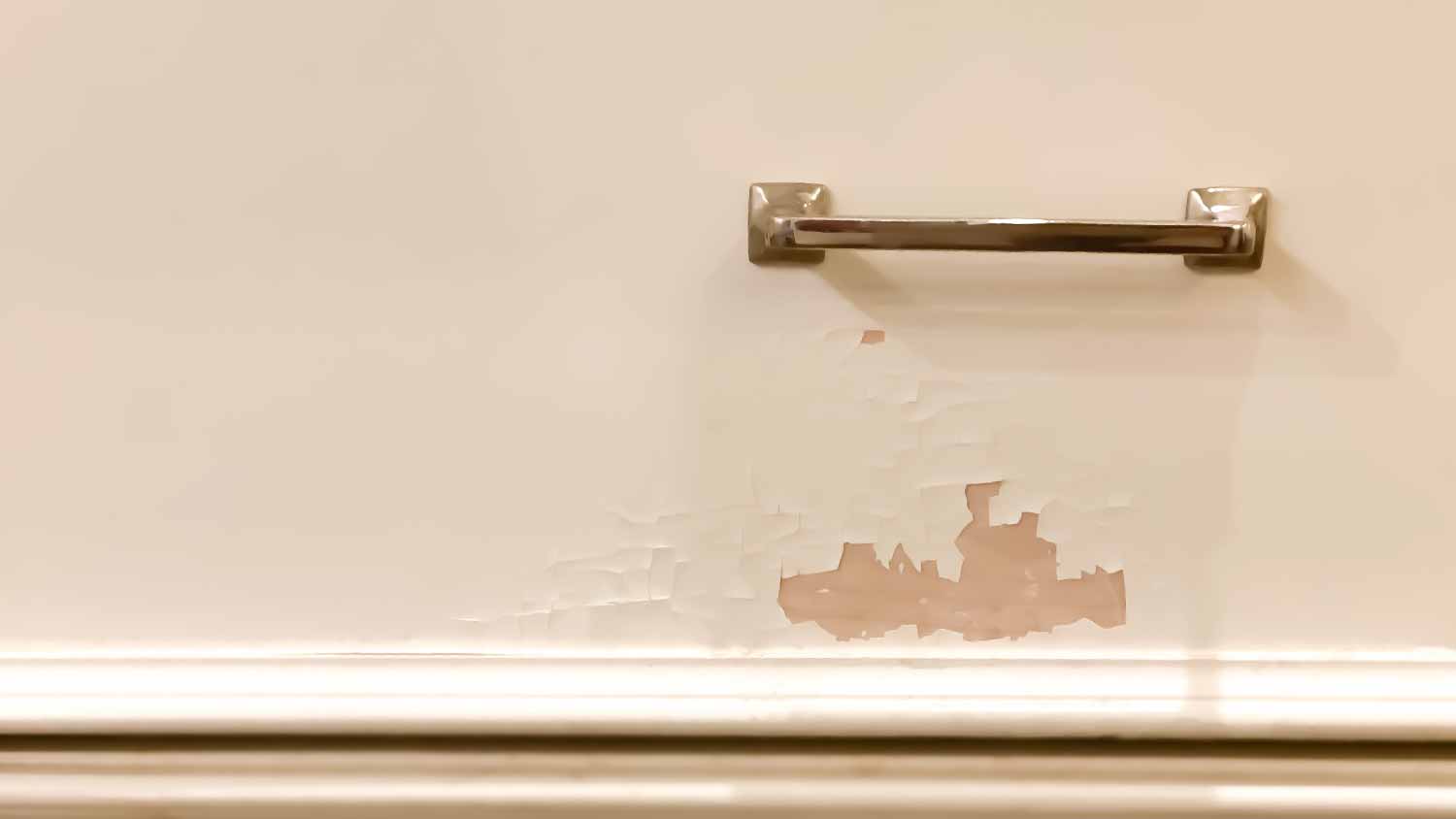
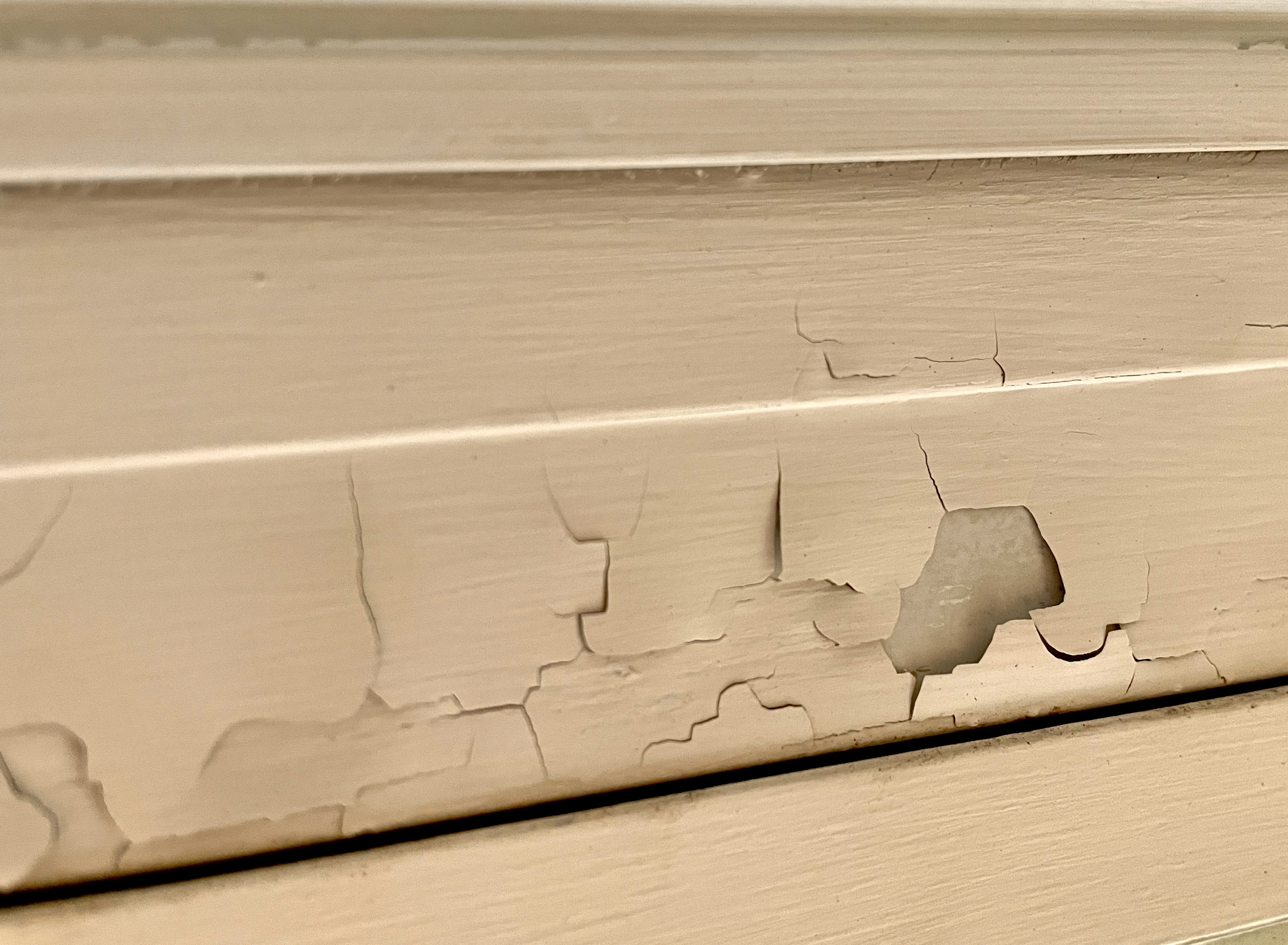
While not all homes built before 1978 contain lead paint, enough do, so you’ll still want to test to be on the safe side. The federal government banned lead-based paint for homes in 1978, but your state may have banned lead before that time. Around 24% of homes built between 1960 and 1977 contained lead-based paint, while 87% of homes built before 1940 contained lead-based paint.

While the EPA provides guidelines for homeowners to perform DIY lead paint removal, it is a risky process and generally not recommended due to serious health risks and strict regulatory requirements. The process requires precise safety precautions, such as wearing a respirator and protective eyeglasses, creating sealed exits, and using a HEPA vacuum for cleanup. To ensure the job is done safely, effectively, and in compliance with regulations, it is highly recommended to hire a professional lead abatement company. Certified professionals have the necessary training, experience, and specialized equipment (like chemical strippers and HEPA vacuums) to handle and dispose of hazardous materials safely.

If your home was built before 1978, there’s a chance that any paint on your hardwood floors could be lead paint—especially if it was already there when you moved in. Because lead is toxic, hiring a licensed pro to remove it is mandatory. The average price for professional lead paint removal ranges from $1,500 to $5,300 and depends on the scope of the project.

With regular testing, treatment, and maintenance, water from a community well should be safe to drink. Unfortunately, the EPA does not regulate private wells, and contamination can happen. 

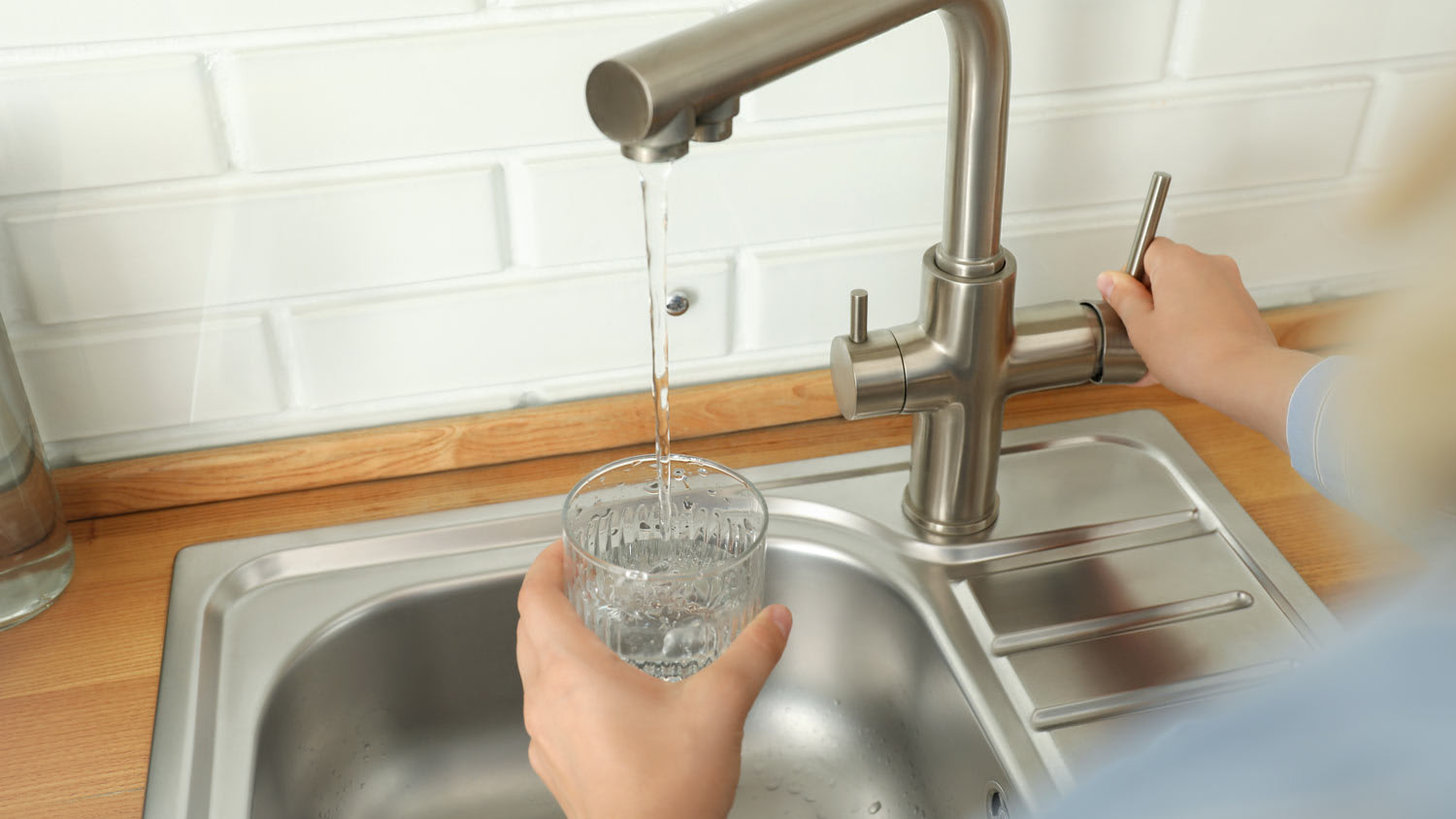
If you have doubts about the quality and safety of your drinking water, you have options for testing. You can pick up kits from your local home supply store or harvest samples and send them to a local testing facility. To get the most complete water quality testing and system diagnosis, seek a local well professional. They know what to test for and can recommend and implement a longer-lasting solution.

According to the Environmental Protection Agency (EPA), hazardous waste is generally classified into four main categories:

1. Characteristic Wastes: These exhibit at least one of four hazardous traits: ignitability (flammable, like gasoline), corrosivity (can rust or decompose materials, like car batteries), reactivity (unstable and can explode, like aerosol cans), or toxicity (harmful when ingested, like lead-based paint).

2. Listed Wastes: These are specific wastes from manufacturing and industrial processes that the EPA has officially designated as hazardous. They include byproducts from processes that use solvents, pesticides, and other chemicals.

3. Universal Wastes: These are commonly generated hazardous items that are subject to streamlined regulations. Examples include batteries, pesticides, mercury-containing equipment (e.g., bulbs), and some lamps.

4. Mixed Wastes: This category includes waste that contains both hazardous and radioactive components, making it subject to regulation by both the EPA and the Nuclear Regulatory Commission.
The Champion, PA homeowners’ guide to lead testing and removal services

From average costs to expert advice, get all the answers you need to get your job done.