






Top-rated deck maintenance specialists.

Get matched with top deck maintenance specialists in Bellefonte, PA

Enter your zip and get matched with up to 5 pros

Need a pro for your deck maintenance project in Bellefonte, PA?

Select your specific project to find the pro for you.

Find Deck maintenance specialists in Bellefonte

Avatar for Harmon's Handyman
Harmon's Handyman
4.8(
6
)
Deck, Fence, Patio or Porch - Clean and Seal

Serving Bellefonte, PA and surrounding areas

Approved

Free estimates

"There were several things that I needed someone to do. Jordan came and took care of everything. His knowledge of how to do things correctly is amazing. He is definitely a jack of all trades. I would recommend Harmon’s Handyman to anyone who needs help getting projects done."
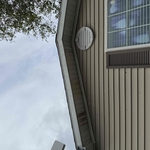
Soffit/fascia repair
Pressure washing
Pressure washing
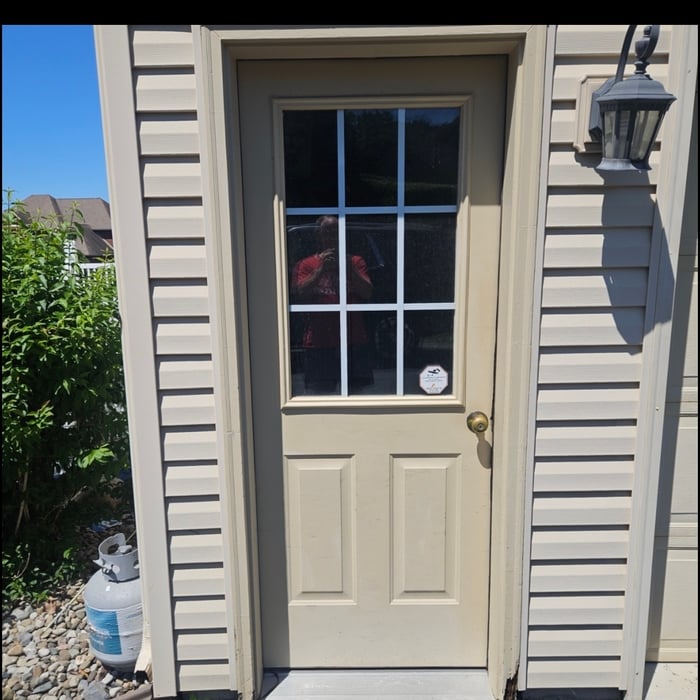
 exterior door trim

+3

9 neighbors recently requested a quote
Avatar for Wolf Brothers Painting, LLC
Wolf Brothers Painting, LLC
4.6(
23
)
Deck, Fence, Patio or Porch - Clean and SealDeck, Fence, Patio or Porch - Clean and Seal - For Business

Serving Bellefonte, PA and surrounding areas

In business since 2014

Free estimates

Small jobs welcome

"Matt painted my living room and kitchen of my new house, and it looks beautiful. I am absolutely, completely satisfied with 95% of it. There are a couple walls, however, with some uneven spots and dripping that looks like that work was rushed at the very end."
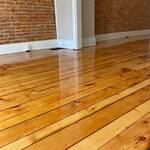
Residential interior
Photo 6
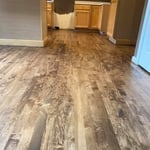
Residential interior

+3

Response time2 days
Recommended by85%of homeowners
Showing 1-10 of 44
Deck Maintenance questions, answered by experts

To flatten a cupped deck board, start by ensuring it’s dry. Then, try flipping the board over so the cupped side faces down and reattach it. If that’s not possible, you can use screws to pull it tighter to the joists or plane the edges slightly to reduce the cup. It’s best to replace severely cupped boards.

When building an outdoor or deck gate, it's crucial to use durable wood that can withstand harsh weather conditions like sunlight, rain, wind, and snow. Redwood and cedar are excellent choices as they naturally resist decay. While redwood is considered more elegant, cedar is a more affordable option. Other suitable woods include oak and pressure-treated pine, which is specifically treated to resist rot. Although some softwoods like pine are popular, untreated softwoods such as pine and spruce should generally be avoided for outdoor projects because they are susceptible to damage from water, rot, and the sun. Ultimately, it's wise to consider your local climate when selecting the right wood for your gate.

Composite decking requires a solid foundation, substructure, or subframe to ensure stability. This base is typically composed of posts, beams, joists, and footings. The frame's joists can be built from various materials like composite, plastic, timber, or metal, as long as the base can support the deck's weight without shifting. A professional deck builder might recommend installing the frame on a solid concrete base for added durability. The final design and materials for the substructure will depend on your budget, the type of deck, and environmental conditions.

Ideally, a gate should be able to swing both in and out. However, if it can only open in one direction, it is generally best for it to swing inward. This is often the safest option, especially for deck gates near steps, as you'll want the gate to swing away from the stairs. An inward swing also prevents the gate from opening into a public space, like a sidewalk, and can be more convenient when carrying heavy items like a wheelbarrow into a garden.

There are exceptions, however. The layout of your property may require a different approach. For example, if your property is on a slope, the gate may not be able to swing inward. You should also ensure the gate can open fully without colliding with any objects or blocking access to other areas. For a backyard garden gate where public access isn't a concern, the direction it swings is largely a matter of personal preference. Finally, always check your local building codes, as they may have specific requirements for which way a gate must swing.

The proper height for a stair riser or deck step is between four and seven inches, with seven inches often considered the most comfortable. Building your stairs to this height ensures a strain-free step position and minimizes the risk of trip and fall injuries. For optimal safety and comfort, especially on deck stairs, a rise of around seven inches should be paired with a tread depth (or run) of at least 10 to 12 inches. While it is possible to design stairs with risers up to 12 inches, this height can be challenging for children, pets, or individuals with mobility issues. Always check with your local building codes, as they may mandate specific dimensions that differ from these general recommendations.

The Bellefonte, PA homeowners’ guide to deck maintenance services

From average costs to expert advice, get all the answers you need to get your job done.