

Get matched with top pool table assembly pros in Armstrong, PA

Armstrong homeowners rate pool table assembly pros in our network

3.9

(59 reviews)

Top-rated pool table assembly pros.

Need a pro for your pool table assembly project in Armstrong, PA?

Select your specific project to find the pro for you.

Find Pool table assembly pros in Armstrong

Avatar for Spartan Building Specialists
Spartan Building Specialists
4.6(
7
)

Serving Armstrong, PA and surrounding areas

In business since 2015

Free estimates

"Extremely responsive and nice, called me back within an hour when other places haven't called back at all. Came out and fixed my issue the same day. Would definitely recommend"
Handicap Bathroom 1
Handicap Bathroom 2
Handicap Bathroom 3
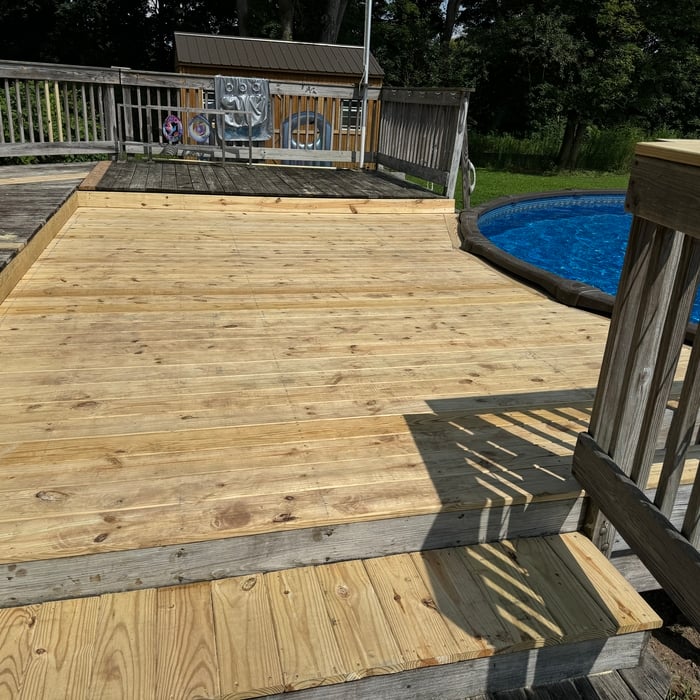
Pavillion
Pavilion

+4

Response time3 days
Recommended by100%of homeowners
Showing 1-10 of 32
Pool Table Assembly questions, answered by experts

You can avoid pool collapse—known as pool pop in an inground pool—if you follow the instructions on how to drain your pool safely. Wait for a temperate, dry day and slowly remove the water with a sump pump, hose, or the attached drains and hydrostatic plugs.

You can build a plunge pool in an 8-by-8-foot space. Many plunge pools are about 8 to 12 feet wide, 2 to 24 feet long, and 4 to 8 feet deep. While these pools are smaller than your average swimming pool, you may want additional space for a deck or patio to surround the plunge pool.

Yes, pool pumps use a significant amount of electricity, making them one of the biggest energy consumers in a home. A pool pump can use up to three times as much electricity as a refrigerator. Typically, a residential pool pump consumes about 1 kilowatt-hour (kWh) for every hour it runs. Because pumps often need to run for about eight hours a day to properly filter the water, this can add up to an annual consumption of 3,000 to 5,000 kWh, which can cost between $480 and $800 per year based on average electricity rates.

The amount of electricity your pump uses depends on its size, energy efficiency, and daily run time. To lower your energy consumption, you can choose an energy-efficient or variable-speed pump, ensure it is correctly sized for your pool, and run it only for the minimum time required to keep the water clean.

If you put too much chlorine in your pool, it can make the pH level more acidic, creating a health risk. You might experience symptoms like nausea, dizziness, vomiting, skin rashes, and irritation in the eyes, nose, throat, and lungs. To lower the chlorine level, you can turn off your chlorinator or chlorine feeder, add more water to dilute the pool, or remove the cover to let sunlight naturally reduce the chlorine.

Your aboveground pool might technically be able to stand without water, but you shouldn't consider it stable. Aboveground pools need the weight of water to provide adequate stability and prevent the walls from collapsing in. Be sure to fill your pool with water as soon as possible after installation.

The Armstrong, PA homeowners’ guide to pool table assembly services

From average costs to expert advice, get all the answers you need to get your job done.