






Top-rated pool table assembly pros.

Get matched with top pool table assembly pros in Jersey Shore, PA

Enter your zip and get matched with up to 5 pros

Need a pro for your pool table assembly project in Jersey Shore, PA?

Select your specific project to find the pro for you.

Find Pool table assembly pros in Jersey Shore

John's Small Jobs Services
3.2(
45
)
Handyman for Multiple Small Projects

Serving Jersey Shore, PA and surrounding areas

Approved

In business since 2017

Free estimates

Customers say: Quick response

"John and his team have been great to work with. They are helping us on a multiple-property project and have been fair priced, extremely communicative, and reliable across several workstreams including drywall, electrical, tear-outs, decking, and general contracting work."
Response time1 day
Response rate90%
137 neighbors recently requested a quote
Avatar for Spartan Building Specialists
Spartan Building Specialists
4.6(
7
)
Handyman for Multiple Small Projects

Serving Jersey Shore, PA and surrounding areas

In business since 2015

Free estimates

"Extremely responsive and nice, called me back within an hour when other places haven't called back at all. Came out and fixed my issue the same day. Would definitely recommend"
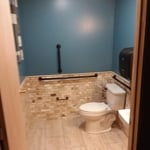
Handicap Bathroom 1
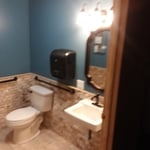
Handicap Bathroom 2
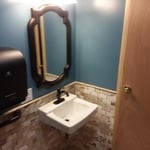
Handicap Bathroom 3
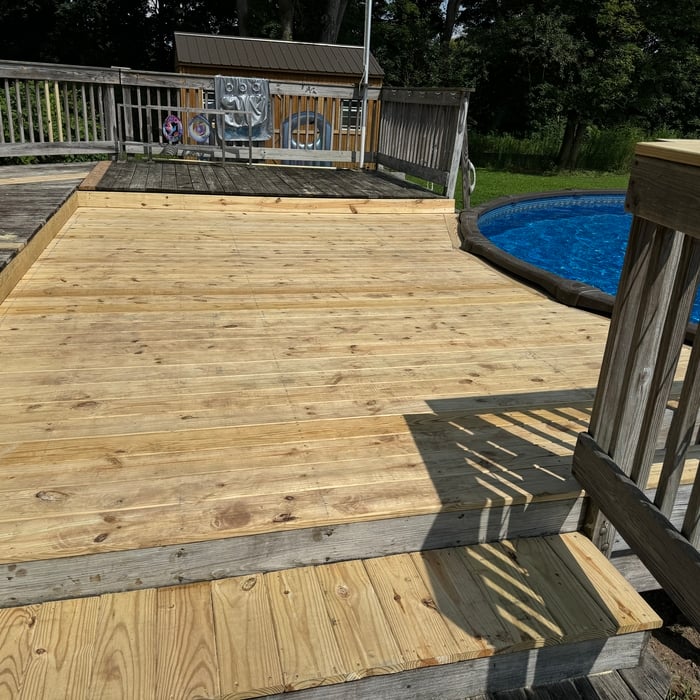
Pavillion
Pavilion

+4

Response time3 days
Recommended by100%of homeowners
Showing 1-10 of 34
Pool Table Assembly questions, answered by experts

You can build a plunge pool in an 8-by-8-foot space. Many plunge pools are about 8 to 12 feet wide, 2 to 24 feet long, and 4 to 8 feet deep. While these pools are smaller than your average swimming pool, you may want additional space for a deck or patio to surround the plunge pool.

It’s okay to leave a pool pump on 24-7. In fact, running it continuously has big upsides, including consistently distributing chemicals, keeping a steady pool temperature, preventing algae growth, and keeping pool water clean. However, there is a tradeoff—operating a pool pump around the clock increases energy costs and can take a toll on the pump’s longevity. If you want to run your pool pump all the time, invest in energy-saving equipment like a variable-speed pump.

Yes, pool pumps use a significant amount of electricity, making them one of the biggest energy consumers in a home. A pool pump can use up to three times as much electricity as a refrigerator. Typically, a residential pool pump consumes about 1 kilowatt-hour (kWh) for every hour it runs. Because pumps often need to run for about eight hours a day to properly filter the water, this can add up to an annual consumption of 3,000 to 5,000 kWh, which can cost between $480 and $800 per year based on average electricity rates.

The amount of electricity your pump uses depends on its size, energy efficiency, and daily run time. To lower your energy consumption, you can choose an energy-efficient or variable-speed pump, ensure it is correctly sized for your pool, and run it only for the minimum time required to keep the water clean.

The type of sand you need for your sand filter depends on the manufacturer’s instructions, but you’ll need to use sand specifically for pool filters. Silica sand is a wallet-friendly, common choice that’s relatively easy to replace. You’ll choose between various grades of sand and different-sized sand grains.

Swim spas are like hybrid hot tubs and pools. They have the heating and jets of a hot tub, but they’re slightly longer because they’re made for swimming and exercise. A jet provides a continuous current that acts like a water treadmill. You can swim the length of a full-size pool without going anywhere.

The Jersey Shore, PA homeowners’ guide to pool table assembly services

From average costs to expert advice, get all the answers you need to get your job done.