


Top-rated lead testing and removal specialists.

Get matched with top lead testing and removal specialists in Mill City, OR

Enter your zip and get matched with up to 5 pros

Need a pro for your lead testing and removal project in Mill City, OR?

Select your specific project to find the pro for you.

Find Lead testing and removal specialists in Mill City

Avatar for JBC Group Solutions Inc
JBC Group Solutions Inc
4.0(
4
)
Toxic Lead - AbatementToxic Lead - Testing

Serving Mill City, OR and surrounding areas

In business since 2007

Emergency services offered

"They did a real good job. They were real professional. We can now open the garage door from the inside of the house and now it is so smooth that we have to check to see if we hit the button to open it or close it.  Before we used to know when it was opening or closing because it used to make a noise. It helps when you move to a city where you are new. "
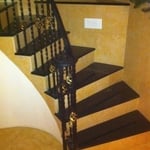
Custom Staircases
Custom Exterior Restoration
Custom Bathrooms
Recommended by75%of homeowners

Avatar for The Mold Consultants
The Mold Consultants
New to Angi
Toxic Lead - Testing

Serving Mill City, OR and surrounding areas

In business since 2002

Have An Indoor Air Quality Problem? \n\n Got Mold? \n\n Worried About Bacteria?\n\n Concerned About Radon, Carbon Monoxide, Asbestos, Lead, or \n Another Indoor Air Contaminant/Pollutant?\n\n We Are The Safe and Affordable Solution to Your Indoor Air Quality Problem.\n\nThe Mold Consultants specializes in toxic mold, bacterial, environmental, hazardous, pollutant, and contaminant testing and inspection services. We provide state of the art testing for commercial and residential clients who expect accurate, thorough and understandable testing and reporting services. We are the safe and affordable solution to your indoor air quality problems. \n\nHow The Mold Consultants will help you....\n\n* You will find out if you have an indoor air quality problem and why you have it.\n* You will learn how extensive your indoor air quality problem is.\n* You will understand exactly what types of pollutants, contaminants, mold, and bacteria you have in your home.\n* You will receive a detailed plan to clean up the pollutant, contaminant, mold, or bacteria yourself, or you can use the plan to solicit competitive bids from contractors.\n* You will find our indoor air quality testing and assessment services affordable.\n* You will receive piece of mind that the air in your home is safe!\n\nLeft untreated a mold, bacteria, or pollutant problem only gets worse and continues to negatively effect you and family.\n\nCall us today!!!!

Lead Testing and Removal questions, answered by experts

No. Standard homeowners insurance does not cover any kind of lead remediation, focusing instead on sudden, unpreventable events like fires and theft. Many insurance companies will specifically exclude lead paint removal, since it tends to be an expensive and unavoidable project. The exception is if the lead surface is damaged during a covered event (like a flood) and homeowners insurance pays its replacement.

You can paint over lead paint, or “encapsulate” it with a special paint that includes an ingredient called an encapsulant. The EPA approves encapsulation as a lead paint removal method as long as the paint remains undisturbed. Standard types of paint without an “encapsulant” from the big box stores or hardware stores do not meet EPA standards for remediation of lead-based paint.

Lead testing in residential properties involves collecting samples from paint, dust, soil, or plumbing and analyzing them in certified laboratories to accurately identify lead levels.

You can sell a house with lead paint, but there are several requirements. If you are aware that lead paint exists anywhere in the home, you must disclose that to potential buyers. Required home inspections will often uncover lead paint, especially for older houses where lead paint may still be a problem. If you have taken steps to encapsulate lead, you should provide buyers with full documentation of the project so it won’t cause any problems later on.

According to the Environmental Protection Agency (EPA), hazardous waste is generally classified into four main categories:

1. Characteristic Wastes: These exhibit at least one of four hazardous traits: ignitability (flammable, like gasoline), corrosivity (can rust or decompose materials, like car batteries), reactivity (unstable and can explode, like aerosol cans), or toxicity (harmful when ingested, like lead-based paint).

2. Listed Wastes: These are specific wastes from manufacturing and industrial processes that the EPA has officially designated as hazardous. They include byproducts from processes that use solvents, pesticides, and other chemicals.

3. Universal Wastes: These are commonly generated hazardous items that are subject to streamlined regulations. Examples include batteries, pesticides, mercury-containing equipment (e.g., bulbs), and some lamps.

4. Mixed Wastes: This category includes waste that contains both hazardous and radioactive components, making it subject to regulation by both the EPA and the Nuclear Regulatory Commission.

The Mill City, OR homeowners’ guide to lead testing and removal services

From average costs to expert advice, get all the answers you need to get your job done.