
Top-rated excavation pros.

Get matched with top excavation pros in Burns, OR

Enter your zip and get matched with up to 5 pros

Need a pro for your excavation project in Burns, OR?

Select your specific project to find the pro for you.

Find Excavation pros in Burns

Avatar for JBC Group Solutions Inc
JBC Group Solutions Inc
4.0(
4
)
Building Site - Preparation and ClearingBuilding Site - Preparation and Clearing - For BusinessExcavation - Major Grading or Resloping+2 more

Serving Burns, OR and surrounding areas

In business since 2007

Emergency services offered

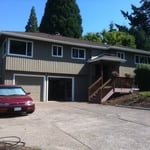
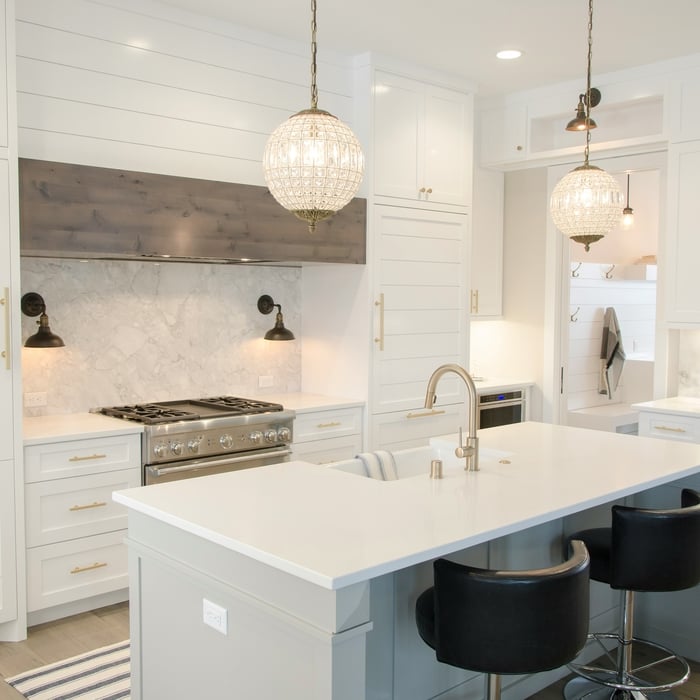
"I have been using them for 3 years for multiple projects and would not go to somebody else. They also built a cabin in the woods. It was built 10 miles from the road so it was like carrying all the stuff up the path. They also did the garage and remodeling of the house, mostly kitchen and a little bit of plumbing work in the bathroom. I am still using them and I would be using them for the next thing that will be coming up too."
Custom Staircases
Custom Exterior Restoration
Custom Bathrooms
Recommended by75%of homeowners
Excavating questions, answered by experts

Hardscaping often requires preparation of the ground in the area where the feature is being installed. This can include digging, compacting, and leveling the soil, ensuring adequate drainage, and removing any existing plants. The extent of preparation needed will depend on the type and size of the hardscaping feature being installed.

As a general rule, the protected area should be about 1½ times as wide as the canopy of the tree’s leaves. This digging measurement can vary by tree species and the age of the tree. Of course, that can be a lot of fencing for larger trees, which is why our first step is about making difficult decisions on which trees to save.

Water lines are buried at various depths, depending on the type of line. For example, most sprinkler lines are buried between four and 12 inches underground. On the other hand, water mains usually sit between one and 3 feet below ground. However, they can go even deeper in cold climates to prevent freezing.

Trenching and boring are two distinct methods for installing underground utilities. Trenching involves digging a channel using equipment like an excavator, trencher, backhoe, or shovel. While it is a simpler process, it causes significant disruption to the surface, landscaping, and surrounding ecosystems.

Boring, also known as directional boring, is a less invasive alternative that uses a drill to create a tunnel for utility lines without disturbing the surface. This method is more precise and is ideal for installations that need to go underneath buildings, roads, or bodies of water. Although boring is less disruptive, it is generally more expensive than trenching.

There are many ways to cut through roots when digging, especially if your trencher doesn’t seem to be removing the roots. First, use a shovel to expose the roots. Then, use gardening shears to clear out smaller roots or a reciprocating saw to remove larger plant roots. If you plan on keeping the plant, avoid cutting any roots over 2 inches thick.

The Burns, OR homeowners’ guide to excavation services

From average costs to expert advice, get all the answers you need to get your job done.