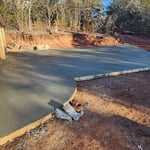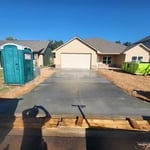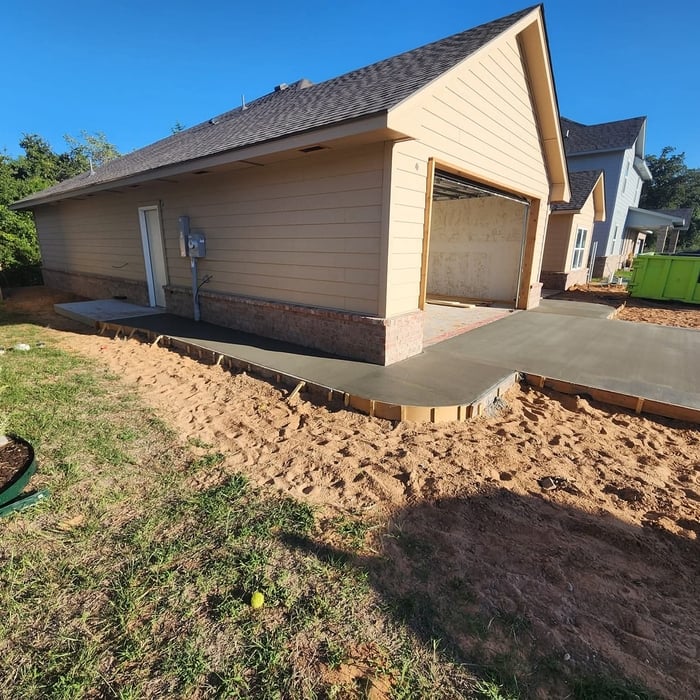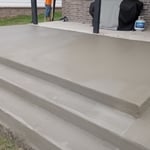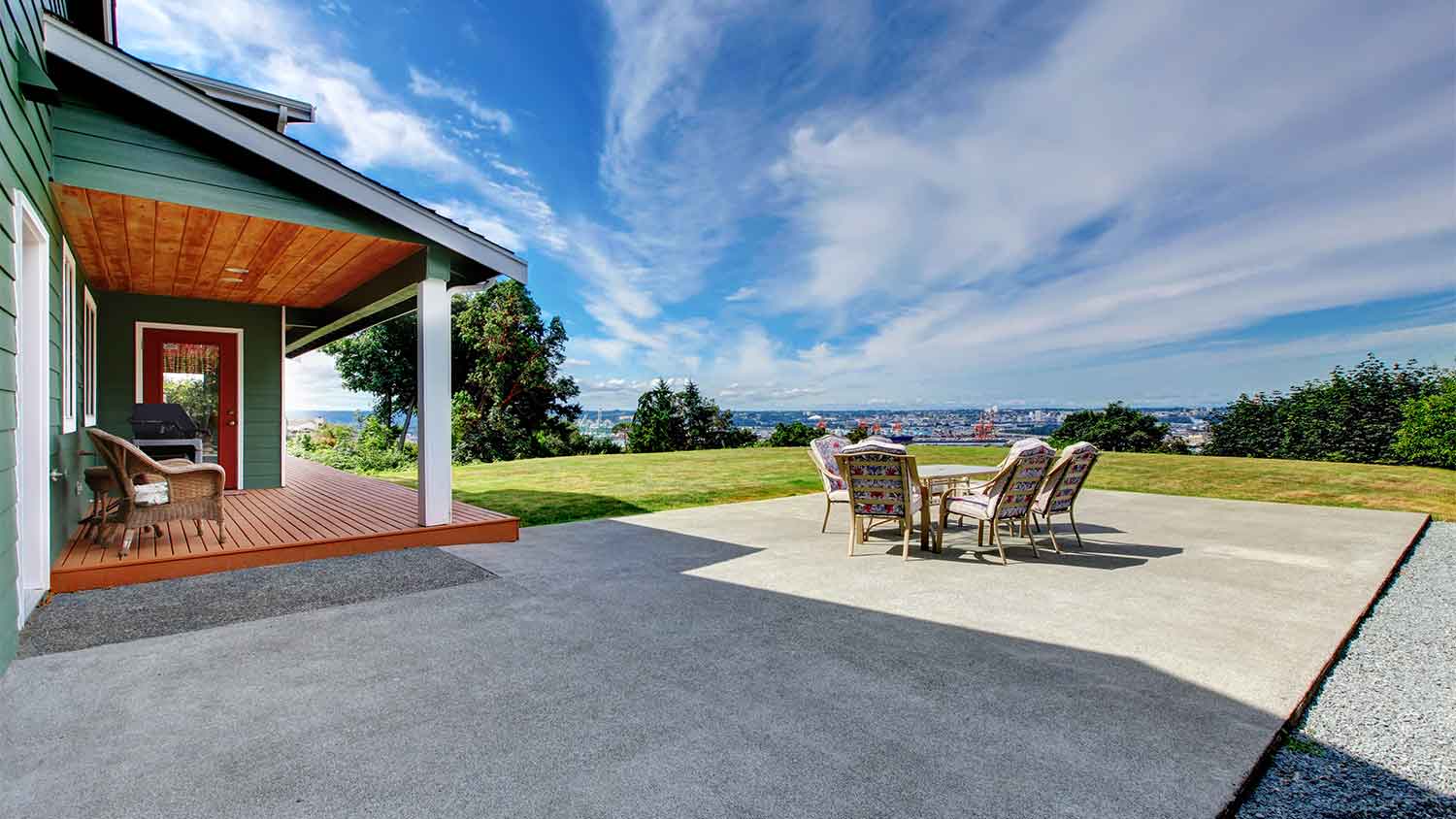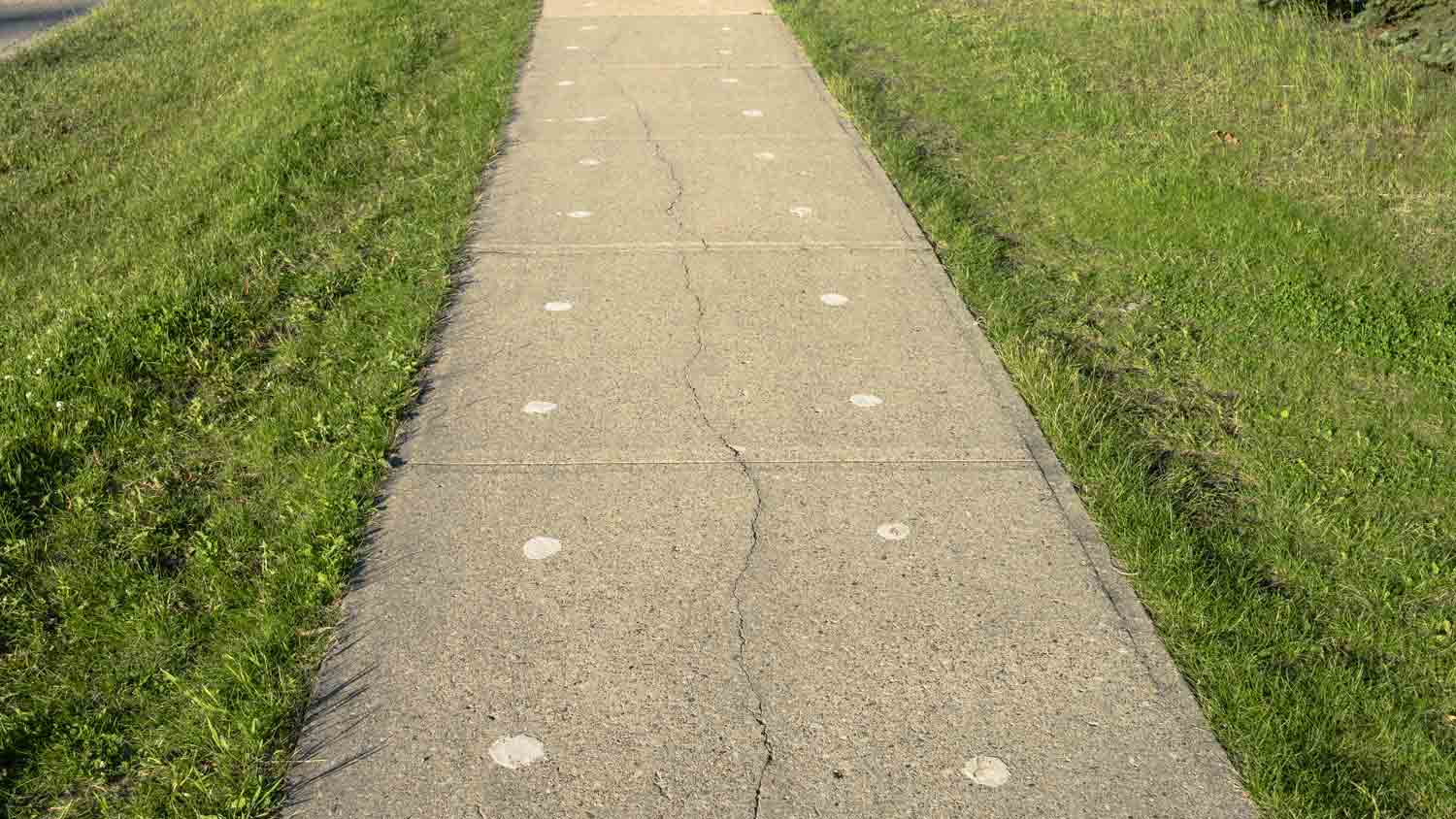

"Couldn't be happier with the results, but the best part of the experience is all the amazing, hard-working, highly dedicated and profesisonal people who work for this company. We have an older home (1984 build) with a very large open, back patio. Water erosion and tree roots had wrecked havoc on the concrete causing joint erosion, extensibe wide cracks, shifting and lift. I didn't want to jack it all up and go to the expense of re-pouring and hoped this would be a smart solution. Joe, Kaly and Mark worked an absolute miracle and the results are exactly what I was hoping for. Their approach was thorough and meticulous and I knew from the get-go I was in good hands. I highly recommend you turn to them for all your concrete repair solutions and I won't hesitate to refer my clients to them in the future. You won't regret it!"
Hello, My name is Austin Rodgers. I own Dunamis Concrete LLC. I have been doing commercial and residential concrete for 20 years. I specialize in driveways, patios, curb and gutter stem walls, retaining walls, concrete foundations. We are licensed and bonded.\nWe uphold meticulous standards and unprecedented communication. It is my job from the beginning to the end of the project to make the customer feel secure and have every understanding of the project as it develops. We offer second to none quality.\nAnd professionalism. You will not be disappointed.
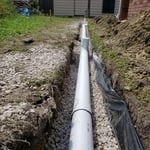
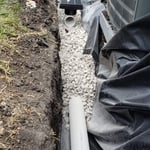
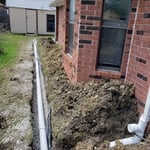
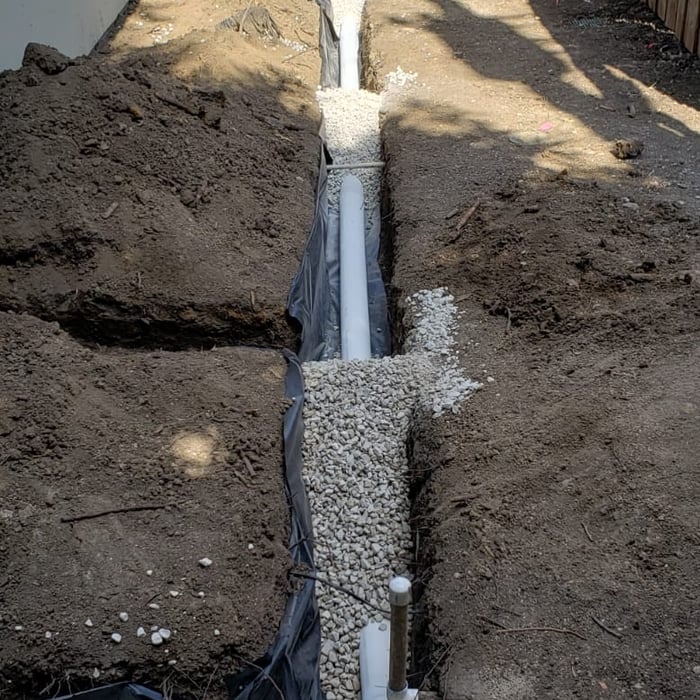
"We had him work on our deck (3 decks) and they were ok. spilled and splashed deck stain on brick steps, vinly siding etc. Almost impossible to remove. On foundation and drainage away from home, his company is somewhat better, but we had to loan our wheelbarrow and tools to workers who forgot to bring them one workday. Tommy Long is reliable, but did overcharge us, which he is now paying back. Would recommend Tommy Long.........because he tries really hard."
"I'm one of the first people to review this business! Naturally, because of that, I was somewhat skeptical about if I should hire Joey and his crew. I'm really glad that I did. Joey did great work to hand mix and pour a small concrete pad for a greenhouse in my backyard. He was easy to work with, reasonably priced, prompt, and cleaned up when he was finished. He helped me make some decisions for the placement, and even gave me some advice about how we could cut the cost down on the project. He even threw in a little extra repair to a brick I had that was falling out of a retaining wall close to the site where he was working on my main project. Give these guys a chance, and they'll do great work for you!"
"They were outstanding. They showed up when they said they would. They had all the materials. They finished the job as scheduled. They cleaned up their work site."
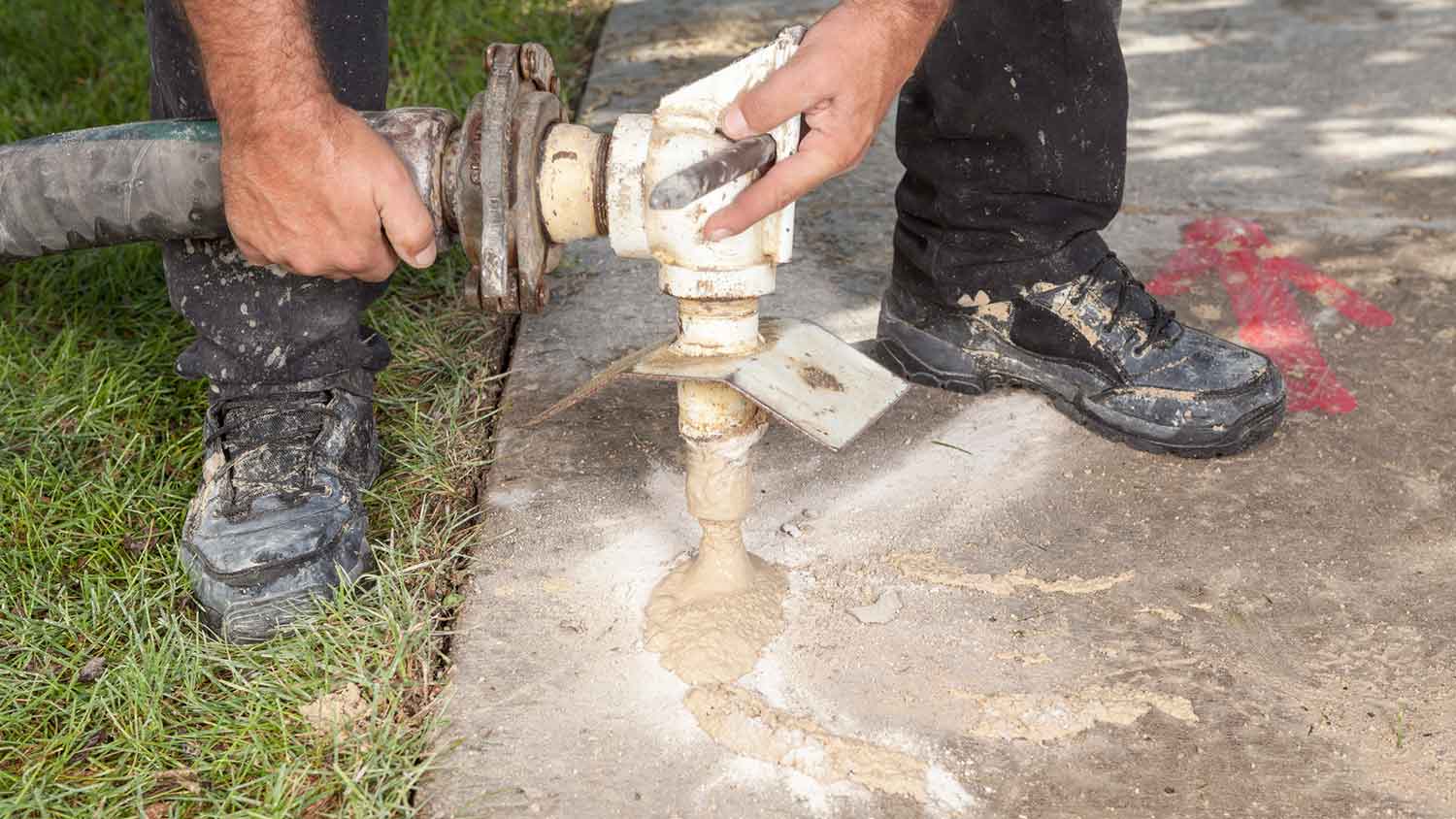
Concrete Mudjacking questions, answered by experts
Polyjacking and mudjacking can both be effective solutions for sinking concrete, but they have key differences. Polyjacking, which uses expanding polyurethane foam, is often considered a better option because the foam is significantly lighter than the cementitious material used for mudjacking. This reduced weight puts less pressure on the underlying soil and lowers the risk of future sinking. Polyjacking is suitable for any sinking concrete slab, while mudjacking is typically only recommended for non-structural concrete, such as sidewalks, patios, pool decks, and driveways. The primary drawback of polyjacking is its cost, which can be up to four times higher than mudjacking—as much as $25 per square foot compared to a maximum of about $6 per square foot for mudjacking.
Generally speaking, push piers—or steel piers—are the best option for underpinning, as they reach down to solid bedrock to find support for your foundation rather than relying on soil, which could be subject to the same issues as the soil directly below your foundation. However, the best underpinning method for your home depends on your location, how far down the bedrock is, and the type of soil in your area. Helical piers are usually the best option for sandy soil or in areas where the bedrock is too deep to use steel piers.
There is no real alternative to underpinning, although mudjacking and polyjacking are other repair methods that can add support from underneath your foundation. Rather than placing supportive piers under your structure, these involve pumping a material under your slab to lift a sunken section back into its original position. Polyjacking, in particular, is sometimes a suitable solution for stabilization issues under slab foundations, but underpinning is often accepted as the best and most permanent solution.
On average, a mudjacking repair lasts between five and 10 years, though it can sometimes last for well beyond a decade under ideal conditions. Its longevity depends heavily on several factors, including the condition of the underlying soil, environmental conditions like freeze/thaw cycles and erosion, and whether the root cause of the sinking, such as drainage issues, is resolved. Because it doesn't always fix the underlying problem of loose soil, mudjacking is often considered a temporary solution. Proper maintenance and evaluation can help extend its lifespan.
Mudjacking is your best bet for leveling concrete on a tighter budget. It’s less expensive than foam or grout mixture. For smaller, surface-level issues, you could also use a self-leveling compound, which creates an even surface over existing concrete—it’s a budget-friendly option suitable for DIY enthusiasts.
The Stratford, OK homeowners’ guide to concrete mudjacking services
From average costs to expert advice, get all the answers you need to get your job done.
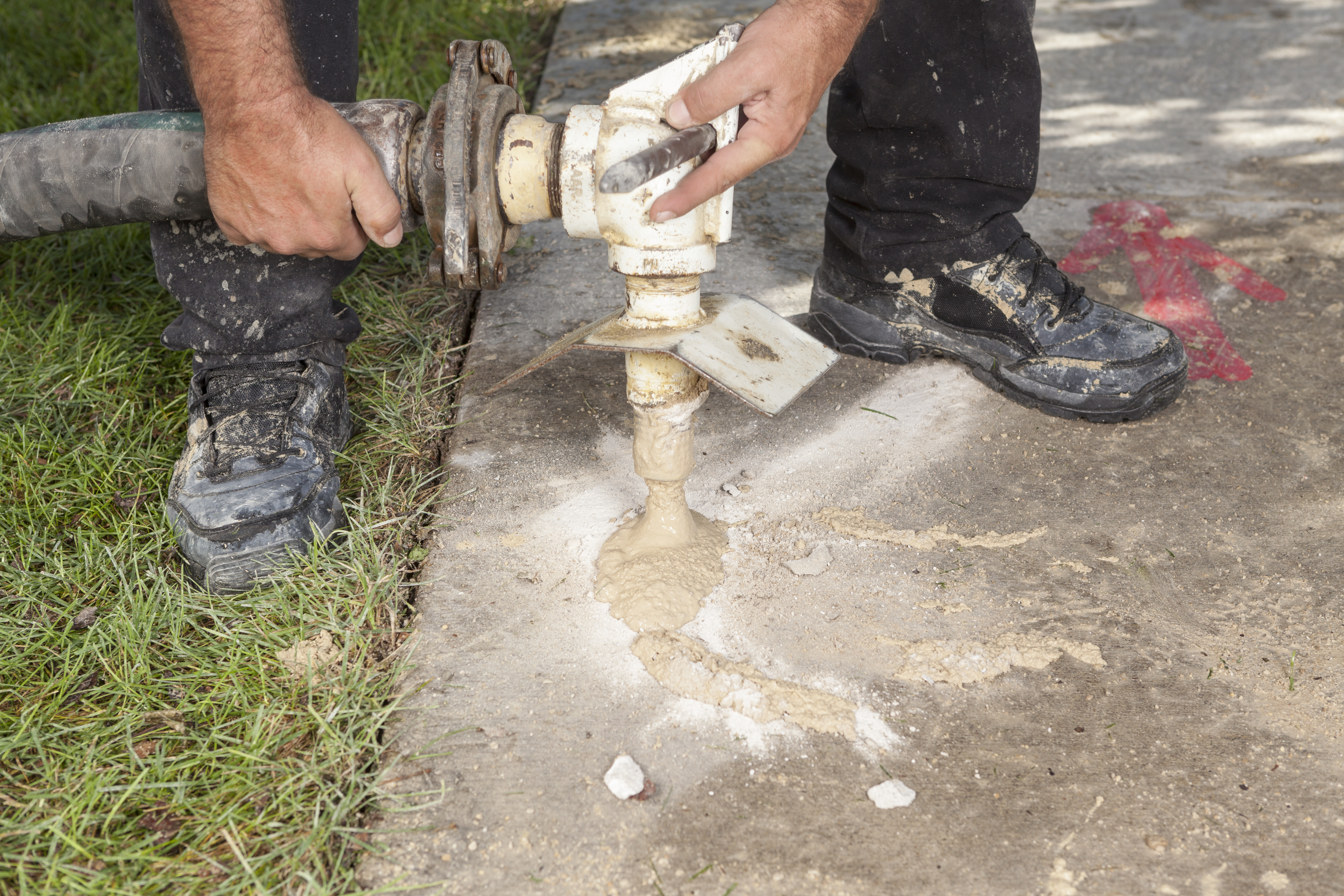
DIY mudjacking is an advanced task, but learning how to raise a concrete slab is great to know for many scenarios. Let's take a look at how to DIY mudjack.
Sunken concrete can be a structural issue, but a professional can easily repair it. Ask these concrete injection leveling and mudjacking questions before you hire.