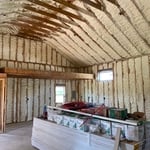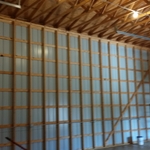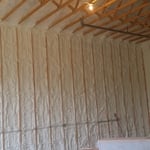



Rigid foam board insulation is one of the safest insulation materials for basement walls. The panels offer a moisture barrier to prevent mold and mildew build-up. At the same time, this material is also fire-resistant, so you don’t have to worry as much about a fire breaking out as you would with spray foam insulation.
Yes, covering exposed wires is necessary for several important reasons. Exposed electrical wires pose significant risks, such as electrical shocks, fires, short circuits, and potential damage to your home’s electrical system. By properly insulating and protecting the wires, you can minimize the potential for accidents, prevent electrical fires, and ensure your electrical system stays intact.
If you need to insulate behind finished walls, the best option will likely be to have an insulation professional install blown-in insulation. The installation requires small holes cut in your wall, after which the installer can blow loose-fill insulation into the void. After the installation, you’ll have minor drywall patching, which shouldn’t cost more than $100. Compared to ripping down the existing drywall, using a different type of insulation, and replacing and finishing the drywall, this should save you hundreds or even thousands, depending on the size of the room you’re insulating.
Yes, exposure to fiberglass insulation can cause harm to your skin and eyes. However, this typically refers to the fiberglass insulation that is mostly used in walls and attics. Fiberglass doors don’t pose risks for fiberglass exposure because they're fully encased in polymer cladding.
The R-value is a rating that measures an insulation's thermal resistance—in other words, how well it insulates. A higher R-value provides more protection for your pipes, and all pipe insulation materials should have an R-value listed on the product description or label. Each insulation type has its own R-value, which typically falls between one and five for most pipe insulation. When making a selection, Energy.gov recommends choosing a pipe wrap that is at least one inch thick, and the International Code Council (ICC) suggests choosing a material with an R-value of at least 3.
The Paden, OK homeowners’ guide to insulation services
From average costs to expert advice, get all the answers you need to get your job done.
Insulating your attic can massively improve your home’s efficiency and reduce electric bills. Use this guide to find out what attic insulation will cost you.
The cost of blown-in insulation costs varies depending on the type of insulation, labor, prep work, and more. Learn more about the cost factors in this guide.
Read our step-by-step guide and learn how to remove fiberglass insulation. Our instructions will help you remove this tricky material quickly and safely.
Learn how to decide if your home needs dryer vent insulation to protect your vent from drafts and moisture that can make your energy usage less efficient. Poorly ventilated dryer vents also increase mold risks!