




Top-rated electricians.

Get matched with top electricians in Oilton, OK

Enter your zip and get matched with up to 5 pros

Need a pro for your electrical service project in Oilton, OK?

Select your specific project to find the pro for you.

TRUSTED BY OILTON, OK HOMEOWNERS

  • Average homeowner rating star icon4.4
    Average homeowner rating
  • Verified reviews icon40
    Verified electrical services reviews

Find Electricians in Oilton

Avatar for Corrigan, LLC
Corrigan, LLC
4.8(
25
)

Serving Oilton, OK and surrounding areas

Approved

In business since 1954

Free estimates

Emergency services offered

J Corrigan Lightning Rods Has been in business for over 50 plus years. We specialize in all your lighting rod needs. We also provide high quality customer service. We do service in the states of Texas, Colorado, Louisiana, Oklahoma, Mississippi and Alabama. Please give us a call today.

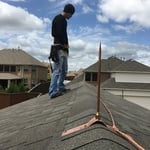
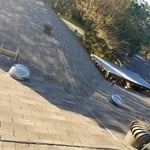
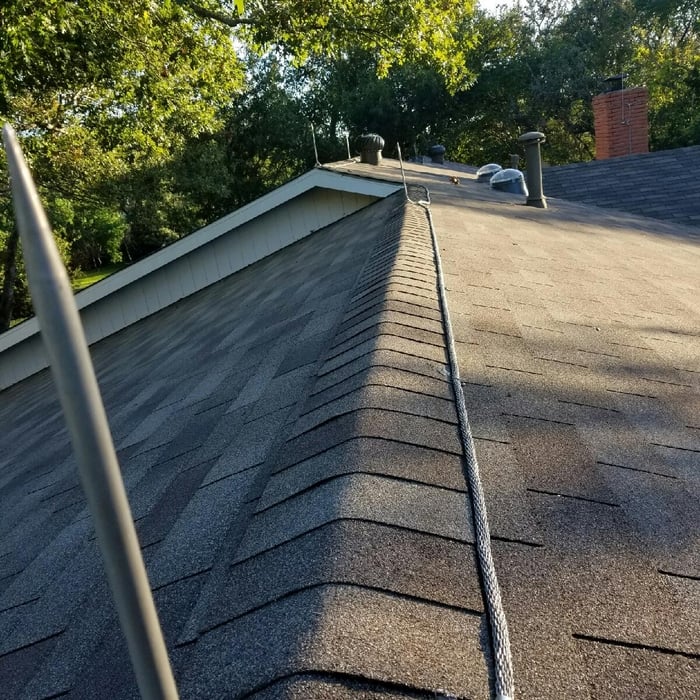
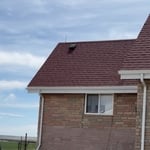
Shingle roof air terminal
Residential 1
Residential Spanish tile
Horse stable
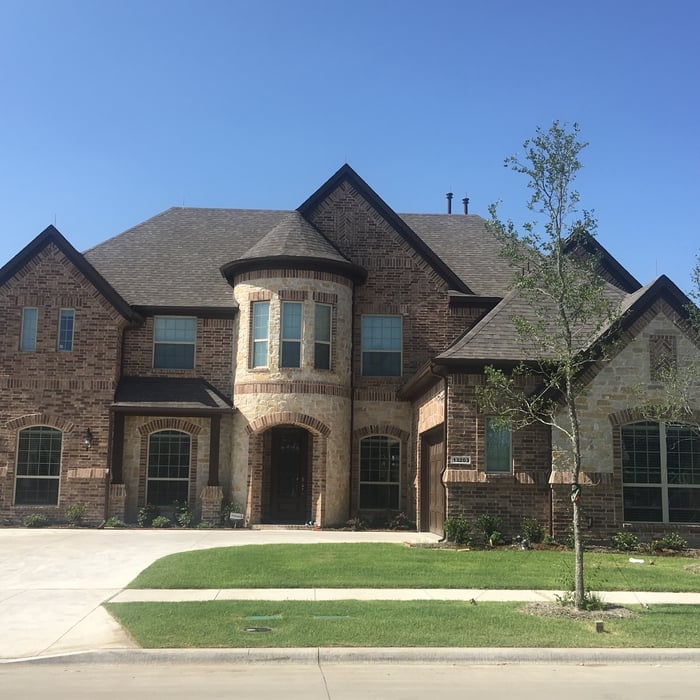
Residential 2

+23

Response time2 days
15 neighbors recently requested a quote
Recommended by100%of homeowners

Llenray Install LLC
4.0(
1
)

Serving Oilton, OK and surrounding areas

Approved

Free estimates

We are a locally owned and operated company that values honesty and integrity and treats your home as if it were our own. We offer a variety of General Contractor services that are customizable to each individual project. You will find us to be competitively priced, paying close attention to the details of each and every project that we are involved with. We look forward to building lasting relationships and guarantee your satisfaction!\n

11 neighbors recently requested a quote
...
Showing 1-10 of 83
Electrical questions, answered by experts

Yes, but our analogy with the water hose doesn’t really work here. You see, electrical flow isn’t constant: It ebbs and flows like waves, coming in pulses of power. Hertz measures the rate of change in the flow of electricity, or how often it ebbs and flows. For example, 60Hz means that the electrons pulse through wiring 60 times per second. When they are pulsing, they’re in a brief retreat. Almost all United States equipment is rated for 60Hz.

A 3-prong, 15-amp, 120-volt outlet is standard in the U.S. These have two vertical slots and a U-shaped grounding hole, which suits most home electronics, from televisions to microwaves. Three-pronged outlets are safer than 2-pronged ones, as the third wire, known as the grounding wire, helps prevent shocks and electrical fires.

While most electrical items can be plugged into a GFCI outlet, some appliances with internal or stationary motors, such as refrigerators, vent fans, and fluorescent lighting, can cause nuisance tripping. This happens because they experience a small, normal amount of current leakage, which can cause the GFCI to trip even when the appliance is working correctly. Although this is not a safety hazard, it can be inconvenient and may cause the GFCI outlet to wear out faster. For this reason, it is often better to plug these types of appliances into a standard outlet. Additionally, electrical circuits over 100 feet long can sometimes cause tripping. Some appliances, like hair dryers, have their own built-in GFCI protection, so connecting them to a standard outlet is fine.

Yes, tamper-resistant outlets are a safe and effective way to protect children from electrical hazards. They feature a spring-loaded shutter that blocks the outlet slots when not in use, preventing a child from inserting foreign objects. While they are the safest option available, it's important to note that few things can be considered truly 'childproof.' Children may still try to imitate adults by inserting a plug, so constant supervision around any electrical device is recommended. Tamper-resistant outlets are a much safer solution than childproofing covers, which can be removed by children and may pose a choking hazard.

The cost to install or replace a circuit breaker depends on the price of the unit itself and the complexity of the installation. A new circuit breaker typically costs between $10 and $100, with standard breakers being the most affordable and GFCI or AFCI types costing more. If you are upgrading to a higher amperage, a 200-amp circuit breaker can cost between $250 and $350. The average total cost for professional installation is around $700, but this price varies. A simple replacement into existing wiring will cost less than a more complex project that requires opening walls, running new wires, and securing permits.

The Oilton, OK homeowners’ guide to electrical services

From average costs to expert advice, get all the answers you need to get your job done.