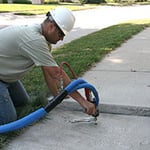
"A very good and positive experience. Employees Omar and Jumon were very friendly, courteous, and professional. The leveling of my concrete which had a 1? crack and a 1.5? drop is now level as are all the slabs that needed correction, which was every section around my pool. All the cracks and dividers are now sealed as well. The employees worked steady from the minute they arrived until they finished. They well know their job and how to do it correctly. The cost was cheaper than replacing the small damaged concrete area. I highly recommend Groundworks.. They have the right employees, right service, and the right product."
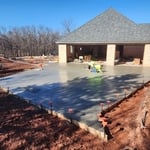
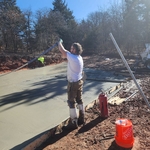
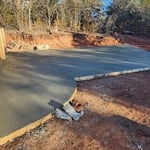
Hello, My name is Austin Rodgers. I own Dunamis Concrete LLC. I have been doing commercial and residential concrete for 20 years. I specialize in driveways, patios, curb and gutter stem walls, retaining walls, concrete foundations. We are licensed and bonded.\nWe uphold meticulous standards and unprecedented communication. It is my job from the beginning to the end of the project to make the customer feel secure and have every understanding of the project as it develops. We offer second to none quality.\nAnd professionalism. You will not be disappointed.
"The service was great and professional. I highly recommend Vesta Foundation Solutions because they did what they promised in the time they committed and for the price they promised."
Concrete Mudjacking questions, answered by experts
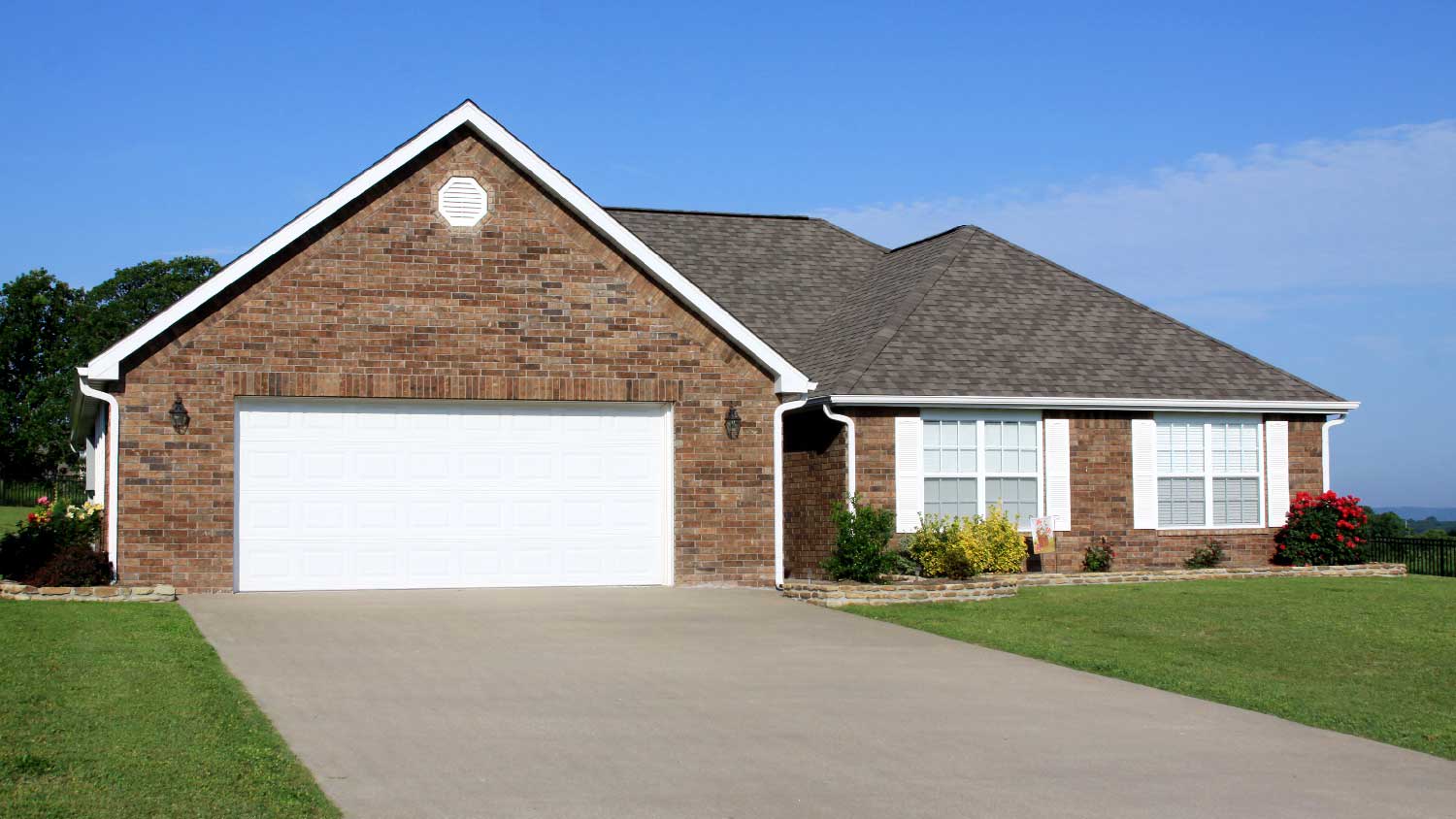
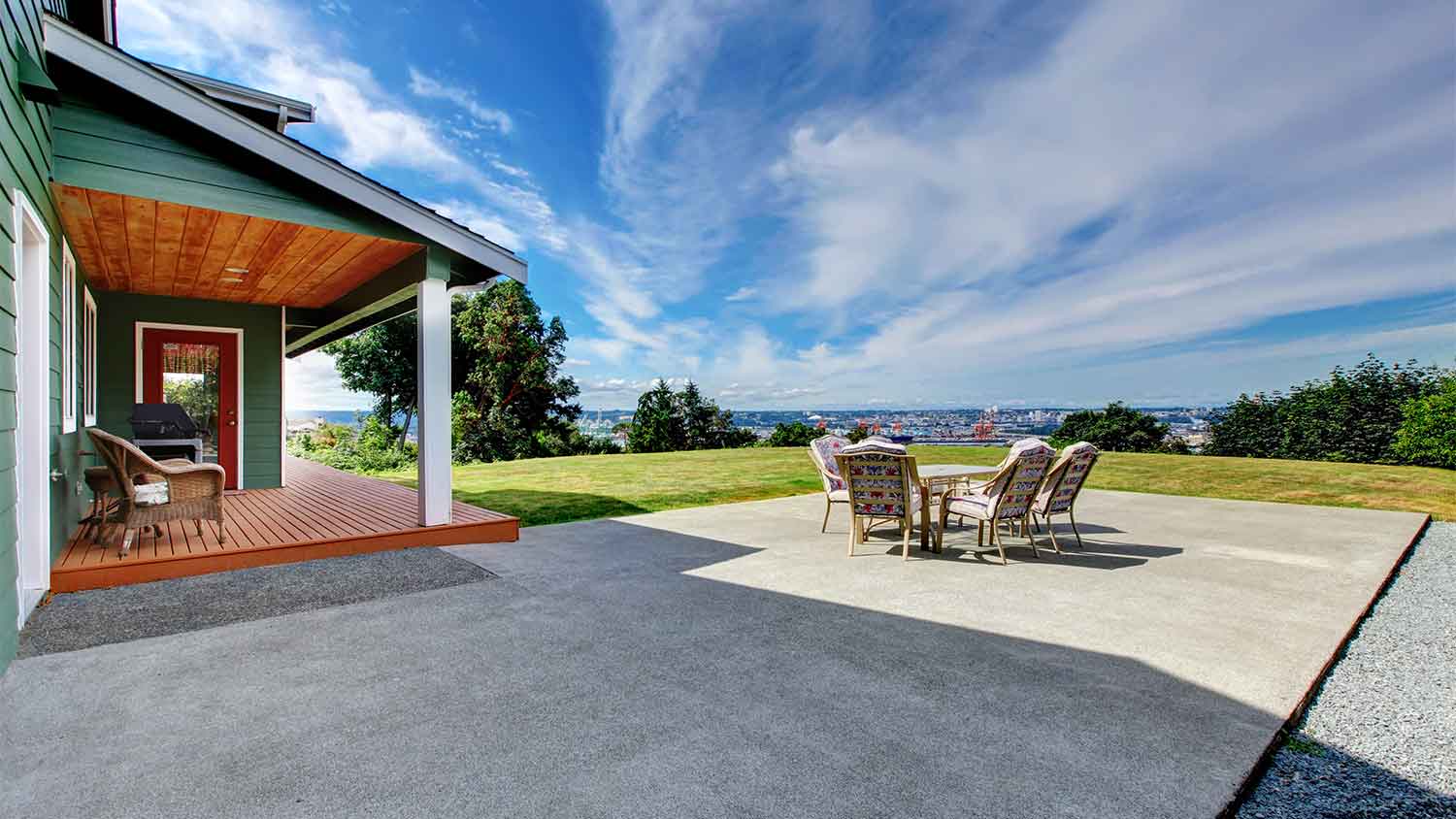
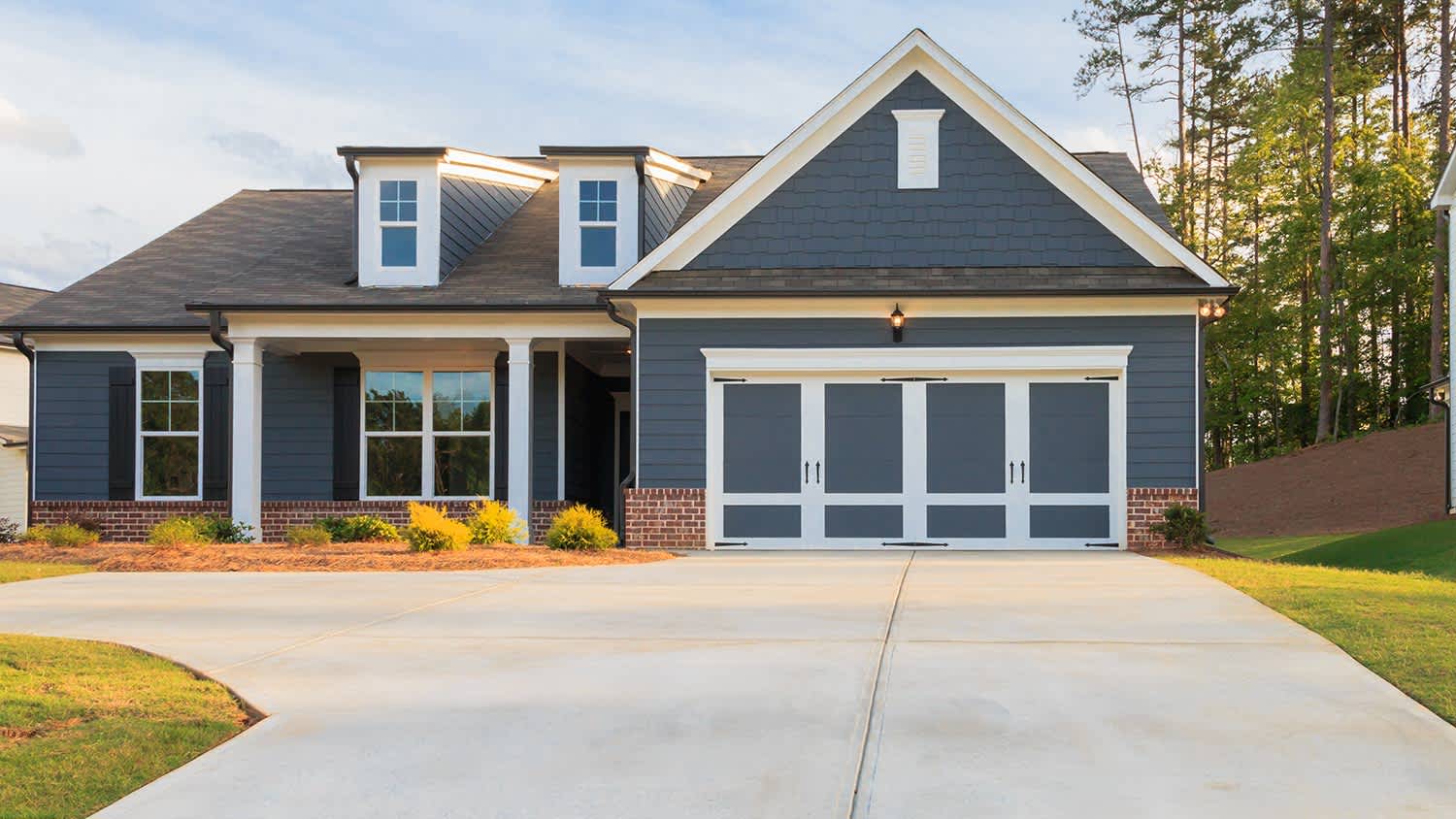
Mudjacking is suitable for sidewalks, driveways, patios, and nearly all exterior flat structures. However, it may not suit severely damaged or heavily cracked areas.
Polyjacking and mudjacking can both be effective solutions for sinking concrete, but they have key differences. Polyjacking, which uses expanding polyurethane foam, is often considered a better option because the foam is significantly lighter than the cementitious material used for mudjacking. This reduced weight puts less pressure on the underlying soil and lowers the risk of future sinking. Polyjacking is suitable for any sinking concrete slab, while mudjacking is typically only recommended for non-structural concrete, such as sidewalks, patios, pool decks, and driveways. The primary drawback of polyjacking is its cost, which can be up to four times higher than mudjacking—as much as $25 per square foot compared to a maximum of about $6 per square foot for mudjacking.
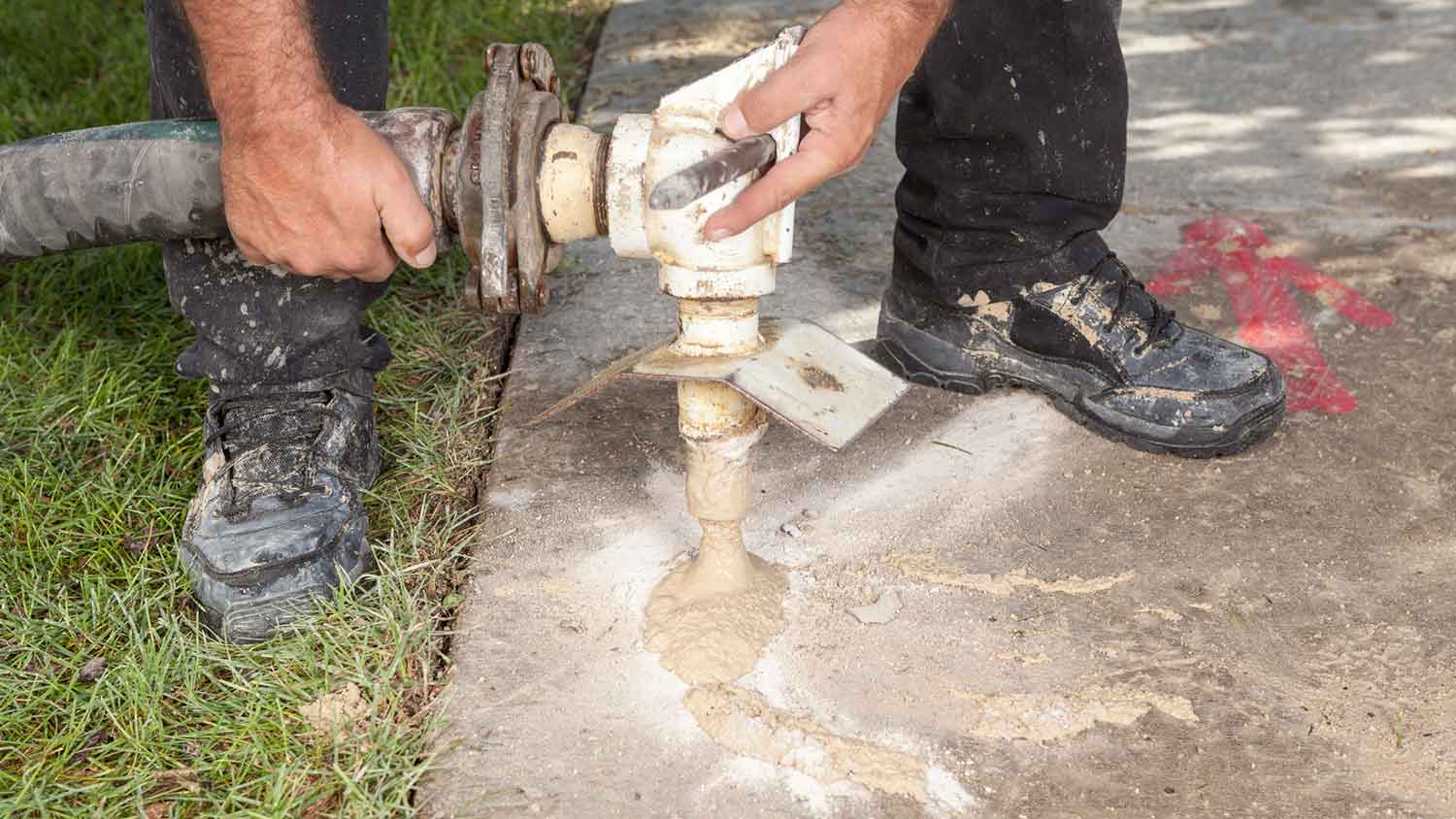
A slurry of cement, sand, and water is injected beneath the concrete to lift and stabilize it.
Mudjacking typically takes 24 to 72 hours (one to three days) to dry and cure completely before you can resume normal use. The total drying time can vary depending on the size of the project. Because the slurry mixture contains cement, it needs to harden fully to prevent the concrete slab from shifting under added weight. You should avoid walking on the concrete or placing heavy items like furniture or vehicles on the surface until it has fully set. Your concrete contractor can provide a precise timeline. As a point of comparison, if you opt for polyjacking, the polyurethane foam can dry in minutes, but it's recommended to wait about an hour before use.
Mudjacking can be an expensive foundation repair process, but in many cases, it’s well worth the investment. This is especially true if you’re lifting a portion of sunken foundation slab back into place. In that case, mudjacking can help avoid major structural damage and even home collapse by restoring the integrity of your structure with minimally invasive procedures. Mudjacking a concrete patio, walkway, or sidewalk can be worthwhile because it removes tripping hazards and makes your outdoor area more aesthetically appealing.
The Ninnekah, OK homeowners’ guide to concrete mudjacking services
From average costs to expert advice, get all the answers you need to get your job done.
DIY mudjacking is an advanced task, but learning how to raise a concrete slab is great to know for many scenarios. Let's take a look at how to DIY mudjack.