





Top-rated animal removal specialists.

Best animal removal specialists near Erick, OK

Enter your zip and get matched with up to 5 pros

Need a pro for your animal removal project in Erick, OK?

Select your specific project to find the pro for you.

Top-Rated Animal removal specialists in Erick - Updated Nov 2026

Avatar for Presto-X (St. Louis)
Presto-X (St. Louis)
New to Angi
Pest Control - Birds and BatsPest Control - RodentsPest Control - Small Animals

Serving Erick, OK and surrounding areas

Approved

In business since 1932

Free estimates

Warranties offered

Since 1932, Presto-X has been providing expert pest control services guided by the enduring principles of providing world class service to our customers and taking care of our colleagues. Presto-X covers your home or business with expert knowledge, professionally licensed and trained technicians, and exemplary service designed specifically for you.


Animal Removal FAQs, answered by experts

Setting up an animal trap in your yard largely depends on where you live and the type of critter you're dealing with. In many states, trapping nuisance animals like squirrels, rats, or raccoons is allowed, sometimes without needing a permit. However, certain wildlife species are protected, and not all states have lenient catch-and-release regulations.

Before placing a trap, check your local laws to avoid fines or other legal issues. Some areas allow DIY trapping, while others may require professional assistance. Most areas require a professional to relocate the animal once trapped. Consulting a pro ensures you handle the situation responsibly, humanely, and within the law.

Raccoons are more social than badgers. Badgers are solitary creatures, with the exceptions being mating season and rearing their young. Raccoons are more adaptable and often found in groups, especially in urban areas. Raccoons form loose social structures and frequently forage together and share dens. This social behavior helps them thrive in diverse environments, from forests to cities.

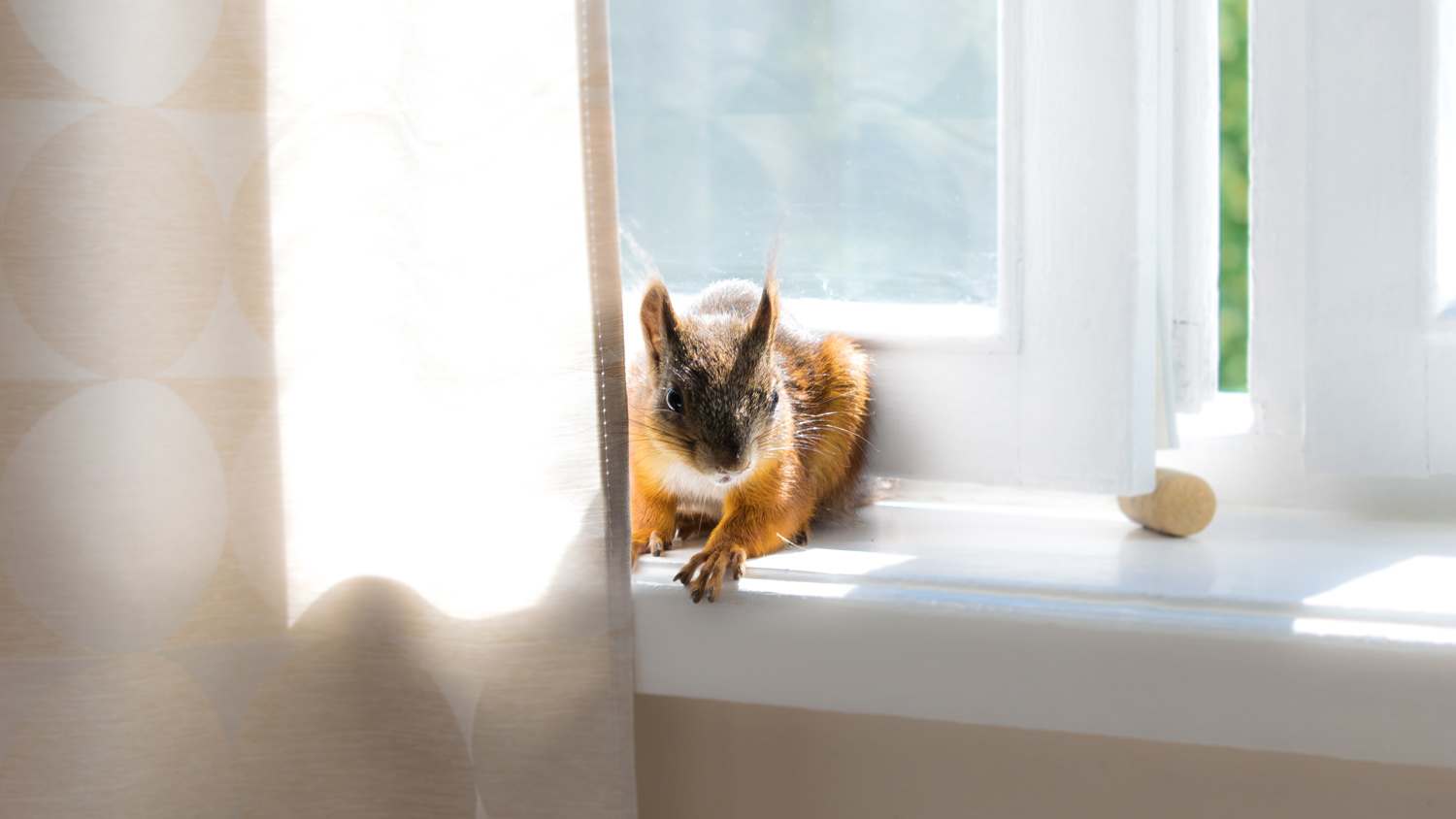
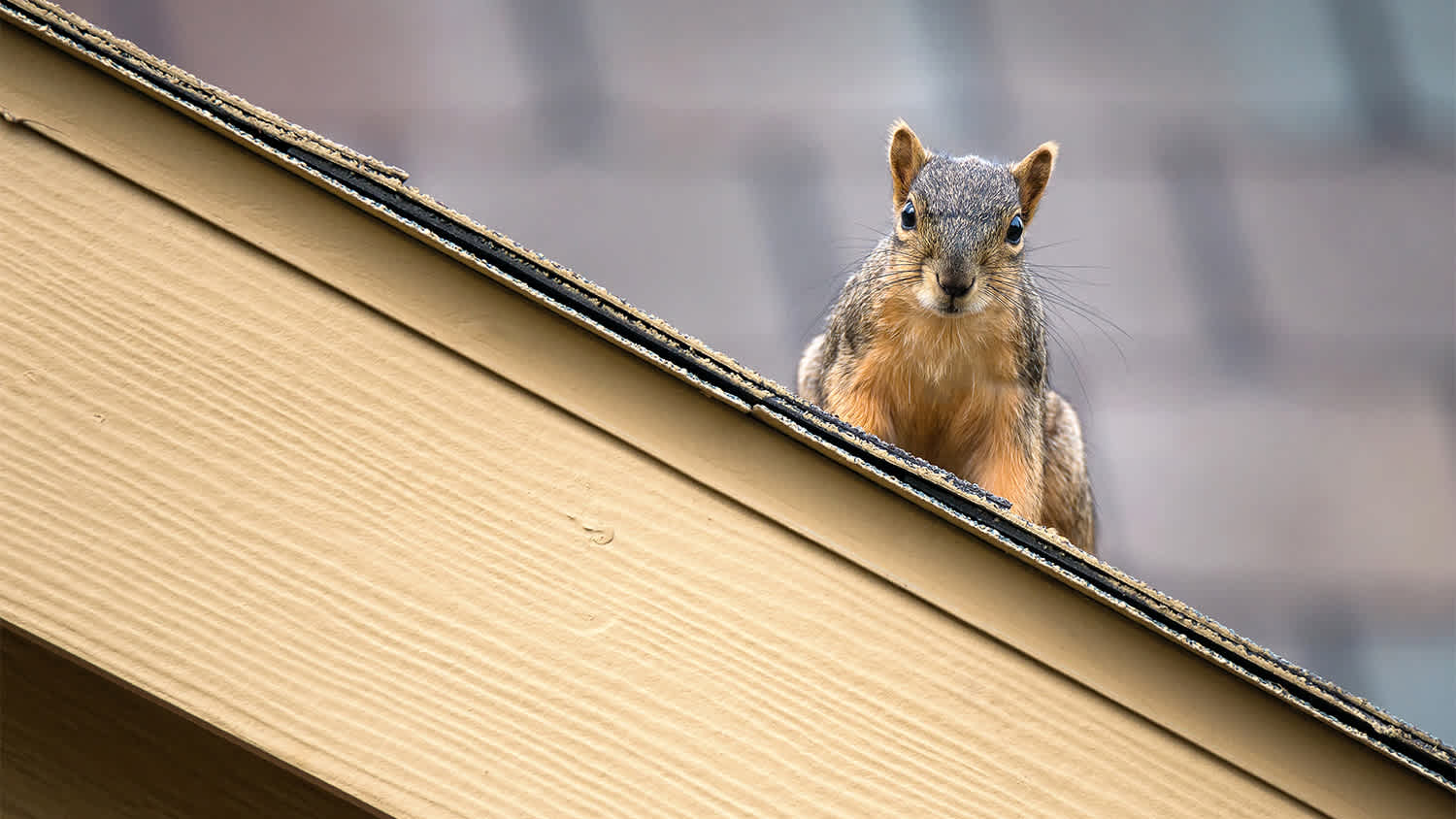
Squirrels hate not having access to secure shelter or food sources. Your best line of defense is to make your property less attractive by removing access to these things. There are chemical squirrel repellents, but these have mixed success. According to Pennsylvania State University, you can apply products containing the bittering agent denatonium saccharide to a squirrel's favorite fence, tree, or roof spots. However, you need to reapply repellents regularly, which aren’t scientifically proven effective.

It can be difficult to know what type of animal is in your attic until you see it. But several clues can help you narrow down the suspects:

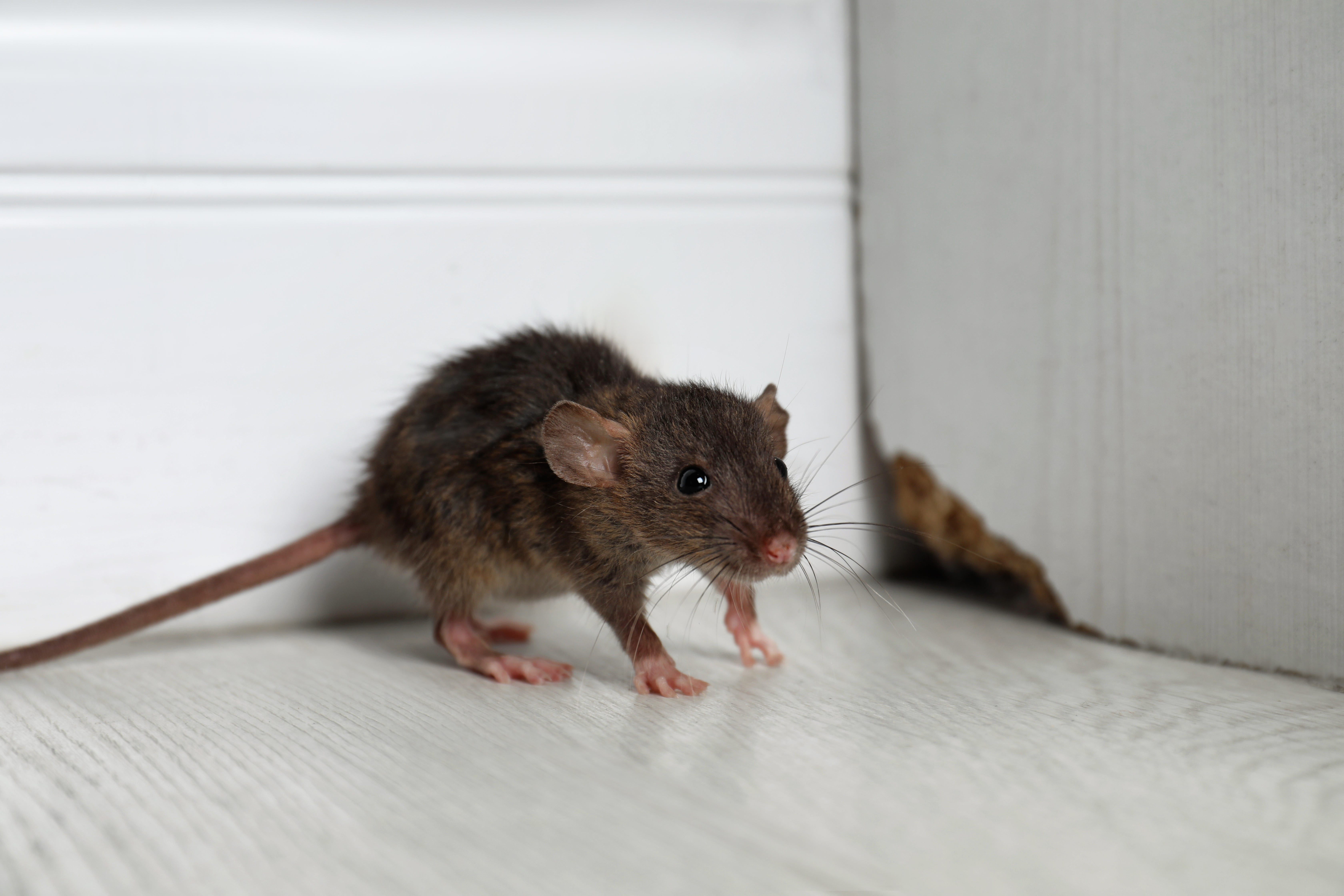
  • Sounds: Smaller animals like rats and mice make scurrying and tapping/gnawing sounds. Larger animals like raccoons and opossums make louder clambering noises. Also, note when animals are noisy: Squirrels are active during the day, while rats are busiest at night.

  • Droppings: Rats and mice leave small, rice-shaped droppings (the rat’s version is significantly larger). Bigger droppings belong to larger critters like raccoons. As long as you’re not squeamish, an image search can help you identify what you’re seeing in your attic.

When in doubt, take photos of damage or other evidence and show them to an experienced pest control pro.

Moles live underground and feed on insects. They dig and move through tunnels, usually in meadows or forests but sometimes in lawns and gardens. They are about 6 inches long with large claws, tiny eyes, and hidden ears. 

Shrews do not dig their own tunnels but will use other animals’ tunnels, and are about 3 to 4 inches long. They look similar to mice and feed on insects.

Voles are similar in size to moles but have large eyes and small but visible ears. Rather than eating insects, voles are herbivores that prefer seeds, grasses, and plant roots.

The Erick, OK homeowners’ guide to animal removal services

From average costs to expert advice, get all the answers you need to get your job done.