



Top-rated energy efficiency auditors.

Best energy efficiency auditors near Comanche, OK

Enter your zip and get matched with up to 5 pros

Need a pro for your energy efficiency auditing project in Comanche, OK?

Select your specific project to find the pro for you.

Top-Rated Energy efficiency auditors in Comanche - Updated Nov 2026

Energy Auditing & Construction, LLC
New to Angi
Energy Audit - For BusinessHome Energy Audit

Serving Comanche, OK and surrounding areas

In business since 2012

Free estimates

Credit card accepted

We are a locally owned and operated company that values honesty and integrity and treats your home as if it were our own. We offer a variety of General Contractor services that are customizable to each individual project. You will find us to be competitively priced, paying close attention to the details of each and every project that we are involved with. We look forward to building lasting relationships and guarantee your satisfaction!

Avatar for Aerial Precision Imaging LLC
Aerial Precision Imaging LLC
New to Angi
Energy Audit - For BusinessHome Energy Audit

Serving Comanche, OK and surrounding areas

Free estimates

Emergency services offered

Small jobs welcome

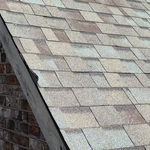
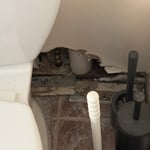
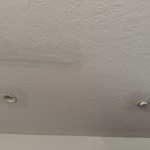
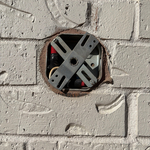
Aerial Precision Imaging LLC provides expert visual and handheld thermal inspections for homes and solar-equipped properties across North Texas. We help homeowners detect energy loss, moisture intrusion, and early signs of HVAC or roof inefficiencies—before they turn costly. Our FAA-certified pilot uses FLIR-grade thermal imaging and clear, data-driven reporting to deliver actionable insights. Serving Sanger, Denton, and surrounding communities with fast, no-pressure service and professional results.

Ceiling heat
Ceiling Junction
Wall Joint
Home Energy Loss Scan
Window

+1

Energy Efficiency Auditing FAQs, answered by experts

Yes, including optimizing settings and suggesting upgrades if needed.

Yes, installing an attic fan can help lower your electric bill—particularly if you live in a hot and humid region. By replacing hot and stuffy air with cooler air, these fans help regulate the temperature in your attic and the rest of your home, taking some of the pressure off of your air conditioner.

To determine the right size generator for your house, you should calculate the total wattage of the appliances and devices you want to power during an outage. List all essential items, note their start-up wattages, and add them together.

Here are some typical wattage requirements for common appliances:

  • Refrigerator: 600 watts

  • Large dehumidifier: 700 watts

  • Large window air conditioner: 1,400 watts

  • Water heater: 3,000 to 4,500 watts

  • Electric furnace: 5,000 to 25,000 watts

A 7,500-watt generator might be sufficient for essentials like a refrigerator, freezer, well pump, and lighting circuits. However, for high-demand items like a water heater or furnace, a whole-home generator is a better choice. A portable generator may be enough if you only need to power a few critical items.

While home square footage can offer a rough estimate, it is not always a reliable indicator. For reference, here are some typical generator sizes based on square footage:

  • 1,000 sq ft: 6–9 kW

  • 1,500 sq ft: 7–10 kW

  • 2,000 sq ft: 10–14 kW

  • 2,500 sq ft: 12–16 kW

  • 3,000 sq ft: 16–20 kW+

For the most accurate sizing, consult a professional who can calculate your home's peak and average power consumption and recommend the optimal generator.

Costs depend on pipe length, accessibility, and whether additional services are required.

You can check your home's humidity in a few ways. A simple option is to use a hygrometer, which you can find at a hardware or big box store. Your smartphone may also have an app that can measure humidity. Modern thermostats, particularly smart thermostats, are also able to measure humidity levels.

The Comanche, OK homeowners’ guide to energy efficiency auditing services

From average costs to expert advice, get all the answers you need to get your job done.