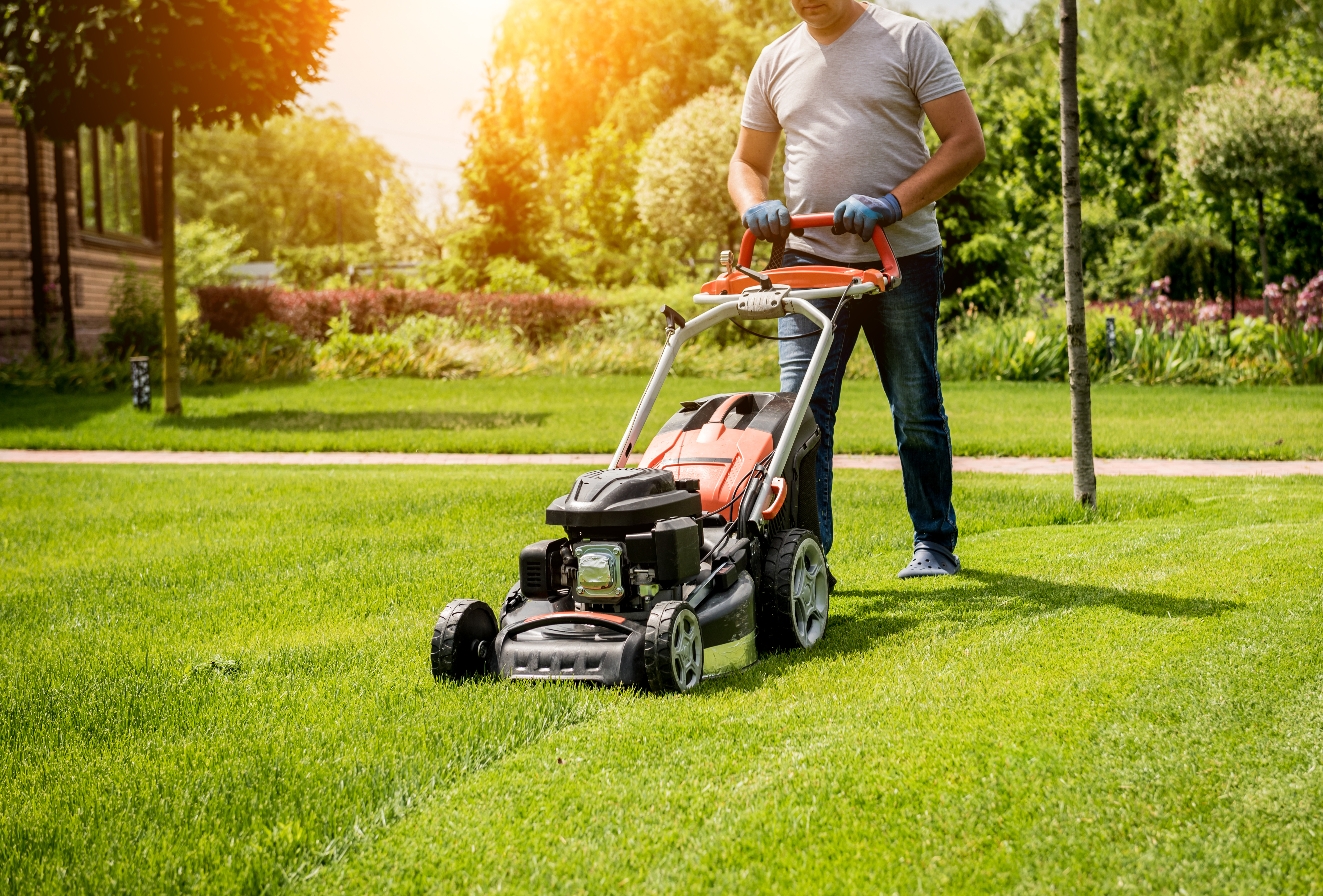
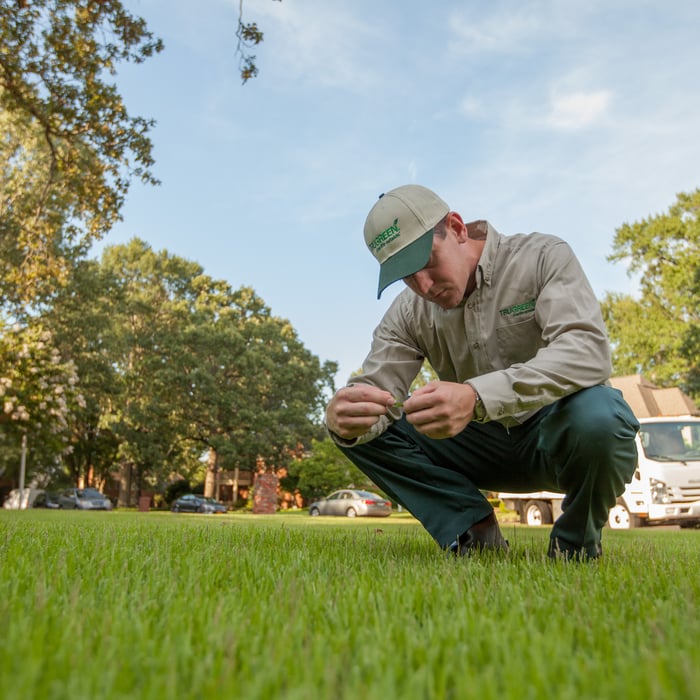
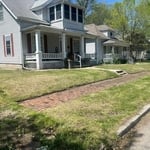
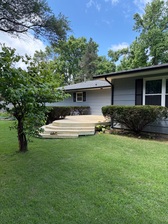
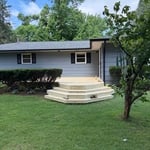
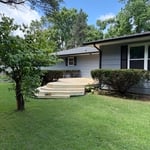
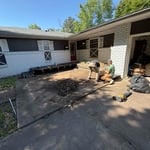
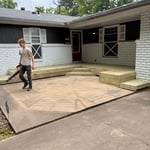
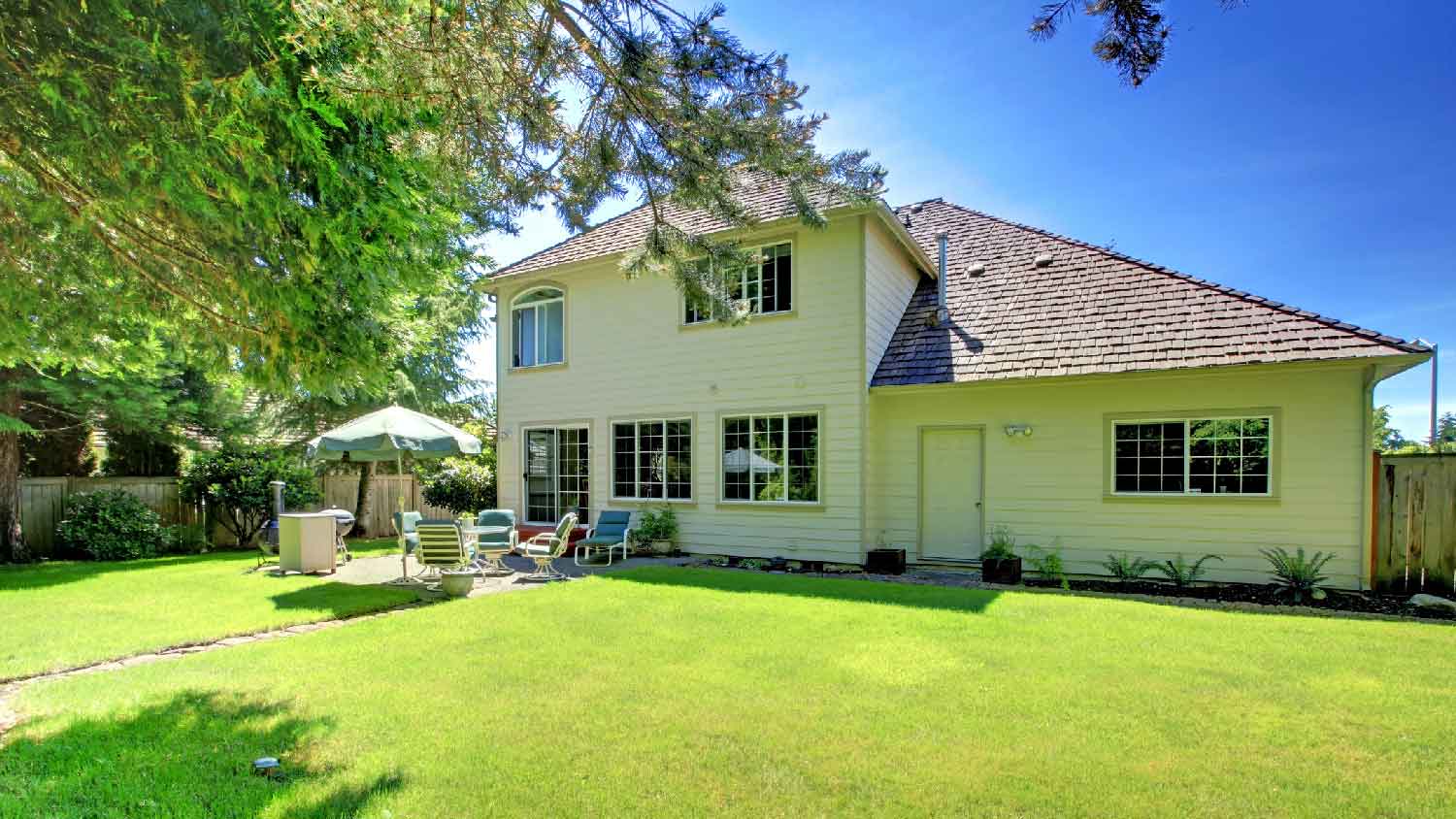
"I think they treated the wrong lawn. The note they sent me via text message referenced trees and shrubs in my yard, I have none. They also did not leave a yard marker showing they had been there. Otherwise, this would have been a 5 star review."
"The two gentlemen came by to give me an estimate and were very personable and polite. However, I made other arrangements. I would recommend these guys though based on their understanding of what I wanted to have done and their ability to communicate with me what they planned to do for me."
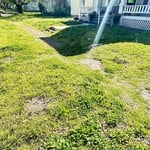
"I asked them if the sod needed to be rolled after putting down. The installers said no. I wish I had insisted that it be done. You can now see fescue growing up between the squares of Bermuda squares. The yard looks like a checker board."
I’m a semi retired gentleman looking to supplement my social security by doing yard work. I can mow, weed eat and pick up fallen branches and other debris. I also can till your garden with a 6 foot wide tiller that leaves a ready to plant finish. I can grade your driveway. I can move dirt or rock with a front loader also. I’m available 7 days a week.
A pre-emergent herbicide is the most effective way to avoid stickers growing in your yard. However, if some manage to make it through, a post-emergent herbicide is the most effective way to kill them. However, environmental concerns exist when using chemicals on a lawn. Try vinegar or baking soda applications to kill sticker plants for a more natural yet still effective method.
If you don’t remove a bush properly, it’ll come back each year. Removing the root system entirely is the only way to ensure the plant doesn’t have a chance to grow back. You can also use natural weed killers or you can choose to suppress the area with landscaping fabric. Additionally, consider planting alternative, non-invasive vegetation to deter the return of thorn bushes.
Yes, rotting leaves can be good for your soil. The decaying leaves release nutrients into the soil that can boost the health of your plants, and the organic matter also helps improve airflow and water drainage.
There are several ways to decompose yard waste quickly. The first step is to move all debris into a compost bin or pile. From there, microorganisms, bacteria, and insects will break down the yard waste into compost. To speed things up, shred the waste into smaller pieces, add live worms to the pile, or introduce nitrogen-rich compost accelerators like grass clippings, coffee grounds, and manure. Turn the compost over every few days. This process, called aerating, allows oxygen to get in and accelerate decomposition.
Raking is one way to remove moss from your lawn. However, if you rake live moss, it can spread and exacerbate the problem. Instead, use a moss killer, then wait a couple of weeks before raking to ensure the moss is dead and can’t spread to other areas of your lawn.
The Cleora, OK homeowners’ guide to lawn services
From average costs to expert advice, get all the answers you need to get your job done.
Discover average lawn aeration cost, key price factors, and tips to save. Get a clear estimate for your yard and learn how to choose between DIY and hiring a pro.
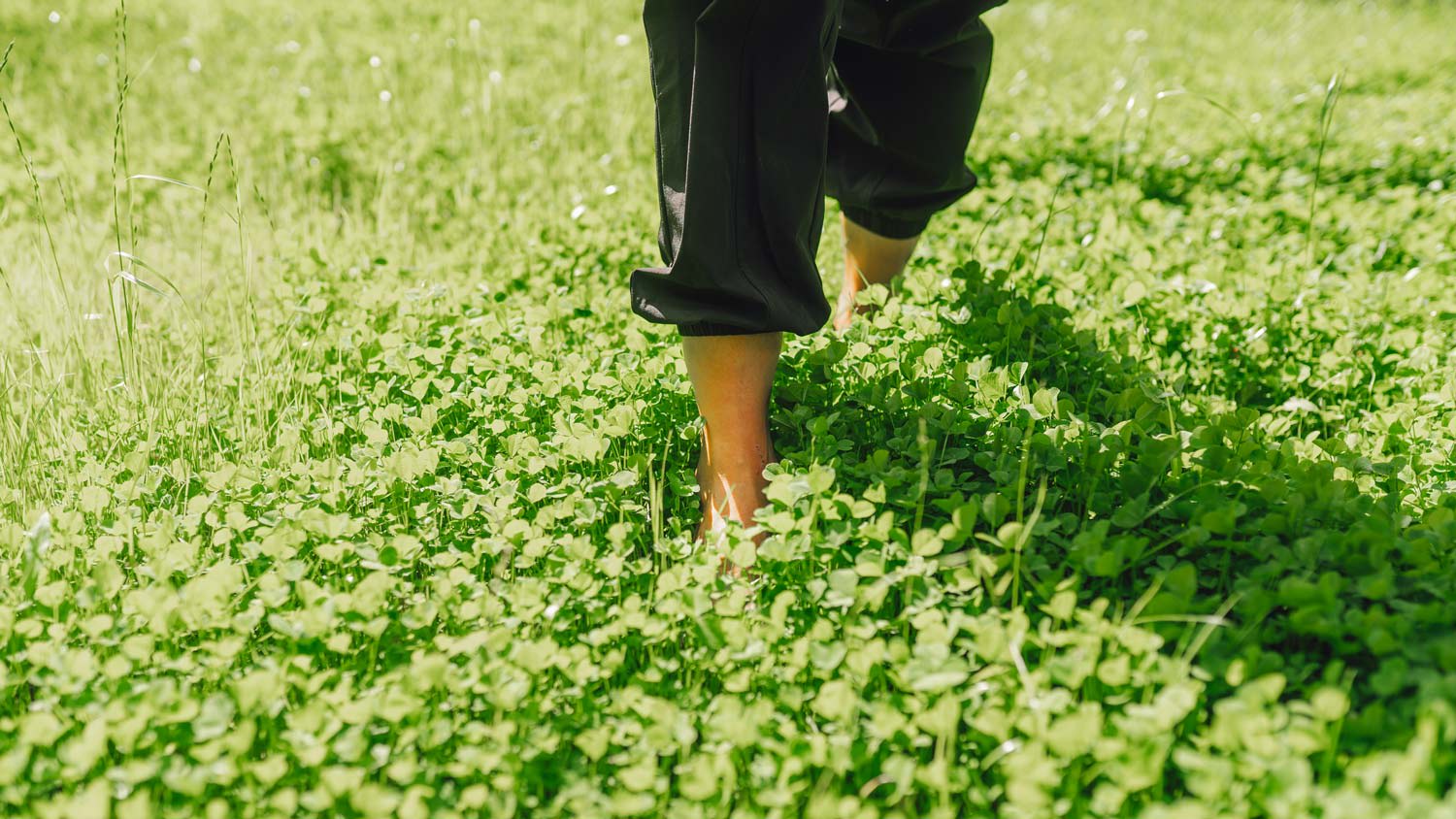
Of all the increasingly popular grass alternatives, clover is edging out the competition. Get to know the top clover lawn pros and cons and whether this option is right for you.