


Top-rated haulers.

Get matched with top haulers in Central High, OK

Enter your zip and get matched with up to 5 pros

Find Haulers in Central High

Avatar for Tyler
Tyler
New to Angi
Waste, Junk, Building Materials and Debris - Remove and Haul

Serving Central High, OK and surrounding areas

Approved

Free estimates

Emergency services offered

Small jobs welcome

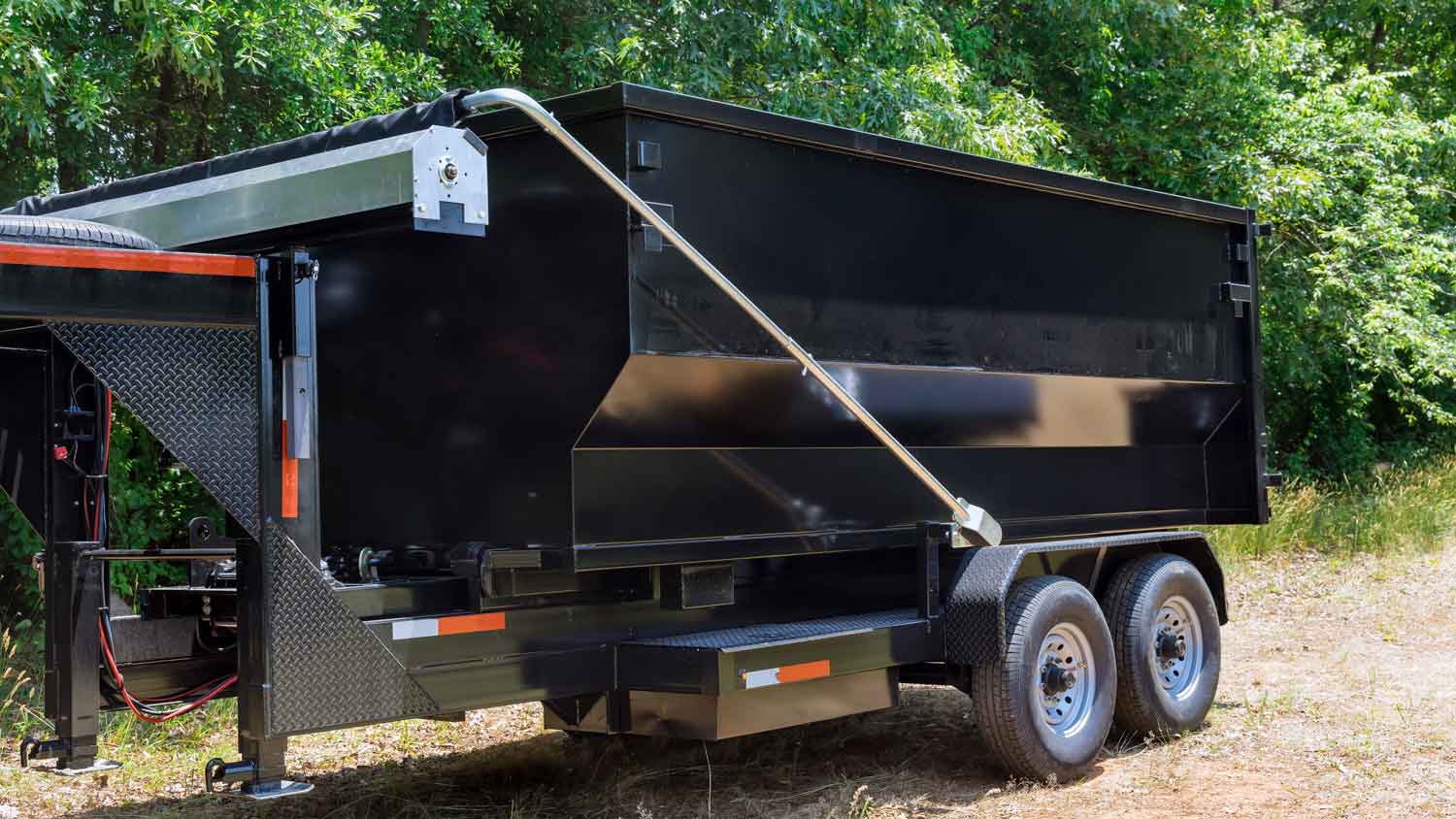
provide reliable, affordable dump trailer rentals and hauling services for homeowners, contractors, and businesses. Whether you’re tackling a home cleanout, renovation, landscaping project, or construction job, we make debris removal simple and stress-free.\n\nOur heavy-duty dump trailers are perfect for hauling junk, construction debris, brush, dirt, concrete, and more. We offer flexible rental options with convenient delivery and pickup, so you can focus on your project while we handle the heavy lifting.\n\nIn addition to haul-off services, we also deliver materials such as sand, gravel, rock, mulch, and dirt directly to your job site—saving you time and extra trips.\n\nWe take pride in providing prompt service, fair pricing, and dependable communication. As a locally owned and operated business serving Norman and surrounding areas, we’re committed to helping our community get the job done right.

...
Showing 1-10 of 63
Hauling questions, answered by experts

Begin by calling your waste management company to check if there was a reason the garbage truck skipped your home this time. If there is no clear explanation or you cannot reach a representative, call your local sanitation department to report the issue. In this case, be sure to take notes about how often the company doesn't pick up your garbage or and whether you were able to contact the business.

While a rented dumpster can handle a wide variety of materials, there are significant restrictions on what is allowed. Generally, you can dispose of most non-hazardous household junk, yard waste, and construction debris.

Accepted items typically include:

  • Furniture, carpets, old linens, and toys

  • Wood and yard debris

  • Small appliances and excess trash

  • Renovation waste like old finishes, building debris, and roofing materials (unless they contain lead paint or asbestos)

However, you cannot put toxic, flammable, or hazardous materials in a dumpster. Prohibited items almost always include:

  • Paint, gasoline, oil, and other fuels

  • Household cleaners and other chemicals

  • Electronics, batteries, and tires

  • Refrigerators, hot water tanks, and medical waste

Since regulations can vary by location and company, it is essential to check with your dumpster rental provider for their specific list of accepted and prohibited items before you begin.

Rubber mulch is recyclable and should not be disposed of in landfills. Contact local recycling centers or rubber mulch manufacturers, as many offer take-back programs. You can also repurpose it for other landscaping projects, donate it to schools or community parks, or sell it online. If removal is necessary, use a shovel and rake to collect the mulch, then transport it to the appropriate disposal or recycling facility.

Yes, concrete is recyclable, but you can’t just drop it off at a traditional recycling center. Most major cities have specific concrete recycling centers that will accept your concrete disposal and break it down using industrial equipment. Recycled concrete can be used to create environmentally sustainable items like gabion walls to protect shorelines.

While a biohazard cleanup sounds like a scary process, knowing what to expect can help ease your concerns and set you up for success. It’s good to note that more than one professional might be needed depending on your situation, but that will be determined during the assessment. What you can expect during a home biohazard cleanup is the following:

  • Assessment: The first step in this process is for a biohazard cleanup professional to assess the damage. They create a report that includes the biohazard safety level, the needed damage cleanup, and the time it should take to complete the project. 

  • Setup: The cleanup professional prepares the site to prevent cross-contamination and reduce toxicity risk. This process can include tarping and creating decontamination zones. 

  • Removal of surface contamination: Any contaminated materials are removed from the area, starting with large materials followed by small ones. The professional can assess any floor-related damage once everything is removed from the site. 

  • Salvaging items: The biohazard cleanup professionals assess which items can be saved and which are contaminated beyond the point of saving. Those deemed unsafe will be disposed of immediately. 

  • Waste disposal: The next step is carefully disposing of the hazardous waste. Your professional will place the contaminated items in specific containers to keep the contamination from spreading.   

  • Disinfection: The house will be disinfected and odor-neutralized. Even more minor details, like light switches and bulbs, will be disinfected so that they do not recontaminate the area in the future. 

  • Restoration: Once the decontamination is complete, the last step is to restore the home. This includes repairing the damage to flooring, walls, or even the home's foundation.  

The Central High, OK homeowners’ guide to hauling services

From average costs to expert advice, get all the answers you need to get your job done.