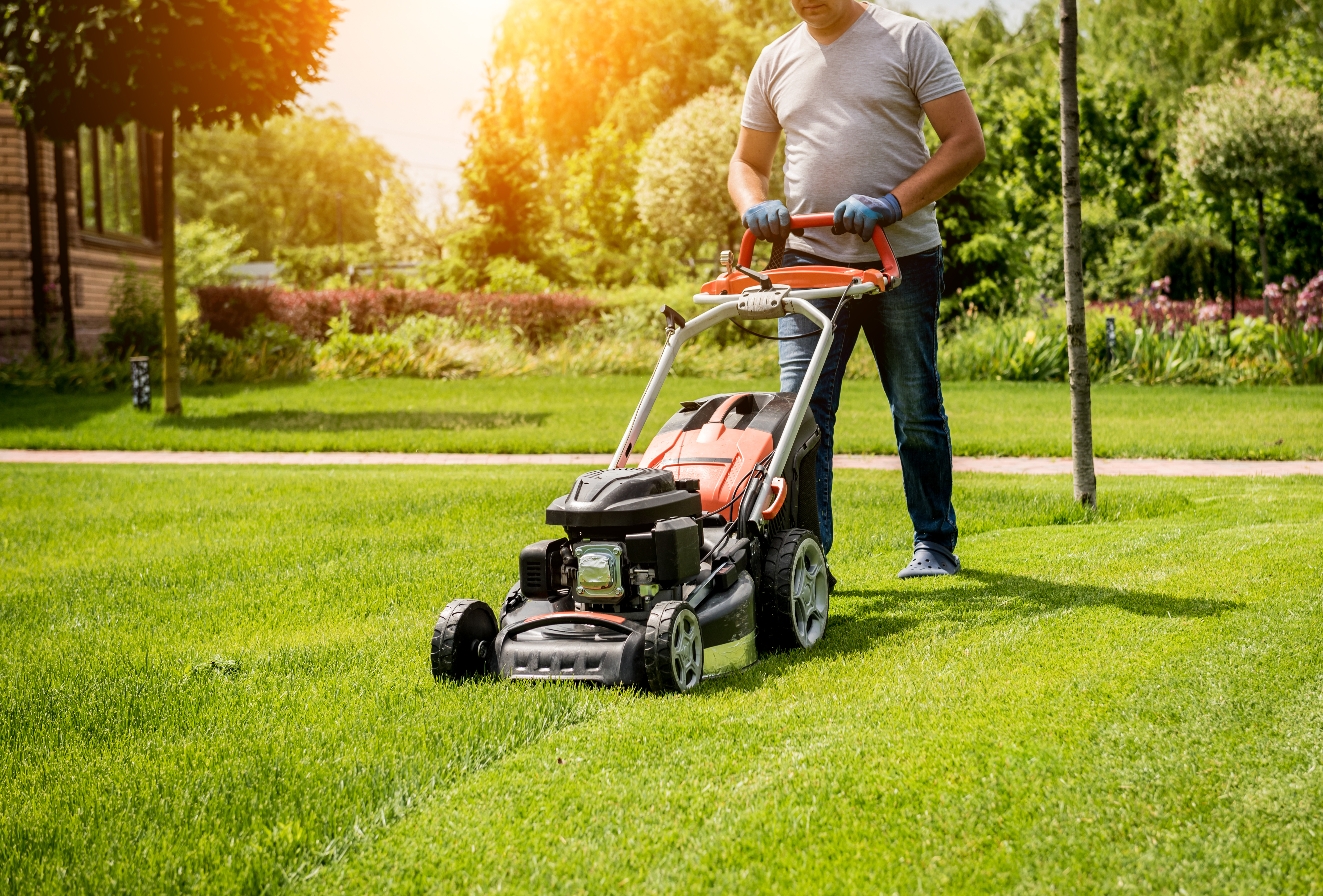
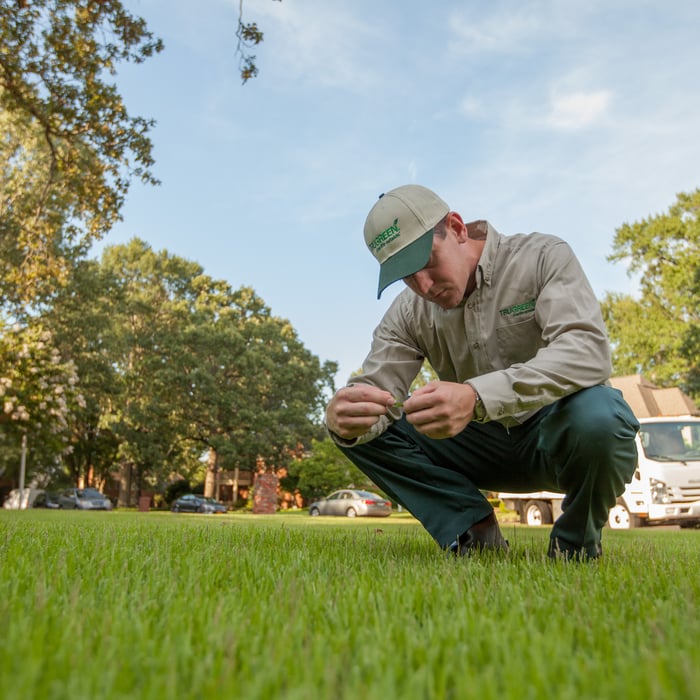
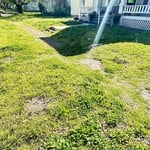
"I think they treated the wrong lawn. The note they sent me via text message referenced trees and shrubs in my yard, I have none. They also did not leave a yard marker showing they had been there. Otherwise, this would have been a 5 star review."
"The two gentlemen came by to give me an estimate and were very personable and polite. However, I made other arrangements. I would recommend these guys though based on their understanding of what I wanted to have done and their ability to communicate with me what they planned to do for me."
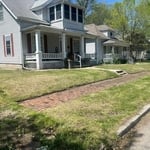
"I asked them if the sod needed to be rolled after putting down. The installers said no. I wish I had insisted that it be done. You can now see fescue growing up between the squares of Bermuda squares. The yard looks like a checker board."
I’m a semi retired gentleman looking to supplement my social security by doing yard work. I can mow, weed eat and pick up fallen branches and other debris. I also can till your garden with a 6 foot wide tiller that leaves a ready to plant finish. I can grade your driveway. I can move dirt or rock with a front loader also. I’m available 7 days a week.
Local honest Christian just looking for odd jobs to make a little extra income no set price’s we can discuss what you think is fair for my time and effort
Generally, it is not necessary to remove old mulch before applying a new layer. As organic mulch breaks down, it enriches the soil with nutrients. However, you should remove the old layer if it shows signs of fungus or disease, which can be common in moist areas, or if the total depth is already too thick. Avoid letting the total mulch depth exceed 3 inches, as this can harm plant roots. If you do remove old, disease-free mulch, it can be added to a compost pile.
No. Unfortunately, leaf removal is your responsibility, no matter what tree the leaves come from. It would be pretty hard to regulate leaves since they can be moved by the wind or water. Imagine the detective skills it would take to determine which tree each leaf came from and who was then liable for removing it. Instead, plan to remove any leaves on your property.
Most mushrooms found on residential lawns are harmless. Certain varieties such as destroying angel, fly agaric, and vomiter mushrooms that can grow in grass will occasionally make their way onto residential lawn, but this is uncommon. Since mushrooms can be notoriously difficult to identify, if you suspect that your lawn mushrooms could be a poisonous type, consulting a professional is recommended.
For minor unevenness, you don't necessarily need to remove grass before leveling. You can apply a topdressing mixture to fill in low areas and even out the surface. However, for more significant unevenness or deep depressions, it might be necessary to temporarily remove the grass to ensure proper leveling and soil compaction. After filling and leveling, you can replace the grass or consider reseeding the area.
We always recommend wearing a protective mask when blowing leaves (as well as goggles if possible). Blowing leaves creates a lot of dust, and in many cases that dust contains a bunch of allergens that can make those sensitive very miserable. Even worse, moldy leaves can contain fungi and bacteria that could make humans as animals very sick. Mask up before starting your leaf project, and if anyone is helping you collect the leaves it’s a good idea if they wear a mask, too.
The Bernice, OK homeowners’ guide to lawn services
From average costs to expert advice, get all the answers you need to get your job done.
Discover average lawn aeration cost, key price factors, and tips to save. Get a clear estimate for your yard and learn how to choose between DIY and hiring a pro.
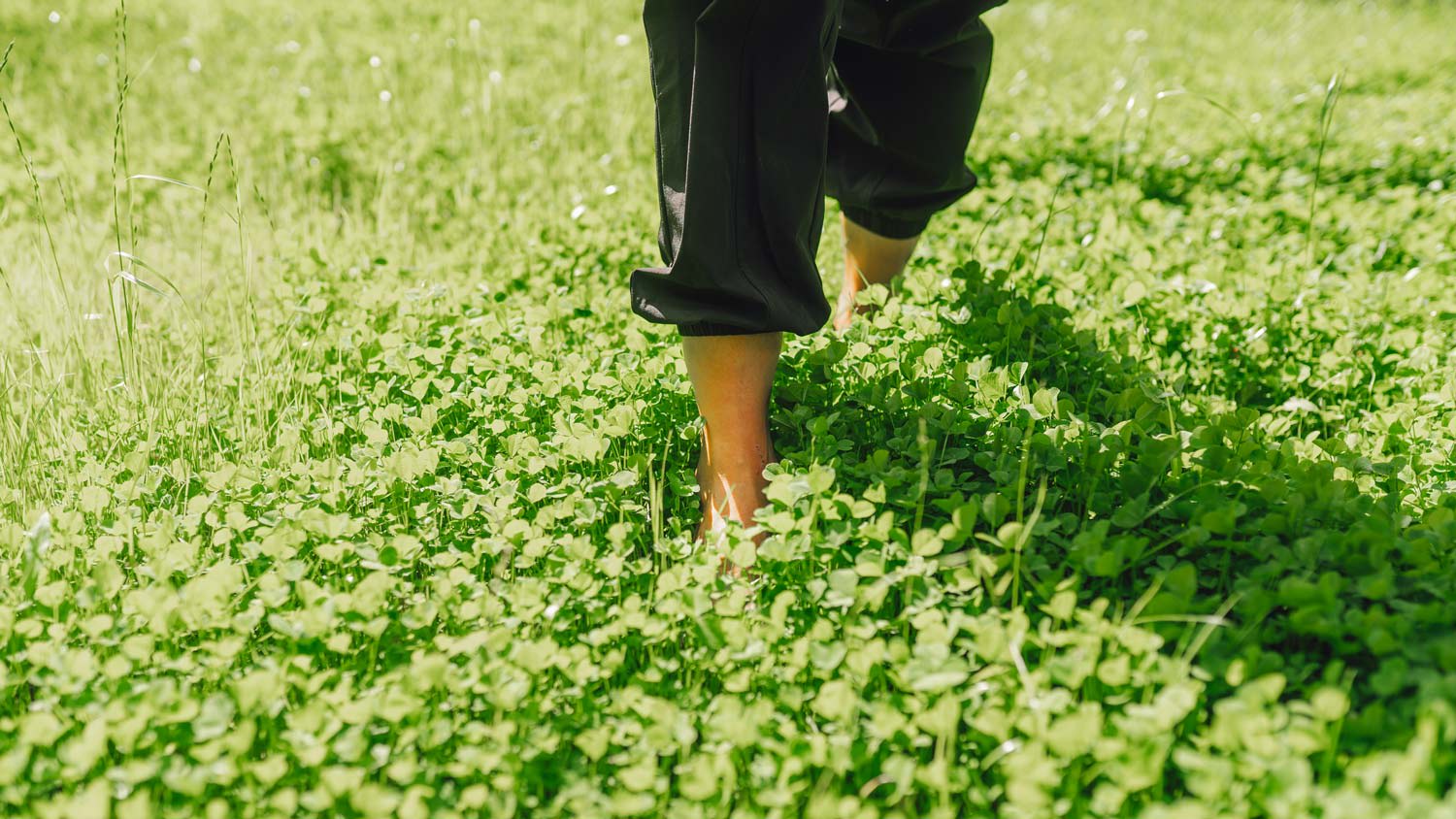
Of all the increasingly popular grass alternatives, clover is edging out the competition. Get to know the top clover lawn pros and cons and whether this option is right for you.