

Top-rated weed maintenance pros.

Get matched with top weed maintenance pros in Weston, OH

Enter your zip and get matched with up to 5 pros

Need a pro for your weed maintenance project in Weston, OH?

Select your specific project to find the pro for you.

TRUSTED BY WESTON, OH HOMEOWNERS

  • Average homeowner rating star icon3.9
    Average homeowner rating
  • Verified reviews icon39
    Verified weed maintenance services reviews

Find Weed maintenance pros in Weston

Avatar for Fadley’s LawnCare & Snow Removal
Fadley’s LawnCare & Snow Removal
5.0(
4
)
Lawn Care - Maintain and Mow a Lawn

Serving Weston, OH and surrounding areas

In business since 2024

Free estimates

Emergency services offered

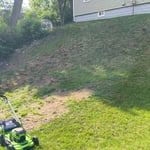
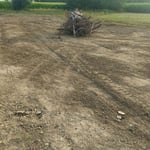
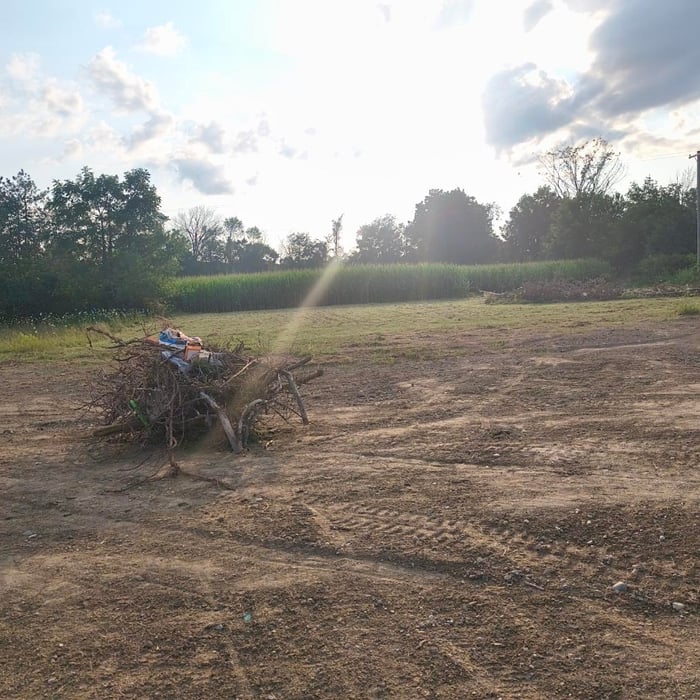
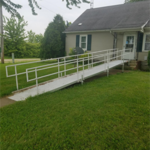
"Fadley's LawnCare did an exceptional job taking our overgrown backyard from a jungle to a place our family can actually enjoy. I thought there was no way they would get it done in one day and they knocked it out of the park in only 5 hours!! They got straight to work and never stopped until it was done. I'm beyond grateful for the difference they made. AND, they are going to keep coming back and checking and spraying if needed to make sure some of the very stubborn weeds we had don't come back also. That's something you don't get very often at all. I will be hiring them for any other outdoor lawn projects I need tackled!"
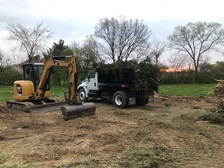
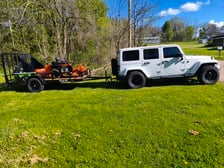
Additional Photos
Additional Photos
Additional Photos
Additional Photos
Recommended by100%of homeowners
...
Showing 1-10 of 81
Weed Services questions, answered by experts

You should add 1 to 4 inches of mulch, depending on your garden type and needs. Keep in mind that no amount of mulch can completely prevent weeds, but a heavier coverage (closer to 4 inches) can suppress weeds enough that you are only seeing them sprout every few weeks. Finer mulch prevents weeds more effectively than large mulch, so if you’re using mulched leaves or shredded bark, 1 to 2 inches will likely suffice, while 3 to 4 inches is best for larger mulch, like bark chips or straw.

There are organic herbicide options that will kill grass but not flowers, including white vinegar or a dish soap solution. Commercial selective herbicides can also target grass over other plants, but read the instructions carefully to avoid damaging your garden. Herbicides that kill grass but not flowers usually include ingredients like clethodim and sethoxydim. Otherwise, your best bet will be to weed by hand.

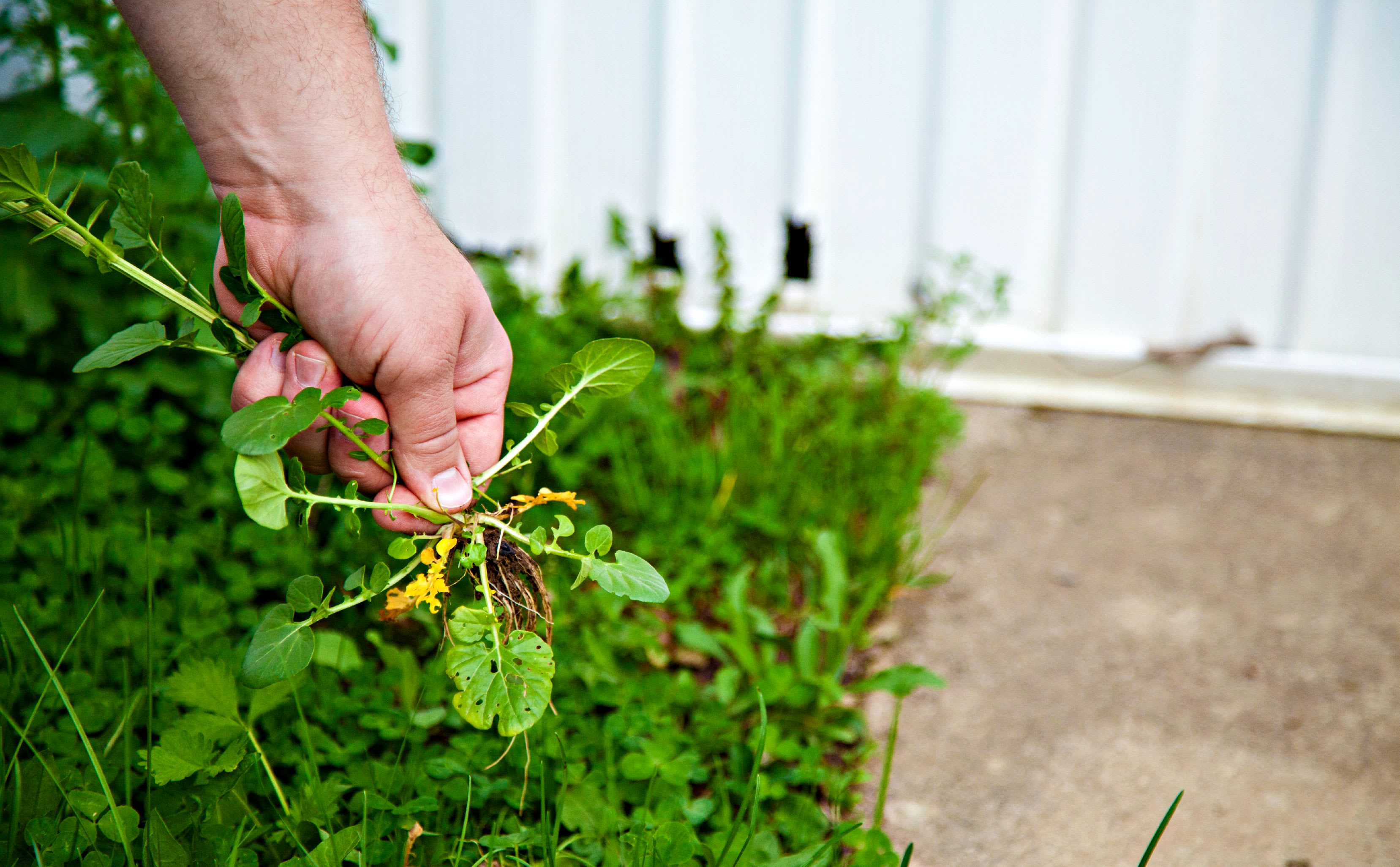
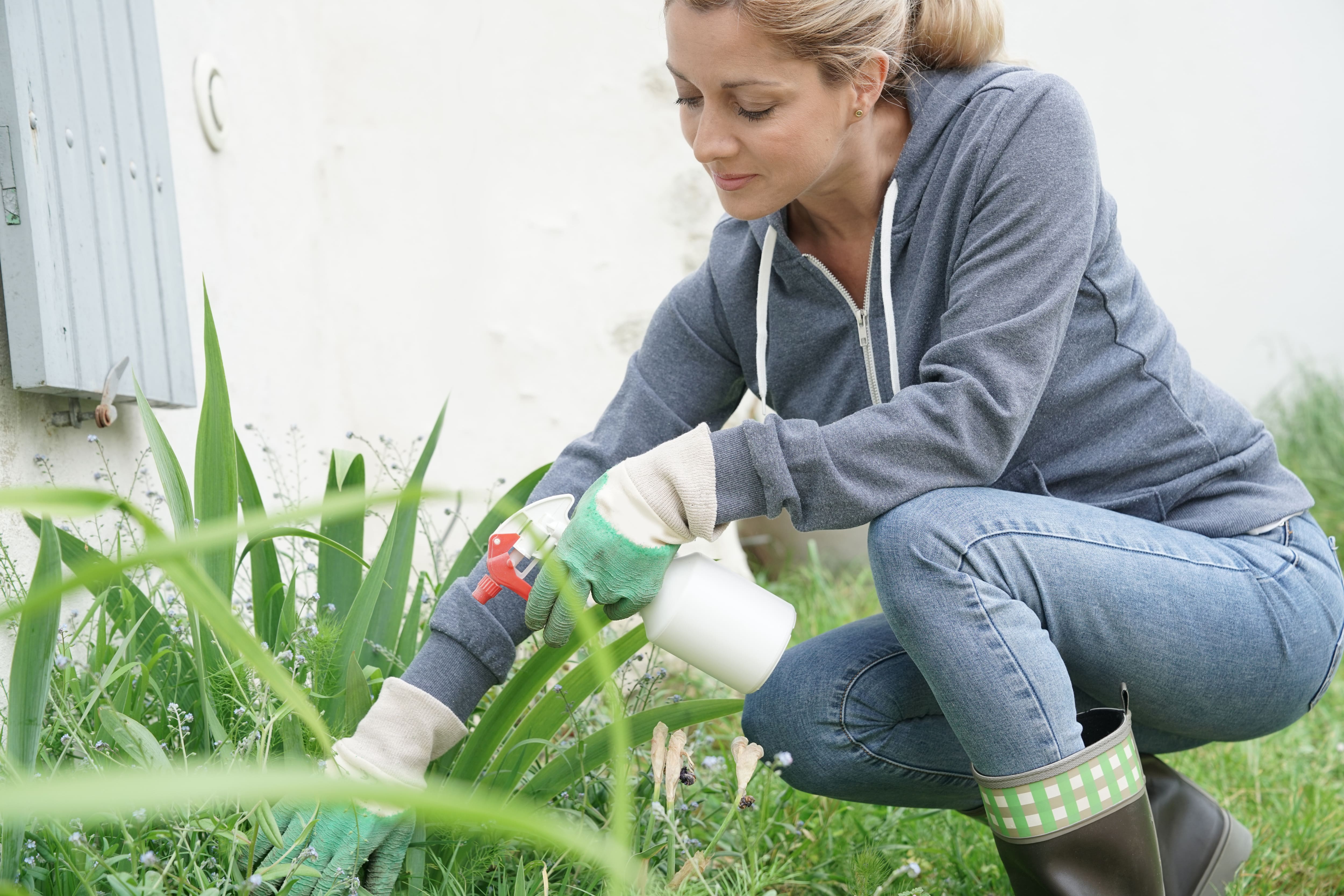
Ultimately, pulling weeds vs. spraying them depends on what’s happening in your yard and your personal preferences. Manual weed removal doesn’t introduce any chemicals into your landscape, targets specific problematic plants, produces immediate results, can be free if you go the DIY route, and is inexpensive with a weed service if you only have a handful of weeds. On the other hand, spraying is often preferable for severe weed infestations and situations involving difficult-to-pull weeds because it treats multiple weeds at once, is usually more effective long-term, is less time-consuming, and costs less when done by a pro.

Yes, suggesting companion planting and mulching to minimize new growth.

If you spray a DIY vinegar solution that contains high salt, it can disrupt the soil's structure and make it difficult for plants to grow. That's why it's vital to avoid spraying vinegar solution on areas where you are trying to grow plants and flowers. When using a mix of vinegar and soap, some say you can plant a few days after the vinegar dries. 

The Weston, OH homeowners’ guide to weed maintenance services

From average costs to expert advice, get all the answers you need to get your job done.