


Top-rated arborists.

Best arborists near The Plains, OH

Enter your zip and get matched with up to 5 pros

Need a pro for your arboricultural service project in The Plains, OH?

Select your specific project to find the pro for you.

TRUSTED BY THE PLAINS, OH HOMEOWNERS

  • Average homeowner rating star icon4.6
    Average homeowner rating
  • Verified reviews icon96
    Verified arboricultural services reviews

Top-Rated Arborists in The Plains - Updated Nov 2026

Avatar for Ohio Stump Grinds
Ohio Stump Grinds
3.7(
32
)
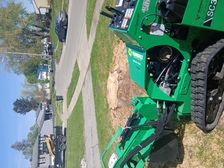
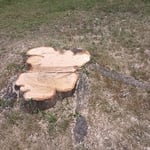
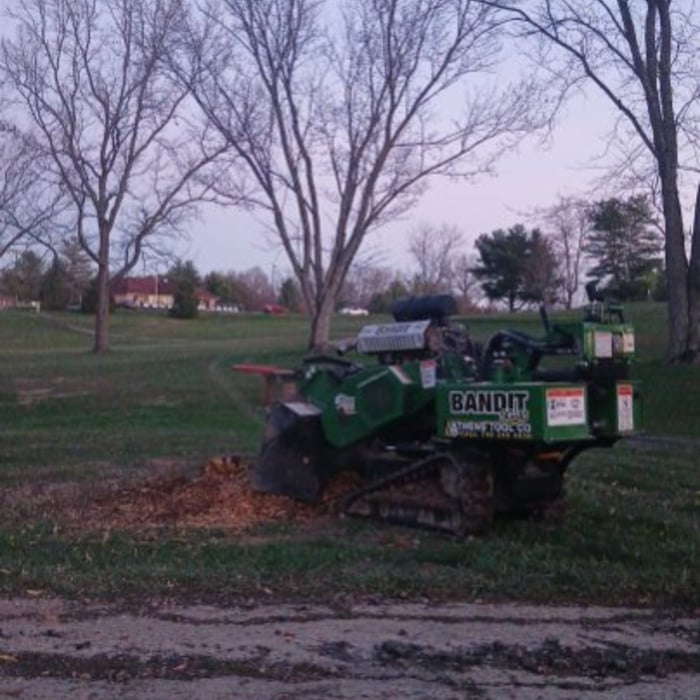
Tree Stump - Remove

Serving The Plains, OH and surrounding areas

Approved

In business since 2025

Free estimates

Emergency services offered

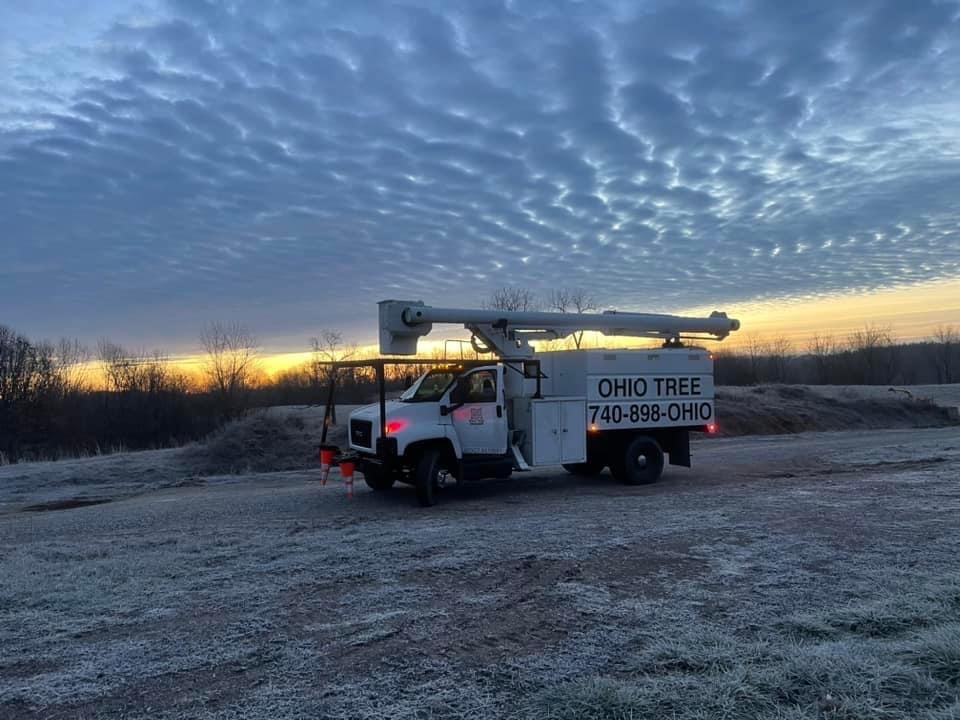
"Ryan and his crew worked very hard for two days to remove two large trees out of our front yard. They also trimmed a maple tree in our back yard that was hanging over the house. Very efficient and professional group of guys. Highly recommend Ryan's business."
Stump
Stump
Stump
Stump
Project Photos

+11

Response time1 day
42 neighbors recently requested a quote
Recommended by73%of homeowners
Ohio Valley Land Clearing
New to Angi
Tree RemovalTree Stump - Remove

Serving The Plains, OH and surrounding areas

Approved

Small jobs welcome

Offers commercial services

I specialize in land clearing and minor excavation, helping property owners turn raw land into usable space. With a strong work ethic and attention to detail, I handle each job efficiently and safely. From clearing brush to light excavation, I take pride in doing the job right and leaving customers with results they can rely on.

...
Showing 1-10 of 65
Arborists FAQs, answered by experts

As a general rule, the protected area should be about 1½ times as wide as the canopy of the tree’s leaves. This digging measurement can vary by tree species and the age of the tree. Of course, that can be a lot of fencing for larger trees, which is why our first step is about making difficult decisions on which trees to save.

The exact answer to this question depends on which region of the country you’re talking about, but according to various tree counts, some of the most common types of trees in the United States include red maple, Douglas fir, quaking aspen, loblolly pine, and sweetgum.

Yes, burning wood with Dutch elm disease is a safer way to dispose of it than, say, tossing it in with the rest of your yard waste, which could potentially allow it to spread to healthy trees. But it’s always a good idea to check with your local government to make sure you’re complying with any ordinances about removing diseased trees as well as burning brush piles.

Generally, if your neighbor’s tree hangs over your yard, you can legally trim overhanging branches. Keep in mind that you cannot cross your property line to cut the trees, and if you damage the tree by trimming it, your neighbor could sue you. Depending on the type of tree and value, this could mean dishing out two to three times the value of the tree.

It’s worth noting that the specifics of this type of tree maintenance and the guidelines around it may vary by location. Do your research and, most importantly, consult with your neighbor.

The best time to transplant a tree is when it is dormant. For many trees, this means either in the fall after the leaves have dropped (around October or November) or in early spring before new growth begins (around March). The ideal timing can depend on the type of tree. Deciduous trees do well when moved in early spring or fall, while evergreens are best transplanted in early spring or late summer. For example, pine trees are best moved in early fall, but maples prefer late fall. Avoid transplanting in winter, as the frozen or hard, cold soil poses a significant risk to the roots and prevents the tree from acclimating properly.

The The Plains, OH homeowners’ guide to arboricultural services

From average costs to expert advice, get all the answers you need to get your job done.