




Top-rated arborists.

Best arborists near Reno, OH

Enter your zip and get matched with up to 5 pros

Need a pro for your arboricultural service project in Reno, OH?

Select your specific project to find the pro for you.

TRUSTED BY RENO, OH HOMEOWNERS

  • Average homeowner rating star icon4.4
    Average homeowner rating
  • Verified reviews icon102
    Verified arboricultural services reviews

Top-Rated Arborists in Reno - Updated Nov 2026

Avatar for The Weed Wranglers
The Weed Wranglers
New to Angi
Tree RemovalTree Stump - RemoveTree Trimming

Serving Reno, OH and surrounding areas

Approved

Free estimates

Small jobs welcome

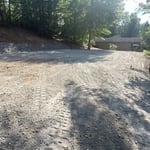
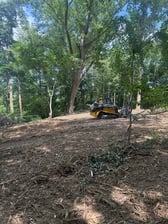
I’m Nathan Atwell, owner of The Weed Wrangler. I specialize in professional-grade land clearing, brush management, and site preparation. With high-performance equipment and a commitment to precision, I help property owners and landlords reclaim overgrown acreage and prepare sites for their next project. Whether you need fence lines cleared or land prepped for development, I provide reliable, efficient service to get the job done right. Let’s get to work!

Showing 1-10 of 41
Arborists FAQs, answered by experts

You can find pruning paints and sealants for trees, but you shouldn’t use them on a topped tree. Coatings like these often inhibit the tree’s healing process. An important exception is if there are dangerous fungi nearby that the tree is particularly vulnerable to, like oaks and oak wilt. Sealing cuts can help prevent fungi from taking root.

Palm trees are unique in that their roots don't grow straight down; they grow horizontally. Typically, palm tree roots go down between 12 and 36 inches deep. The roots grow far and wide from the base of the palm tree to absorb as much water and soil nutrients as possible. In addition, the horizontal roots are also very strong—keeping palm trees stable and helping them sway during storms.

A few signs a tree may be dead is if the leaves are dead and there are no signs of new blooms. You can also perform a scratch test on some of the branches to check the condition of the cambium layer beneath the bark.

If it is green, it is still alive, but if several are dry, brittle, and brown, the tree may be dying or dead. Always consult an arborist before assuming your tree is dead because you may be able to save it.

On grafted trees, tree suckers will grow from the root stock, not the branches grafted onto it. Therefore, the leaves and characteristics of the suckers aren’t the same as the tree because they are different varieties. Root stock has more hardiness, strength, or drought tolerance than its grafted limbs, so if the suckers are from fruit or flowers, it might be different than the main part of your tree.

Trees should be pruned every two to five years, depending on its age and type. Young trees should be inspected and pruned every two to three years. Mature trees should be inspected and trimmed every three to five years, and fruit trees should be pruned annually with a careful eye on seasonal growth. Evergreens typically don’t need pruning, unless branches or limbs are damaged, diseased, or harboring pests.

The Reno, OH homeowners’ guide to arboricultural services

From average costs to expert advice, get all the answers you need to get your job done.