









Top-rated energy efficiency auditors.

Best energy efficiency auditors near Paulding, OH

Enter your zip and get matched with up to 5 pros

Need a pro for your energy efficiency auditing project in Paulding, OH?

Select your specific project to find the pro for you.

Top-Rated Energy efficiency auditors in Paulding - Updated Nov 2026

Avatar for Renewable Engineered Systems
Renewable Engineered Systems
4.7(
12
)
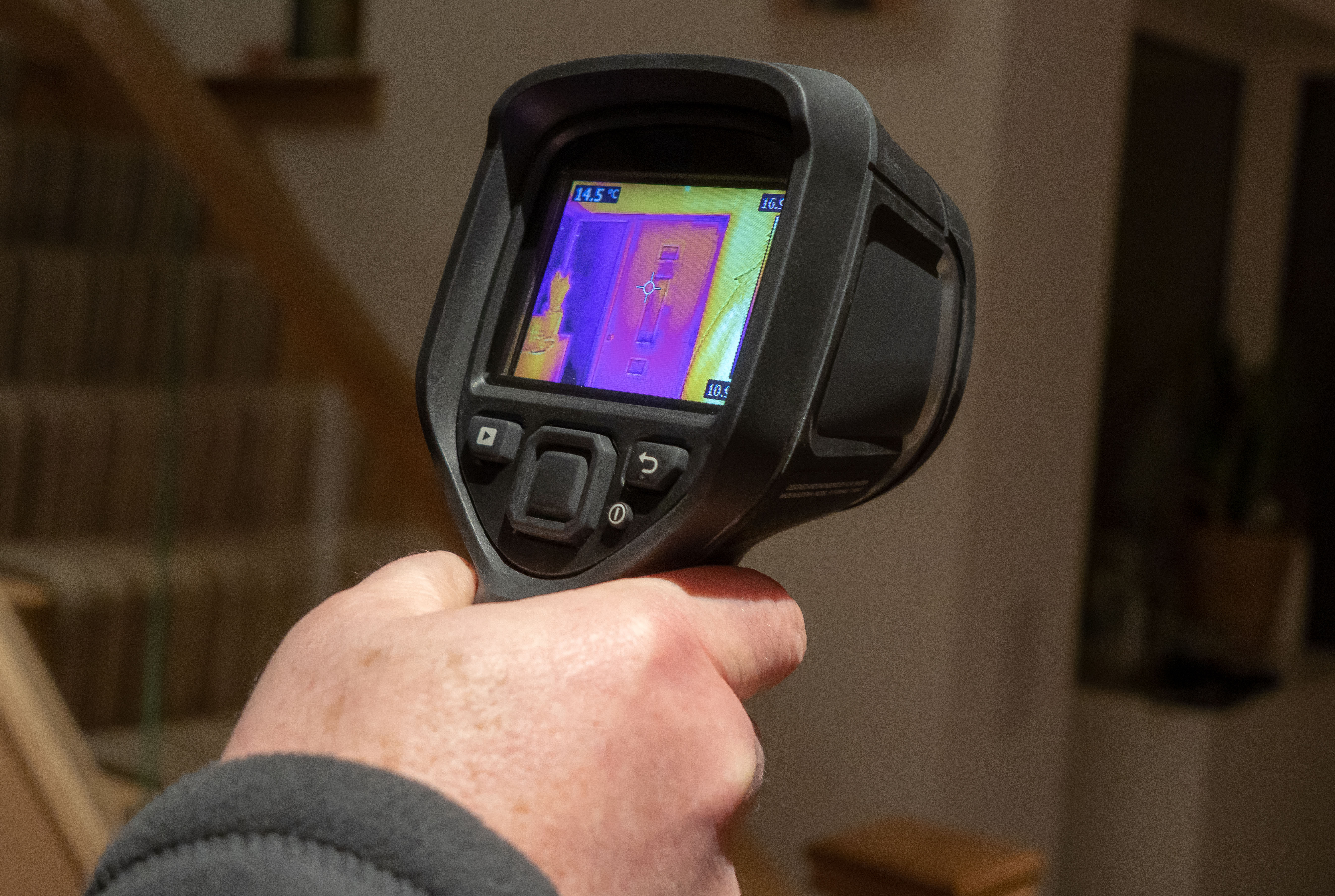
Energy Audit - For BusinessHome Energy Audit

Serving Paulding, OH and surrounding areas

In business since 1998

Free estimates

Emergency services offered

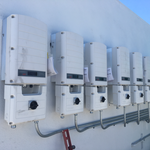
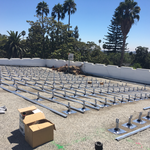
"Wonderful, it was a very quick and easy process. Brian talked us through it and in no time we had a 3KW system mounted on a frame in the garden and the invertor installed in the basement. Brian talked us through working with our power company to get the system checked and approved and we now get credits from the power company for power we provide to the grid. In addition we are set up to get Solar Renewable Energy Credits (SRECs) payments for providing clean energy. We also got a free Energy Audit which helped locate some problems areas we were able to fix. The system has basically cut our energy costs in half. I have hesitation in recommending them to anyone interested in solar energy."

Additional Photos
Additional Photos
Additional Photos
Additional Photos
Additional Photos

+14

Recommended by100%of homeowners

northshore pressure washing
New to Angi
Energy Audit - For BusinessHome Energy Audit

Serving Paulding, OH and surrounding areas

In business since 2011

Free estimates

We are one of the largest energy consulting companies in the country. We offer Free Energy Forcasts to businesses across a wide variety of climate zones. When implemented, our recommendations can consistently save you 17-22% on your energy costs, in the first year. We offer a variety of products, from an all-inclusive fixed product, to a variable option and a hybrid. Call today to see what solutions we can offer you! References are available from very happy clients.

Energy Efficiency Auditing FAQs, answered by experts

Dehumidifiers typically use 300 to 700 watts of electricity per hour, whereas portable dehumidifiers use about 40 watts per hour. The exact amount of electricity your dehumidifier will generate depends on its capacity and energy efficiency. Generally, higher-capacity dehumidifiers generate more electricity than lower-capacity units, but they also usually have better energy efficiency over the long run.

A small sump pump running infrequently uses an average of 10 kilowatt-hours (kWh) of electricity per month. The average cost for electricity is $0.171 per kWh. The size and use frequency affect how much electricity it uses. Sump pumps average one-third to one horsepower (hp) motors. One hp is equal to 745.7 watts. Watts multiplied by the time your pump is running divided by 1,000 equals your average kWh. Multiply kWh by your average cost of electricity. In areas with high rain or a marsh basin, the average cost can be as high as $15-$25 a month.

They’ll use more electricity than the average upright vacuum, but not remarkably more. Most power units plug into a standard 120-volt outlet and don’t have significant power demands. You shouldn’t notice an increase in electricity bills. If you have any specific questions about energy costs, ask your installer as you examine purchase decisions. Larger power units will need more electricity for their suction levels.

The answer is a resounding yes, as dishwashers save significant water and energy compared to washing dishes by hand. The difference is so drastic in fact that those who use energy-efficient dishwashers can expect savings of over $450 per year. This is because dishwashers use less water, they wash at a higher temperature than a hand rinse, and you don’t need to rinse them after washing. New dishwashers use around 4 gallons per load, whereas washing by hand can use up to 2 gallons per minute.

An average, 400-square-foot electric heated driveways consume approximately $3 per hour in terms of electricity. The price may slightly fluctuate depending on your local energy cost. A simple formula to calculate your heated driveway’s total wattage consumption is by multiplying the square footage by 50 watts and then dividing it by 1,000 to get the kilowatt number. Multiply that with your local energy cost per hour and there you have the hourly operating cost.

The Paulding, OH homeowners’ guide to energy efficiency auditing services

From average costs to expert advice, get all the answers you need to get your job done.