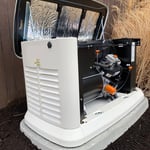









Top-rated generator install pros.

Get matched with top generator install pros in Oxford, OH

Enter your zip and get matched with up to 5 pros

Need a pro for your generator install project in Oxford, OH?

Select your specific project to find the pro for you.

Find Generator install pros in Oxford

Avatar for Generator Advantage LLC
Generator Advantage LLC
5.0(
3
)
Fixed Generator - Install

Serving Oxford, OH and surrounding areas

In business since 2022

Free estimates

Warranties offered

"Generator Advantage was Excellent! They maintained in communication with me on time-line, cost, arrival times of workers, etc. Everyone involved in my project were Punctual & Professional, Especially Eric, his knowledge, pleasant demeanor, and work ethic was MUCH APPRECIATED!"
18kw system
Whole House System
Generac Essential System
Response time2 days
Response rate85%
Recommended by66%of homeowners

Showing 1-10 of 29
Generator Install questions, answered by experts

Yes, in most municipalities, you will need a permit to install a permanent home generator, including emergency backup, partial-home, and whole-home models. Because these installations involve significant alterations to your home's electrical system and produce exhaust fumes, local governments often require a permit or inspection for safety purposes. A generator permit typically costs between $50 and $250, depending on your location. Your electrician or certified installer can usually handle the permitting process for you, but you will be responsible for the cost. It's a good practice to confirm with your installer that they will pull all necessary permits before work begins.

To determine the right size generator for your house, you should calculate the total wattage of the appliances and devices you want to power during an outage. List all essential items, note their start-up wattages, and add them together.

Here are some typical wattage requirements for common appliances:

  • Refrigerator: 600 watts

  • Large dehumidifier: 700 watts

  • Large window air conditioner: 1,400 watts

  • Water heater: 3,000 to 4,500 watts

  • Electric furnace: 5,000 to 25,000 watts

A 7,500-watt generator might be sufficient for essentials like a refrigerator, freezer, well pump, and lighting circuits. However, for high-demand items like a water heater or furnace, a whole-home generator is a better choice. A portable generator may be enough if you only need to power a few critical items.

While home square footage can offer a rough estimate, it is not always a reliable indicator. For reference, here are some typical generator sizes based on square footage:

  • 1,000 sq ft: 6–9 kW

  • 1,500 sq ft: 7–10 kW

  • 2,000 sq ft: 10–14 kW

  • 2,500 sq ft: 12–16 kW

  • 3,000 sq ft: 16–20 kW+

For the most accurate sizing, consult a professional who can calculate your home's peak and average power consumption and recommend the optimal generator.

To reduce AC startup power for a whole-house generator, install a soft start kit or hard start capacitor, which lowers the initial surge by gradually ramping up the compressor. Using a smart load manager can also help by staggering startup loads, preventing a system overload and future costly repairs.

These advanced generators use a key fob or a smartphone app to remotely start, which is ideal for getting power back on immediately without venturing outside. This feature is more common on whole home generators, but you may be able to find it on large portable generators, too.

While the rating will tell you how many watts the refrigerator needs at the peak of its cycle, it requires additional wattage to start. At the bare minimum, you’ll need a 1,500-watt generator to get the fridge up and running after a blackout. A 2,000-watt generator should be sufficient for most home refrigerators.

The Oxford, OH homeowners’ guide to generator installs

From average costs to expert advice, get all the answers you need to get your job done.