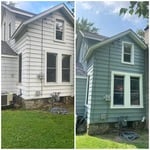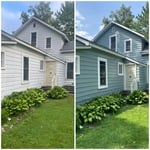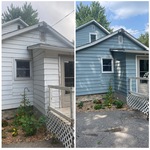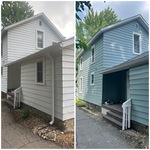





Top-rated deck maintenance specialists.

Get matched with top deck maintenance specialists in Montpelier, OH

Enter your zip and get matched with up to 5 pros

Need a pro for your deck maintenance project in Montpelier, OH?

Select your specific project to find the pro for you.

Find Deck maintenance specialists in Montpelier

Avatar for AW Technologies
AW Technologies
5.0(
14
)
Deck, Fence, Patio or Porch - Clean and SealDeck, Fence, Patio or Porch - Clean and Seal - For Business

Serving Montpelier, OH and surrounding areas

In business since 2020

Free estimates

Offers commercial services

"Mr Anthony was very professional. The work was to fix deck floor boards. He was on on time and the work was completed with the time specified. I would highly recommend his company to anyone. His work was outstanding."
Van
Van
Van
mobile homes
mobile homes

+15

Response time9 hrs
Response rate96%
Recommended by100%of homeowners

Showing 1-10 of 23
Deck Maintenance questions, answered by experts

Most building codes require that railing spindles (also known as balusters) on decks or stairs be spaced no more than four inches apart. This safety standard is often called the '4-inch sphere rule,' which means a sphere with a 4-inch diameter should not be able to pass through the opening between balusters. This rule is in place to prevent small children and pets from slipping through the railing. For the same reason, the space between the bottom rail and the deck or floor surface should also be no more than four inches. As a general guideline, professionals often install three balusters per foot of railing. However, since specific requirements can vary by location, it is essential to check your local building codes to ensure compliance before starting your project.

Rot loves moisture, so deck rot typically impacts the parts of a board that stay wet. This includes the underside of boards, in addition to support posts and joists. However, any part of a board can rot, given the right conditions. 

What goes under your floating deck depends on your preferences. Some homeowners put landscaping fabric underneath their decks to prevent weeds from popping up through the boards. Others choose to build a floating deck over grass or gravel. However, it’s best not to set your deck directly on the ground. Instead, set your deck on blocks to keep it elevated enough to prevent moisture from rotting the wood.
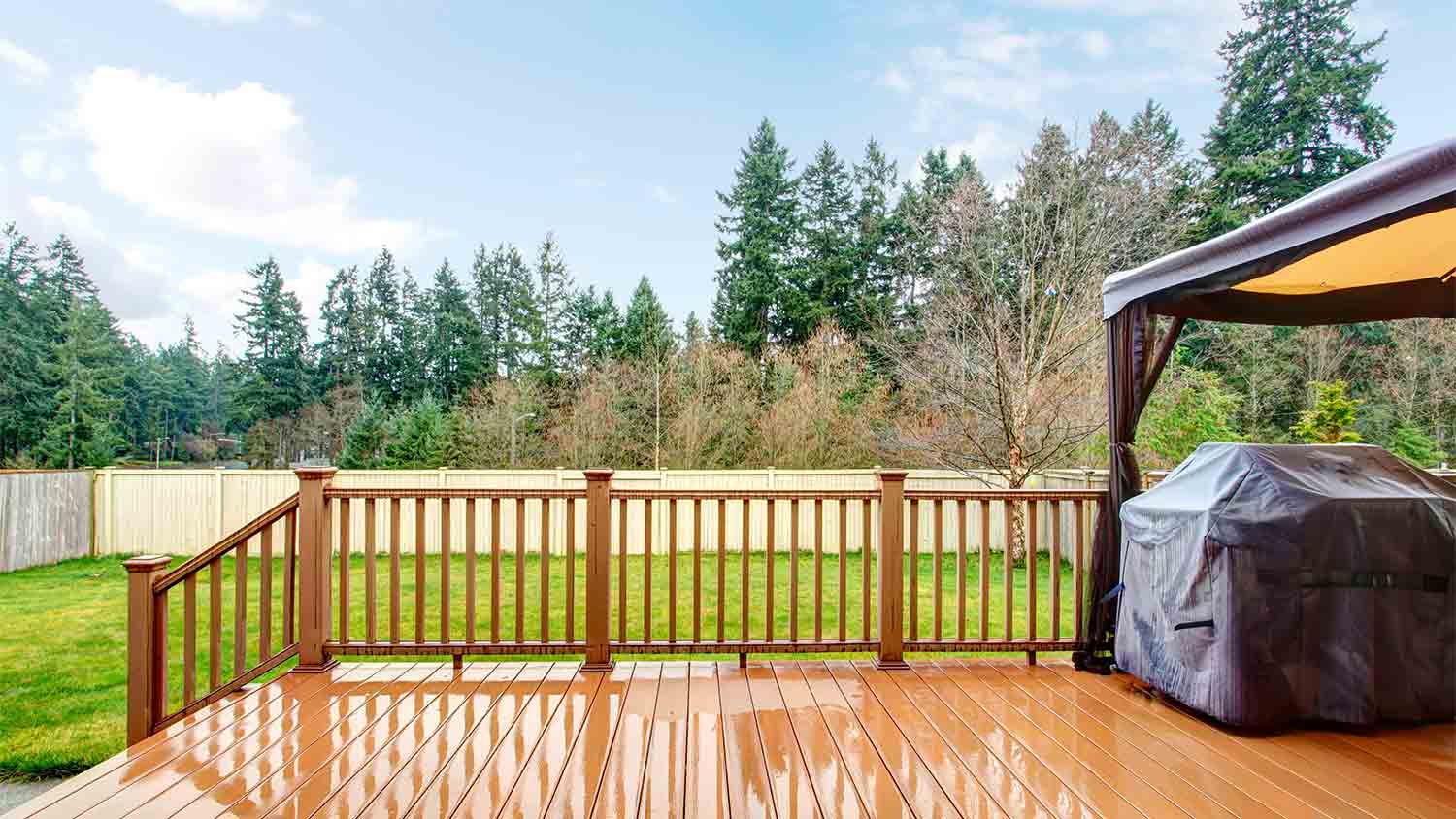
The best base materials for a ground-level or floating deck are typically gravel and crushed stone (also known as landscaping rocks). These options are inexpensive, provide excellent drainage, prevent weeds, and help minimize moisture buildup, which reduces shifting and rotting. For added stability and to evenly distribute the weight, you can use concrete deck blocks or pavers. While more expensive, concrete blocks and pavers offer a sturdier base than gravel or crushed stone alone.

Cold temperatures can make your deck boards contract. If they don’t contract evenly, they can put pressure on the deck screws and cause them to pop out, making a noticeable sound. Winterizing your deck can help prevent this from happening.

The Montpelier, OH homeowners’ guide to deck maintenance services

From average costs to expert advice, get all the answers you need to get your job done.