




Top-rated deck maintenance specialists.

Get matched with top deck maintenance specialists in Pioneer, OH

Enter your zip and get matched with up to 5 pros

Need a pro for your deck maintenance project in Pioneer, OH?

Select your specific project to find the pro for you.

Find Deck maintenance specialists in Pioneer

Always Dynamic
New to Angi
Deck, Fence, Patio or Porch - Clean and Seal

Serving Pioneer, OH and surrounding areas

In business since 2016

Free estimates

We are dedicated to providing our clients with the very best in house painting and stain work. With over 15 years of experience, we take an enormous amount of pride in the attention of detail put into each of the projects we are involved in. We are known for our quality work and the integrity of our business practices. We look forward to building long-term relationships with our clients and guarantee your satisfaction. Call us today for a quote!

GOOD O BOYZ
New to Angi
Deck, Fence, Patio or Porch - Clean and SealDeck, Fence, Patio or Porch - Clean and Seal - For Business

Serving Pioneer, OH and surrounding areas

Free estimates

Emergency services offered

Specializing in tree service! We always guarantee your satisfaction and won’t leave until the job is done right. We take pride in ourselves and on the quality work we provide, while always delivering great customer service! Check out our services offered, then call --or-- click to schedule a free estimate today!

Additional Photos
Additional Photos
Additional Photos
Additional Photos
Showing 1-10 of 25
Deck Maintenance questions, answered by experts

Yes, Ipe is more expensive than Trex decking—both in terms of materials and installation (plus, Ipe trees are endangered). On average, Ipe decking costs $10 to $25 per square foot, while Trex decking costs $5 to $12 per square foot. Because Ipe is harder to work with, the price of installation is higher, too. For Ipe decking, you’ll pay between $20 and $45 per square foot for labor. However, with Trex decking, the labor costs range from $8 to $22 per square foot.

While the terms deck and porch are often used interchangeably, they are two distinct structures. A porch is a covered structure, usually attached to the front of a home, that offers protection from the elements. In contrast, a deck is an open, uncovered platform, often attached to the back or side of a home. Because porches have a roof, they typically require less maintenance than decks, but both features need regular cleaning and repairs to stay in good condition.

The choice between Trex, a brand of composite decking, and PVC decking depends on your priorities regarding budget, appearance, and environmental impact. Both materials are durable and resistant to moisture and insects. Trex is often considered more eco-friendly because it contains recycled wood and plastic and is 25% recyclable, while PVC is fully synthetic and harder to recycle. Aesthetically, Trex is designed to look more like real wood, whereas PVC often has a glossier, more plastic-like finish. In terms of cost, Trex is typically less expensive than PVC.

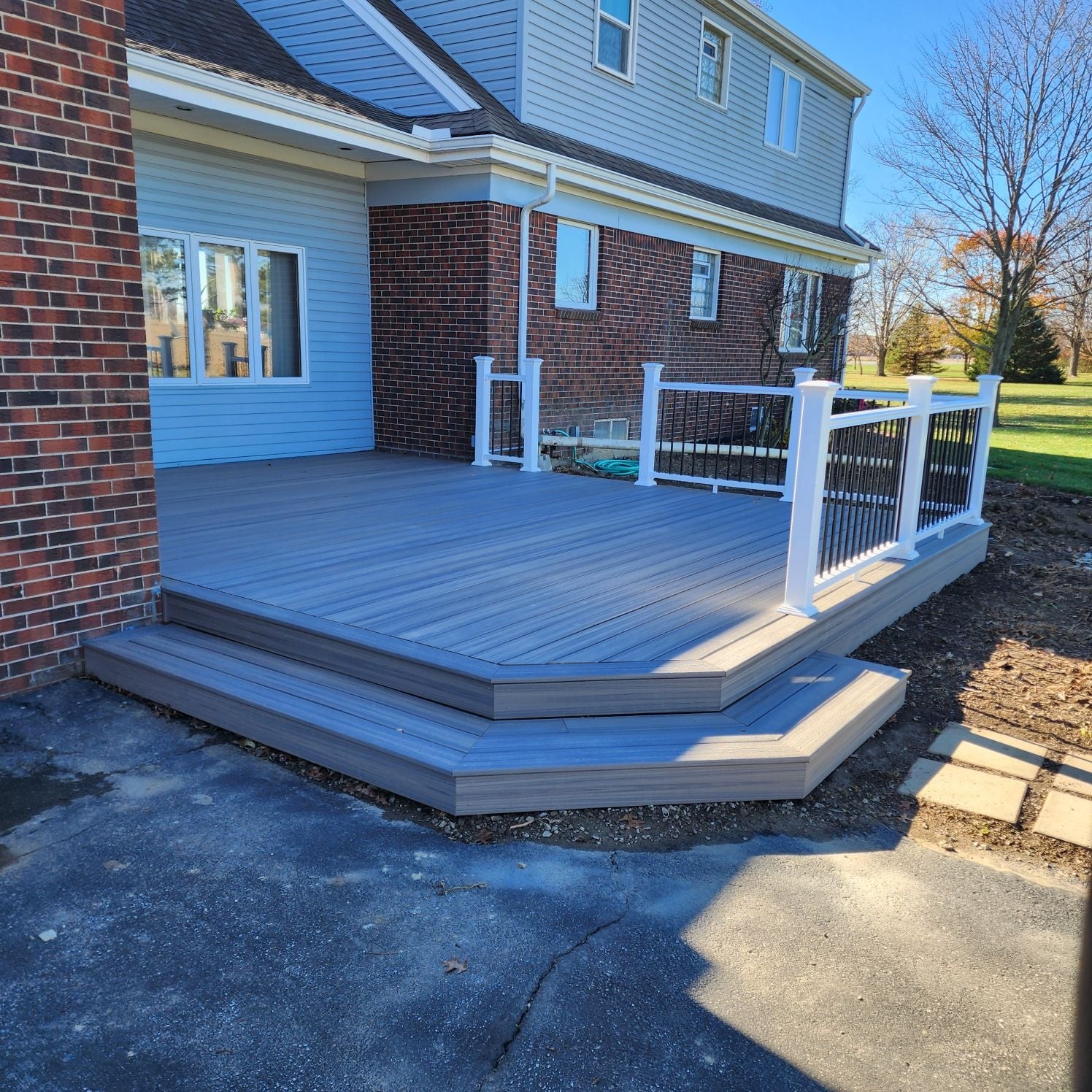
Building codes for deck railings can vary by location, so it's important to consult your local regulations before construction. Generally, a guardrail is required for any deck that is more than 30 inches above the ground.

For residential properties, the standard minimum height for a deck railing is 36 inches. However, some states and municipalities have stricter requirements; for example, California and Washington mandate railings that are at least 42 inches high. Therefore, a 42-inch railing is not considered too high and may be required in your area or chosen voluntarily for additional safety.

In addition to height requirements, codes also specify other safety features, such as the maximum spacing between balusters to ensure they are close enough to prevent a child from squeezing through.

Liquid rubber is great for waterproofing, but it can damage your deck if it’s not applied correctly. First, it can trap moisture in the wood if the deck isn’t completely dry before application.  Second, applying it too thickly can create a heavy, rubbery surface layer that peels and cracks under fluctuating temperatures. For the best results, ensure the wood is completely dry before application, and apply the liquid rubber in thin, even coats. A quick inspection every now and then will help you catch any issues early, keeping your deck protected and looking its best.

The Pioneer, OH homeowners’ guide to deck maintenance services

From average costs to expert advice, get all the answers you need to get your job done.