




Top-rated radon detection and reduction specialists.

Get matched with top radon detection and reduction specialists in Fostoria, OH

Enter your zip and get matched with up to 5 pros

Need a pro for your radon detection and reduction project in Fostoria, OH?

Select your specific project to find the pro for you.

Find Radon detection and reduction specialists in Fostoria

Avatar for Security First Home Inspections & Remediation
Security First Home Inspections & Remediation
4.8(
9
)

Serving Fostoria, OH and surrounding areas

Free estimates

Credit card accepted

"Scott was very professional and timely! He got our inspection done as soon as we needed it and we had a report in hand that day. He was very meticulous and even pointed out things that mandatory as far as the actual home inspection goes. The price couldn't have been better and for no extra charge he was able to tell us if there were and pest problems. He found some mold in our attic as well and we will be hiring him to remediate it because he did such an awesome job with our inspection!"
Additional Photos
Additional Photos
Additional Photos
Additional Photos
Additional Photos

+2

Recommended by100%of homeowners
Radon Detection and Reduction questions, answered by experts

Mitigation can take several days depending on home setup, equipment accessibility, and achieving effective diffusion system sealed efficiency.

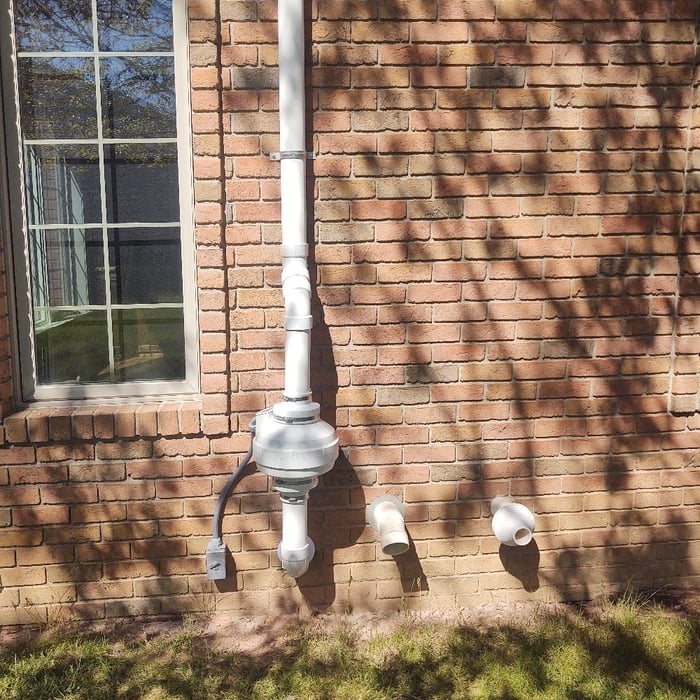
Your radon fan needs to operate 24/7 to be effective. The only time the fan isn't operating is during its replacement. Radon levels in the home can increase within hours if the fan stops working or something obstructs the stack vent. Fortunately, radon systems require no downtime maintenance between fan changes.

Keeping radon from getting into your home is much better than having to get rid of it once it's already indoors. While there may not be a way to fully prevent radon from getting into your home, there are things you can do to reduce the gas's ability to enter. 

Sealing foundation cracks and openings can help keep the gas from seeping inside. Improving air flow, such as by opening windows, can also be helpful. If you're building your home from scratch, talk to your contractor about using radon-resistant construction to keep the gas out.

While DIY testing is possible, abatement generally requires professional installation to ensure efficacy and meet safety standards.

The soil beneath your house is most likely what’s causing an increased level of radon. This is because soil holds radioactivity for a long time and it’s also what most buildings are built on. Another common source of radon is water from a source that hasn’t been through periodic radon tests, such as well water. Over time, the radon from the soil can inhabit other parts of your house like the foundation or plumbing.

The Fostoria, OH homeowners’ guide to radon detection and reduction services

From average costs to expert advice, get all the answers you need to get your job done.