






Top-rated generator install pros.

Get matched with top generator install pros in Coldwater, OH

Enter your zip and get matched with up to 5 pros

Need a pro for your generator install project in Coldwater, OH?

Select your specific project to find the pro for you.

Find Generator install pros in Coldwater

Avatar for Ryan Benroth
Ryan Benroth
5.0(
9
)

Serving Coldwater, OH and surrounding areas

Approved

Free estimates

Emergency services offered

Small jobs welcome

"Ryan is a courteous professional who did a great job on all the issues I needed to have corrected and or completed. He is efficient and reasonable in pricing. I would definitely hire him again !"
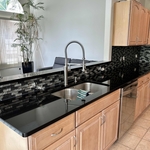
Kitchenette
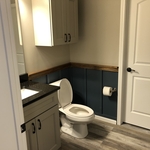
1/2 Bath Install
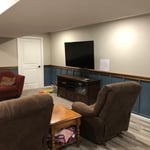
Home theater installation
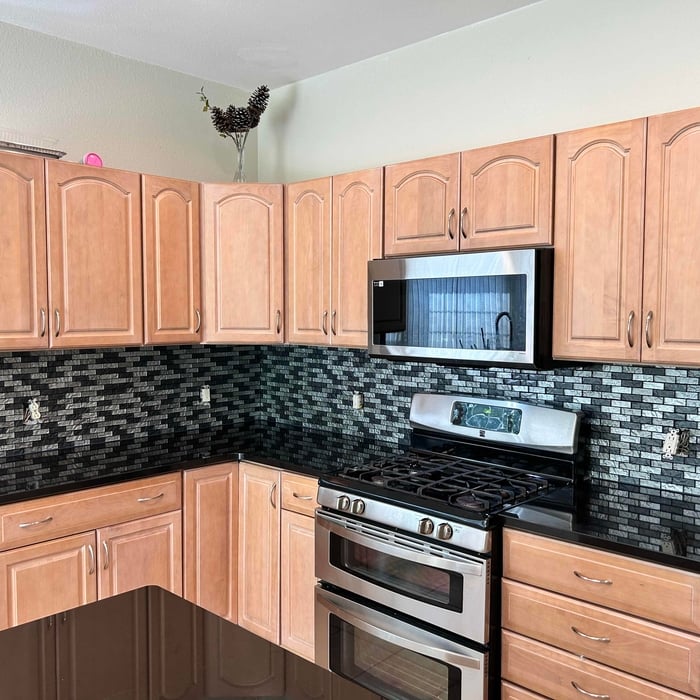
Tile Backsplash Install

+1

44 neighbors recently requested a quote
Avatar for CRC Renovations
CRC Renovations
3.3(
10
)

Serving Coldwater, OH and surrounding areas

In business since 2016

Free estimates

"They presented a quote, they were on time, they did a great job, they showed respect for my property, as well with me . I will hire them again, in the near future for other work."
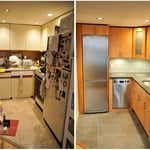
Before and After of kitchen Remodel
garage door install
garage door install
garage door install
Response time2 days
Recommended by83%of homeowners
Big Patriot Home Remodeling
New to Angi

Serving Coldwater, OH and surrounding areas

In business since 2020

Free estimates

Emergency services offered

Big Patriot Home Remodeling is committed to excellence in every aspect of our business. We uphold a standard of integrity bound by fairness, honesty, and personal responsibility. Our distinction is the quality of service we bring to our customers. Accurate knowledge of our trade combined with ability is what makes us true professionals. Above all, we are watchful of our customers' interests and make their concerns the basis of our business.

Response time20 mins
Generator Install questions, answered by experts

Generally, you’ll want to keep between 60 and 70 feet between the generator and the transfer switch. There are a few reasons for this, including:

  • The distance reduces the noise coming from the generator into your home.

  • It increases efficiency because you won’t have a voltage drop from this short of a distance.

  • Prevents carbon monoxide poisoning: keep at least 15 feet between your generator and an open window. 

Yes, installing a generator usually increases your property value because buyers are getting the added peace of mind knowing they’ll be able to maintain power through blackouts. In most cases, you should see close to a 100% return on investment (ROI). Keep in mind that home generators usually need a permanent foundation, and installing a concrete slab will likely raise your property taxes slightly.

In most municipalities, you will need a permit to install a permanent home generator, including emergency backup, partial-home, and whole-home generators. A permit for a generator usually costs between $50 and $250, depending on where you live. Your electrician or certified generator installer will usually pull the permit for you—and might be required to do so by your building department—but you’ll be on the hook for the cost of the permit. You should ask your installer before agreeing to any work if they will pull the necessary permits for your project.

To determine the right size generator for your house, you should calculate the total wattage of the appliances and devices you want to power during an outage. List all essential items, note their start-up wattages, and add them together.

Here are some typical wattage requirements for common appliances:

  • Refrigerator: 600 watts

  • Large dehumidifier: 700 watts

  • Large window air conditioner: 1,400 watts

  • Water heater: 3,000 to 4,500 watts

  • Electric furnace: 5,000 to 25,000 watts

A 7,500-watt generator might be sufficient for essentials like a refrigerator, freezer, well pump, and lighting circuits. However, for high-demand items like a water heater or furnace, a whole-home generator is a better choice. A portable generator may be enough if you only need to power a few critical items.

While home square footage can offer a rough estimate, it is not always a reliable indicator. For reference, here are some typical generator sizes based on square footage:

  • 1,000 sq ft: 6–9 kW

  • 1,500 sq ft: 7–10 kW

  • 2,000 sq ft: 10–14 kW

  • 2,500 sq ft: 12–16 kW

  • 3,000 sq ft: 16–20 kW+

For the most accurate sizing, consult a professional who can calculate your home's peak and average power consumption and recommend the optimal generator.

An undersized whole-house generator has the potential to overheat and shut down when you try to run a central AC system. This scenario can not only damage the whole-house generator, but can also trip your home’s breakers or cause electrical damage. To avoid this situation, hire a local generator installer to correctly size your whole-house generator.

The Coldwater, OH homeowners’ guide to generator installs

From average costs to expert advice, get all the answers you need to get your job done.