"Chuck the owner was awesome!! He showed up on schedule and checked out the whole system before making any suggestions or repairs. Chuck could have pushed for a new expensive system but said a repair would be just fine. I appreciate his honesty and professionalism. He knew exactly what to do with my situation. I would highly recommend Chuck for repairs or new installation because he knows what he is doing and he has integrity."
"Chuck with Columbus Central Vacuum was prompt to the appointment to service my vac system and brought parts as requested. Work was thorough and described what I might expect with my 30 plus vac system. Thank you Chuck!"
"Task was to update a 50 yr old central vac system in a 100 yr old house. Contractor successfully met every challenge this job presented; I'm confident he could perform any lesser task with equal skill. Highly recommended"
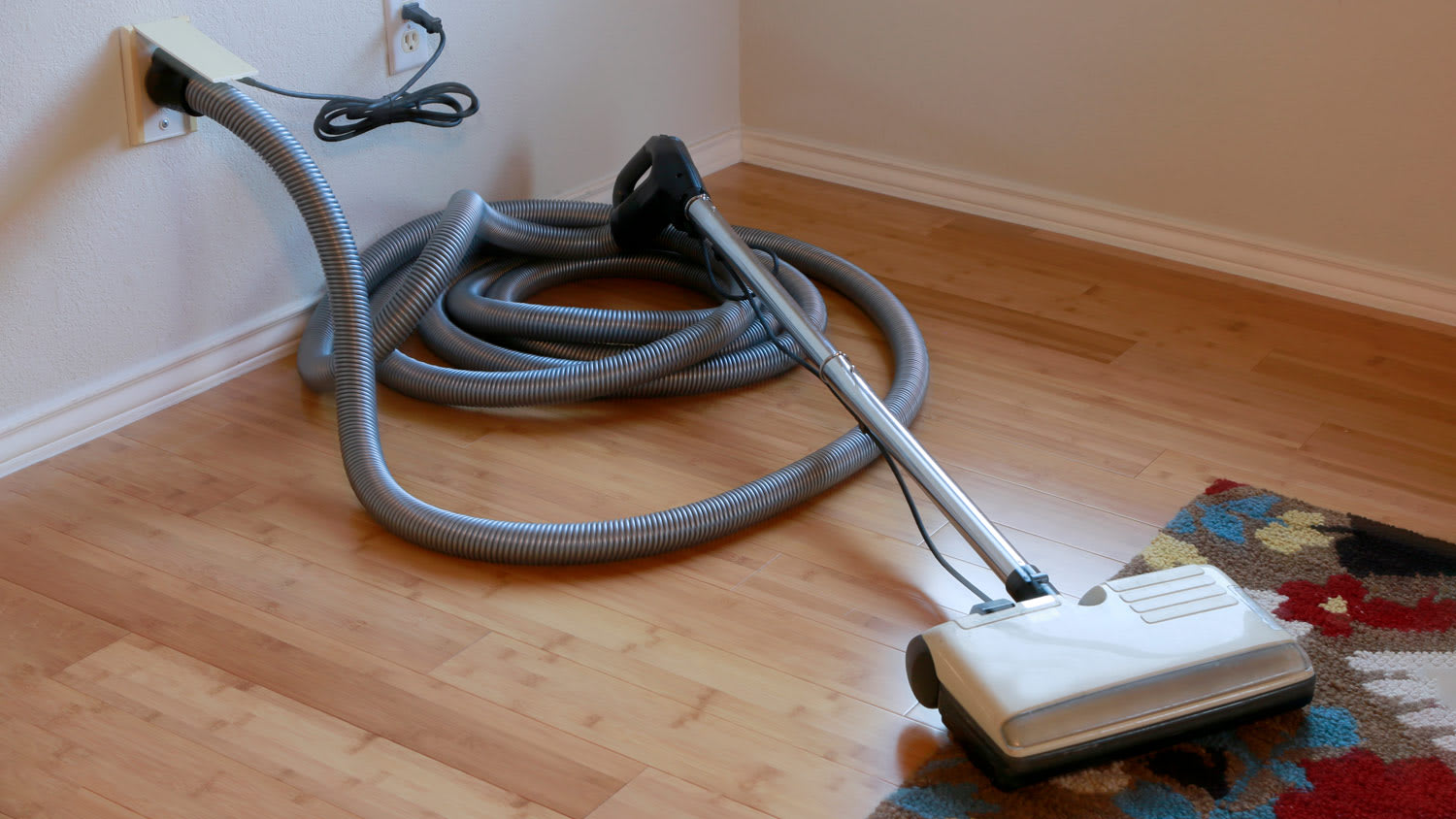
The disadvantages associated with central vacuums start with cost. They are expensive to install, especially in existing homes, as retrofitting requires opening walls. The system's bulky hoses can also be inconvenient to maneuver and store compared to portable vacuums. Additionally, repairs may need professional service, adding to maintenance costs. Lastly, while powerful, they may be overkill for smaller homes or apartments, making the investment less practical for some households.
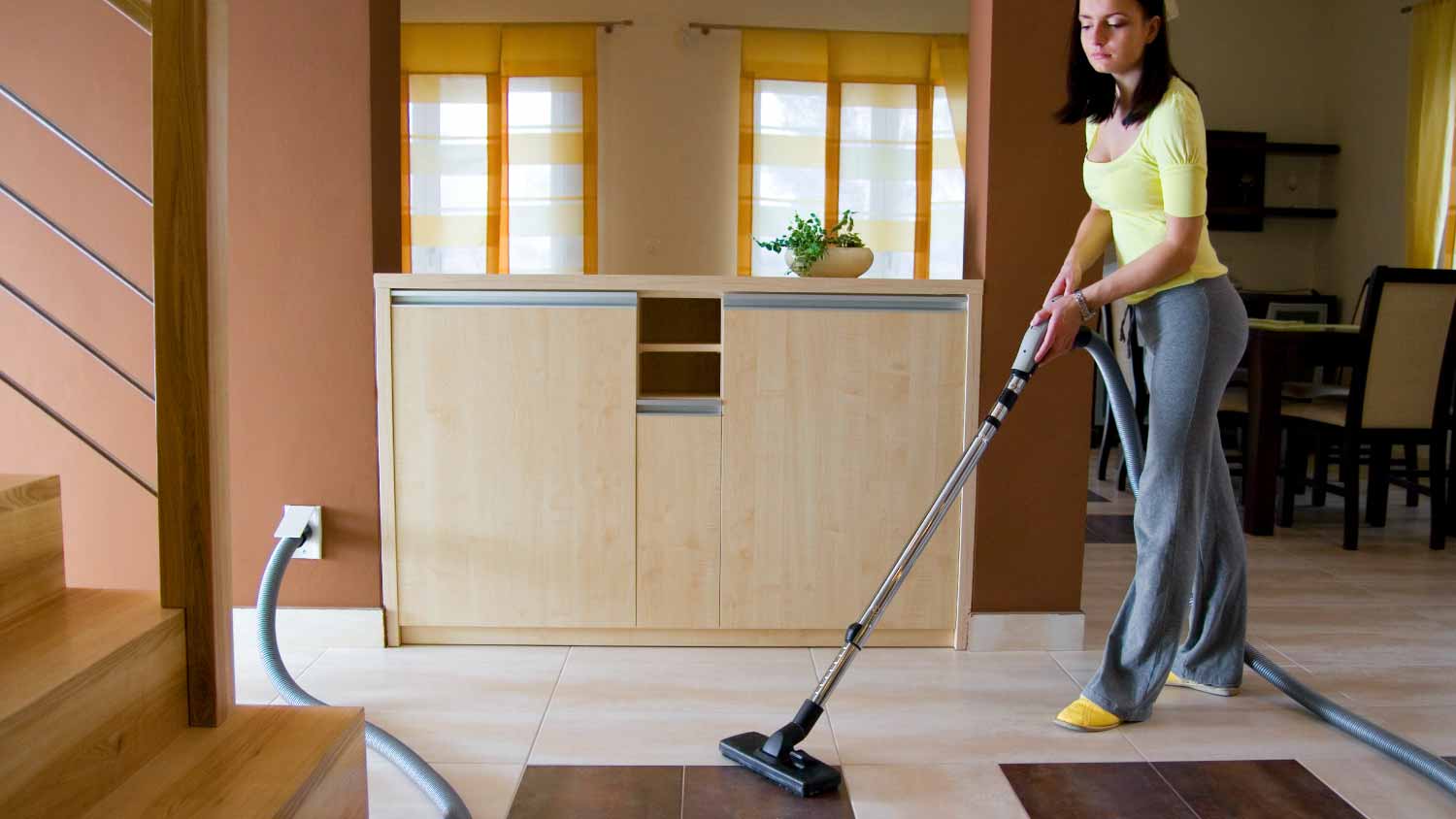
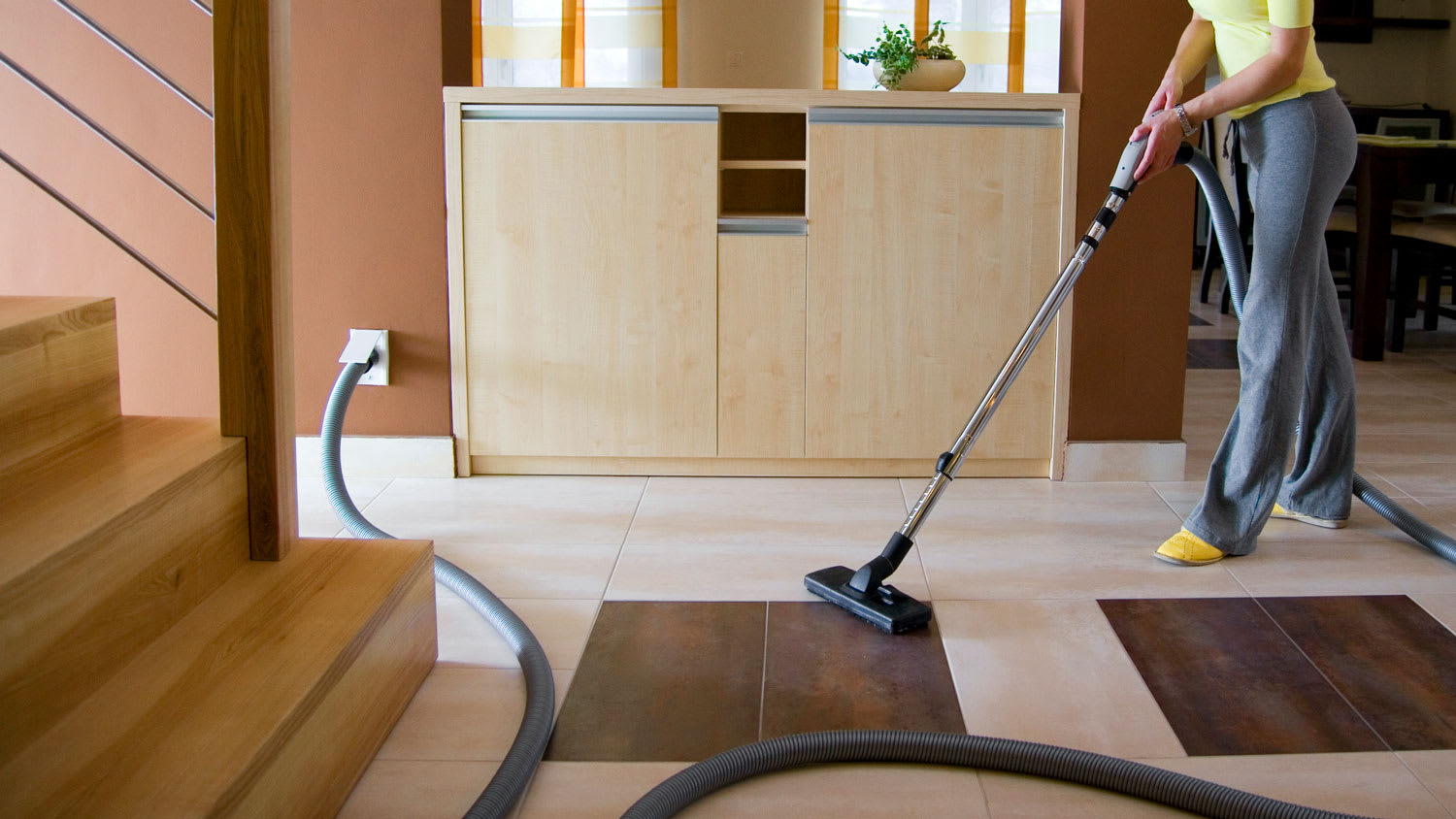
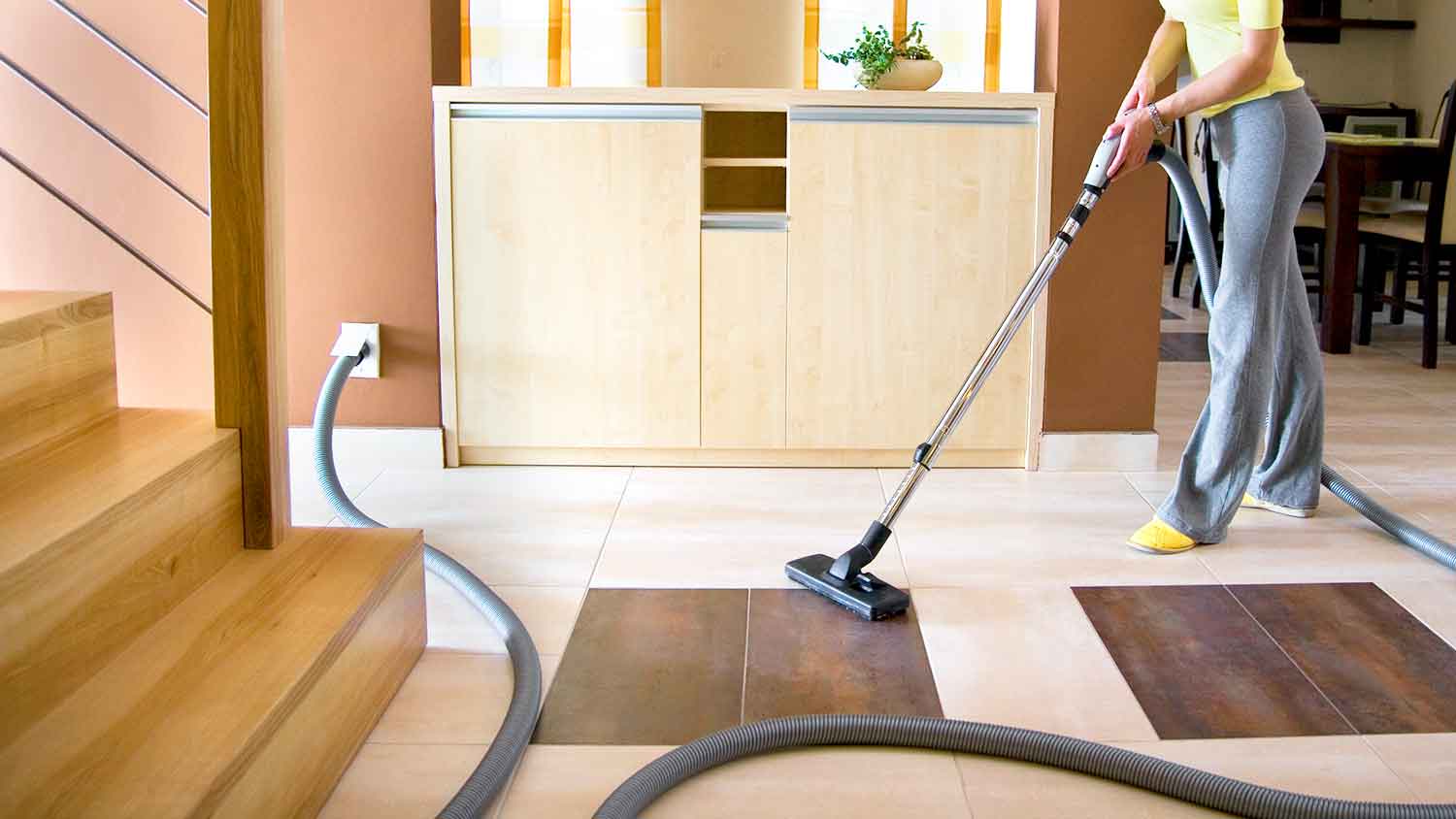
A central vacuum system can be a worthwhile investment depending on your needs and budget. While the upfront cost is higher than a traditional vacuum cleaner, it offers significant long-term benefits. These systems can save you time and make cleaning your home easier, as you only need to carry the hose and vacuum head, eliminating the need to lug a heavy unit up and down stairs. They also tend to operate more quietly and can improve indoor air quality. The convenience and performance over many years may make it a valuable addition to your home if you can budget for the initial installation.
Maintaining your central vacuum cleaner is crucial to extending its lifespan. Ensuring the filter is cleaned or changed often is vital to ensuring clogs don’t impact your motor. In addition, inspecting motor brushes regularly and lubricating the engine when needed helps keep it in tip-top shape. Finally, cleaning the central vacuum hose of dirt and debris helps keep clogs at bay, especially if you’ve vacuumed something wet or sticky.
If your central vacuum has lost suction, you probably have a clog in the system. You can remove a clog yourself using a portable vacuum cleaner or central vacuum maintenance sheets. Stubborn clogs or damage to the system require a specialized technician to repair.
Whether talking about a whole-house central vacuum or a portable vacuum cleaner, the expected cost of major repair work should always be balanced against its replacement cost. However, excluding high-cost motor replacements or major electrical trouble, repairs on a central vacuum system are typically far less than the cost of purchasing and installing a new one.
The Coldwater, OH homeowners’ guide to central vacuum system services
From average costs to expert advice, get all the answers you need to get your job done.
Get transparent information on central vacuum repair costs. Learn what impacts price, compare repair types, and see how to save on your central vacuum repair.
What is a central vacuum system? It can enhance your cleaning efficiency with ease—but is it right for your home? Learn pros, cons, installation costs, and more to make your decision.
A central vacuum system is a strong, durable, and effective alternative to traditional vacuums. Use this guide to determine whether or not a central vacuum is right for your home.
Find the best central vacuum service repair pro for your home. Learn what questions to ask, qualifications to check, and how to hire a reputable technician.