


Top-rated drywall pros.

Get matched with top drywall pros in Cloverdale, OH

Enter your zip and get matched with up to 5 pros

Need a pro for your drywall service project in Cloverdale, OH?

Select your specific project to find the pro for you.

Find Drywall pros in Cloverdale

Aquino & Sons Drywall LLC
5.0(
6
)

Serving Cloverdale, OH and surrounding areas

Approved

In business since 2019

Free estimates

Credit card accepted

Aquino & Sons Drywall LLC is proud to be locally owned and operated. We pride our company on reliability, great communication, integrity, and quality work. We are experts in our trade and will do our best to keep you as educated as we can on your particular task or project. Call on us today. We look forward to earning your business!

Recommended by60%of homeowners

Avatar for Ryan Benroth
Ryan Benroth
5.0(
9
)

Serving Cloverdale, OH and surrounding areas

Approved

Free estimates

Emergency services offered

Small jobs welcome

"Ryan is a courteous professional who did a great job on all the issues I needed to have corrected and or completed. He is efficient and reasonable in pricing. I would definitely hire him again !"
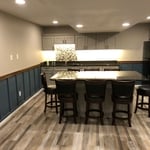
Kitchenette
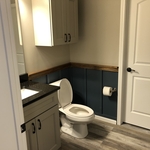
1/2 Bath Install
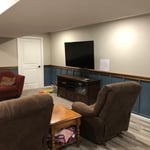
Home theater installation
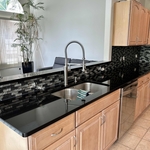
Tile Backsplash Install

+1

55 neighbors recently requested a quote
Avatar for JT Handyman Services
JT Handyman Services
4.3(
32
)

Serving Cloverdale, OH and surrounding areas

Approved

In business since 1995

Free estimates

Customers say: Quick response

"Josh was very professional, organized, and a great communicator. We will definitely contact him for other projects and have recommended him to others."
Response time1 day
4 neighbors recently requested a quote
Recommended by100%of homeowners
...
Showing 1-10 of 67
Drywall questions, answered by experts

Although they have similar applications, spackle and joint compound are not the same. Their primary differences lie in their composition, consistency, and ideal use cases.

Spackle is composed of gypsum and binding agents, making it thicker than joint compound. It dries quickly and is easy to sand, which makes it ideal for small wall repair projects like filling nail holes or patching minor damage.

Joint compound, also known as drywall mud, consists of limestone and gypsum. It is primarily used for large-scale projects, such as taping and finishing the seams on newly installed drywall. It tends to shrink more than spackle and can be more difficult to spread.

While both products can be used to fill small depressions and cracks, spackle cannot replace joint compound for taping and mudding new drywall. Conversely, you can often use joint compound for small patching jobs typically done with spackle.

Whether a drywall anchor can be reused depends on its material, type, and the method of removal. Plastic anchors, including expansion and self-drilling types, are generally designed for single use as they tend to break or deform upon removal. Metal anchors, such as toggle bolts, are more durable and may be reusable if they are not damaged during extraction. However, with toggle bolts, the toggle piece can fall into the wall cavity when the bolt is removed, making it difficult to retrieve. If an anchor is damaged during removal, for instance by having its head cut off, it cannot be reused regardless of the material.

In most cases, no, you won’t need a permit to replace drywall. If you’re changing the floorplan of your home by adding or removing walls during the drywall project, then you might need a permit, but replacement or repairs usually doesn’t require a permit. Your drywall professional should be able to confirm whether or not a permit is required for your project. If it is, it’s likely to add between $50 and $150 to your total cost. Keep in mind that you will need permits if you plan to install new electrical wiring or plumbing lines behind your new drywall.

To maintain plaster walls, inspect them regularly for cracks and seal them early. Clean the walls by dusting regularly or using a gentle, damp cloth. It's also important to avoid moisture exposure. Repainting as needed will help maintain the wall's appearance and longevity.

You should always hang drywall from the top down. Starting at the top makes it easier to create a straight, tight line between the ceiling and the wall. Any gaps that occur will be at the bottom, where they are easier to manage. You can either cut the bottom piece of drywall to fit the remaining space or cover the gap with baseboard trim. Additionally, starting at the top is physically easier, as you won't have to fit the top sheet into a tight space between the lower sheet and the ceiling, or try to balance the upper sheets on the lower ones while securing them.

The Cloverdale, OH homeowners’ guide to drywall services

From average costs to expert advice, get all the answers you need to get your job done.