



Top-rated fire pit installation pros.

Best fire pit installation pros near Bellville, OH

Enter your zip and get matched with up to 5 pros

Need a pro for your fire pit installation project in Bellville, OH?

Select your specific project to find the pro for you.

TRUSTED BY BELLVILLE, OH HOMEOWNERS

  • Average homeowner rating star icon4.5
    Average homeowner rating
  • Verified reviews icon68
    Verified fire pit installation services reviews

Top-Rated Fire pit installation pros in Bellville - Updated Nov 2026

Avatar for Triple J Home Services
Triple J Home Services
5.0(
1
)
Handyman for Multiple Small Projects

Serving Bellville, OH and surrounding areas

Approved

Free estimates

Emergency services offered

Warranties offered

"Joe was very easy to work with and responded to all of my questions and concerns. He did three projects, remove half bath in the basement, repair plaster wall that was damaged by a roof leak, and did a bathroom refresh which included installing the new sink and medicine cabinet it. I would recommend him for projects such as these. His prices were fair and he showed up when he said he would."
2 neighbors recently requested a quote

Avatar for BuildReady construction
BuildReady construction
New to Angi
Handyman for Multiple Small Projects

Serving Bellville, OH and surrounding areas

Approved

​BuildReady is a full-service construction and handyman company based in Columbus, Ohio, \nWe bridge the gap between heavy-duty construction and precision home repairs, offering a "one-stop-shop" solution for homeowners and commercial property managers alike.

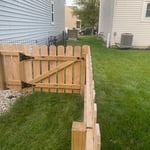
Fence building
Fence building
Backyard concert
Backyard concert
...
Showing 1-10 of 122
Fire Pit Installation FAQs, answered by experts

Certified fire door inspectors should inspect fire doors. These professionals receive training to specifically assess the condition, functionality, and compliance of fire doors. They often hold credentials from groups like the Door and Hardware Institute (DHI) or the International Fire Door Inspector Association (IFDIA). While fire marshals won’t usually do hands-on inspections, they’ll check that doors are being maintained properly during routine safety audits. If a building relies on fire doors for code compliance, it needs someone who understands the details—the difference between a cosmetic issue and a safety failure—and standards to sign off with confidence.

Although no heating appliance can be entirely risk-free, a fireplace insert is considered a safer alternative to a traditional open fireplace, thanks to their enclosed design. With a sealed combustion chamber, a fireplace insert effectively reduces the risk of sparks and embers escaping into the room, minimizing the chance of an accidental fire.

Additionally, an insert comes equipped with various safety features, such as tempered glass doors that create a barrier between the flames and the surrounding space. This enhances both safety and energy efficiency by preventing heat loss. As an added bonus, many inserts are designed to meet strict safety standards that ensure proper ventilation and combustion.

Yes, a faulty or broken light switch can be a serious fire hazard. Malfunctioning switches often result from loose wiring, exposed connections, or other electrical problems that can cause overheating or sparking. Warning signs include crackling, popping, or hissing sounds when you flip the switch, which indicates live electricity that could ignite nearby flammable materials. If you suspect your light switch is faulty, immediately turn off the power at the circuit breaker and contact a qualified electrician to remedy the issue.

No. Pellet stoves are specifically designed to burn manufactured wood or biomass pellets. Attempting to burn other materials, such as regular firewood or paper products, can damage the stove, compromise its efficiency, and even pose safety hazards due to inconsistent combustion and increased emissions. It's crucial to follow manufacturer guidelines and only use pellets that are specifically recommended for your pellet stove model to ensure safe and optimal performance over its life span.

Generally, an oil furnace is considered safer than a gas furnace for several reasons. While both types of furnaces can produce carbon monoxide, a leak in an oil furnace is easier to detect due to the smell. Oil furnaces also don't connect to a gas pipeline, which reduces the chance of a fuel leak. Most importantly, heating oil is not combustible, whereas natural gas is highly flammable. This means there is a much lower risk of combustion or explosion with an oil furnace. However, an oil furnace can still pose a fire hazard if it tips over.

The Bellville, OH homeowners’ guide to fire pit installation services

From average costs to expert advice, get all the answers you need to get your job done.