





Top-rated grill assembly pros.

Best grill assembly pros near Warsaw, NY

Enter your zip and get matched with up to 5 pros

Need a pro for your grill assembly project in Warsaw, NY?

Select your specific project to find the pro for you.

Top-Rated Grill assembly pros in Warsaw - Updated Nov 2026

Joel Gibney
New to Angi
Handyman for Multiple Small Projects

Serving Warsaw, NY and surrounding areas

Approved

Small jobs welcome

I have been in the construction and carpentry field for 25 years. I have a degree in home inspections and I have hands on experience with just about everything to do with building a house from the ground up. I enjoy building and making crafts in my free time and I have done that since high school. I take alot of pride in every job I do and always do a job the way id do it if it were my own.

Avatar for Bravestone construction
Bravestone construction
New to Angi
Handyman for Multiple Small Projects

Serving Warsaw, NY and surrounding areas

Approved

Free estimates

Emergency services offered

Warranties offered

At Bravestone Construction, we provide reliable, high-quality construction and maintenance services for both residential and commercial clients. Our team is built on integrity, skilled craftsmanship, and a commitment to getting every job done right.\n\nFrom home improvements to commercial projects, we focus on efficiency, clear communication, and lasting results—no matter the size of the job.\n\nConsistency in service. Confidence in every result.\n

1 neighbors recently requested a quote

...
Showing 1-10 of 67
Grill Assembly FAQs, answered by experts

The most significant benefit of having a gas grill over a propane grill is that you never run out of fuel unless there’s an outage in your area, which is rare. Unlike with a propane grill, you’ll never need to haul tanks back and forth to a local fill station, and you’ll never find yourself unable to use your grill because you forgot to refill your tanks. Gas grills also burn slightly cleaner than propane grills, and natural gas costs significantly less than propane, meaning it’s more affordable to run your grill.

Appliances typically connected to a gas line include gas stoves, water heaters, furnaces, and gas fireplaces. Essentially, any appliance in your home that uses gas needs to be connected to a gas line, which connects your home with the main gas line owned and operated by your gas company.

No. Placing a built-in grill against the house is discouraged due to safety concerns. Building codes and regulations often require a minimum distance (typically 10 feet or more) between a gas grill and any combustible structure, including a house. Placing a grill too close poses a fire hazard and risks damage to the siding or structure, potentially leading to carbon monoxide buildup. It's essential to consult local building codes, follow manufacturer guidelines, and prioritize safety by positioning the grill at a safe distance, ideally in a well-ventilated outdoor kitchen or designated grill area.

Yes, most states require a plumber to be licensed, and for good reason. Hiring an unlicensed plumber could lead to poor quality work, costly future expenses, and potential code violations. Check our state licensing tool to review the local plumber guidelines.

As you browse our pro listings, take note of the “Angi Approved” badge. Angi Approved businesses meet our standards for certification, which include:

  • The owner, principal, or relevant manager passed a criminal background check

  • Required to have applicable state and local licenses

  • Maintain an average star rating of 3.0 or better on our network, if they have at least one review

  • Paying to advertise their services

  • Meeting any other eligibility criteria required by Angi

Keep in mind licensing is different from certifications. A license is a legal requirement to operate a business, while certifications are voluntary.

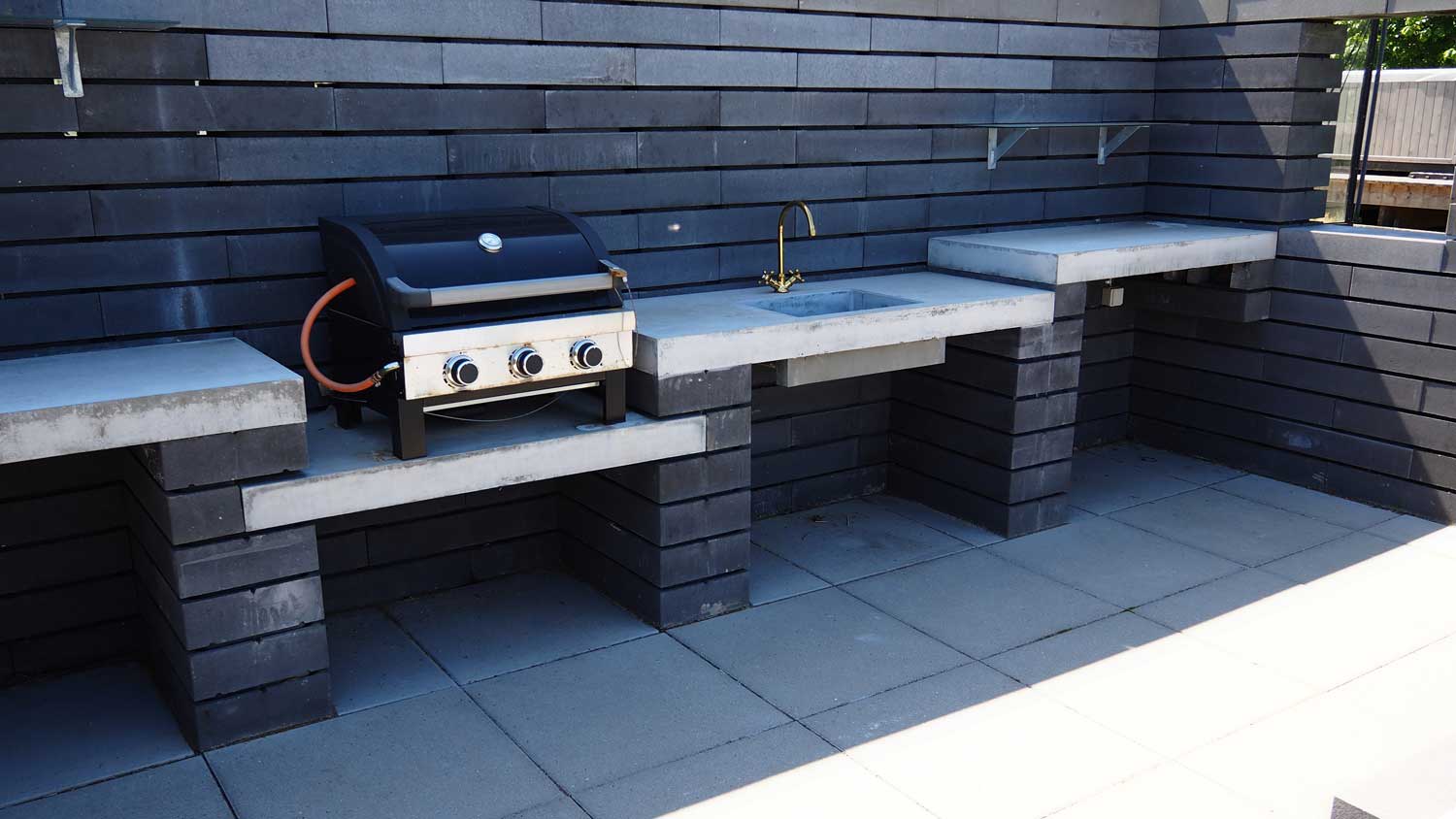
The difference between a built-in and regular grill is installation and design. A built-in grill is integrated into an outdoor kitchen or structure, often within a countertop or island. It is a permanent fixture. A regular grill is standalone, portable, or cart-mounted, allowing mobility and versatility in placement. Built-in grills are typically larger with more cooking space, while regular grills come in various sizes. Built-in grills are favored for creating a custom outdoor cooking area, while regular grills provide convenience and flexibility.

The Warsaw, NY homeowners’ guide to grill assembly services

From average costs to expert advice, get all the answers you need to get your job done.