Top-rated drywall pros.

Get matched with top drywall pros in Rushville, NY

Enter your zip and get matched with up to 5 pros

Need a pro for your drywall service project in Rushville, NY?

Select your specific project to find the pro for you.

TRUSTED BY RUSHVILLE, NY HOMEOWNERS

  • Average homeowner rating star icon4.8
    Average homeowner rating
  • Verified reviews icon43
    Verified drywall services reviews

Find Drywall pros in Rushville

Avatar for R&D Design Studio
R&D Design Studio
5.0(
1
)

Serving Rushville, NY and surrounding areas

Approved

Small jobs welcome

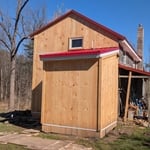
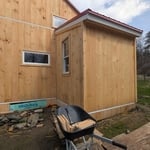
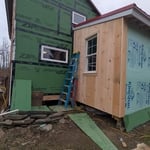
"So happy we chose R&D for our exterior wall repairs! they were great to work with throughout the process of what turned out to be a complicated issue. Their communication was really appreciated as they dug into things and problem solved some unique issues with how the previous home owners had cut corners on the house. R&D wasn’t the cheapest initial bid we received but I have no doubt that we would have wound up paying more in the end for a lower quality result with anyone else. Thanks guys!"
1800's Home Addiction

+6

2 neighbors recently requested a quote
Avatar for Pro painting
Pro painting
New to Angi

Serving Rushville, NY and surrounding areas

Approved

Free estimates

Credit card accepted

Professional painting is what we do. Prepping is key when you want a professional outcome. We take pride in our work and love what we do. Choosing us will be the first step into having quality work done in your home or project.

Full interior
Full interior
Full interior
...
Showing 1-10 of 84
Drywall questions, answered by experts

Yes, you can speed up the time it takes for plaster to dry, but it's important to do so carefully to avoid issues like cracking or crumbling. Proper ventilation is key; open a window or use a fan to circulate air in the room. Heat can also accelerate drying, but be cautious, as too much heat can cause the plaster to dry too quickly and crack. Check the plaster's packaging for the recommended drying temperature and set the room's thermostat accordingly. While managing humidity is important, avoid using a dehumidifier, which can remove moisture too aggressively and result in crumbly plaster.

It doesn’t matter which way you lay drywall, and you can choose to install it horizontally or vertically depending on the size of the wall and how tall the ceiling is. It’s easier to lay drywall sheets vertically if you have a taller ceiling, but laying sheets horizontally makes it easier to apply joint compound.

It’s not a good idea to plaster over broken plaster (unless by broken you’re referring to cracked, in which case that’s perfectly fine). However, broken plaster can be a sign of a larger underlying issue like foundation damage or severe damage to the lath holding up the plaster, so it’s worth investigating before you simply plaster on top of the damage.

There are six levels of drywall finish, from 0 to 5, that refer to the amount of work performed during the finishing process.

Level 0: Drywall is hung with no finishing work.

Level 1: Tape is placed over the seams between drywall sheets.

Level 2: A thin layer of mud is applied over the tape and screw holes. This level is common for utility rooms or walls that will be covered.

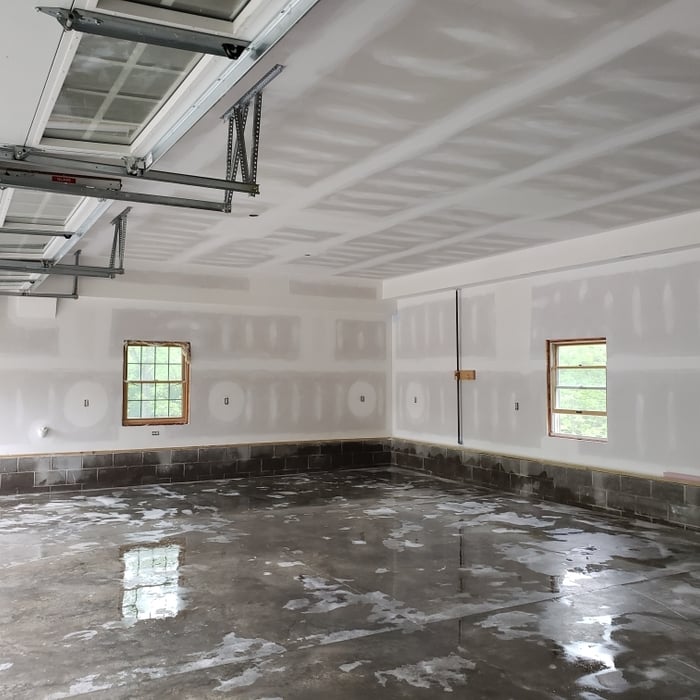
Level 3: A full coat of mud covers the screw holes and tape, but the surface is not sanded. This is often used in garages.

Level 4: This is the most common finish for visible interior walls. It involves applying two coats of mud over seams and screw holes, with sanding between each coat, creating a smooth surface ready for flat paint.

Level 5: This is a high-end finish for luxury homes. It includes full taping, mudding, and sanding, plus a final skim coat over the entire surface before painting.

Both plaster and drywall are durable wall finishes, but they differ significantly in installation, cost, performance, and aesthetics.

Installation & Cost: Drywall installation is faster and more affordable, typically costing $1.50 to $3 per square foot. It uses premade sheets, making it a more accessible DIY project. Plastering is a labor-intensive craft that requires specialized skills, pushing costs to $2 to $10 per square foot. It involves applying a wet paste over a lath framework.

Durability & Performance: Plaster is generally more durable, longer-lasting, and provides superior soundproofing. It is also a better insulator, which can help reduce energy costs. Drywall is easier to remove for future renovations.

Aesthetics: Drywall provides a smooth, uniform surface ready for paint or texture. Plaster offers a high-end, naturally textured look that can hide imperfections and is often preferred for achieving a classic or historic aesthetic.

Which is better? The choice depends on your priorities. Drywall is ideal for those prioritizing a lower upfront cost, faster installation, and DIY potential. Plaster is the better option for a higher-end project where durability, soundproofing, and a unique, premium finish are more important than the initial cost.

The Rushville, NY homeowners’ guide to drywall services

From average costs to expert advice, get all the answers you need to get your job done.