Top-rated structural engineers.

Get matched with top structural engineers in Ransomville, NY

Enter your zip and get matched with up to 5 pros

Need a pro for your structural engineering project in Ransomville, NY?

Select your specific project to find the pro for you.

Find Structural engineers in Ransomville

Avatar for VHS Engineering
VHS Engineering
New to Angi

Serving Ransomville, NY and surrounding areas

In business since 2000

Offers commercial services

We pride our company on reliability, great communication, integrity, and quality work. We are experts in our trade and will do our best to keep you as educated as we can on your particular task or project. We look forward to earning your business!

Response time1 hour
Response rate94%
Structural Engineering questions, answered by experts

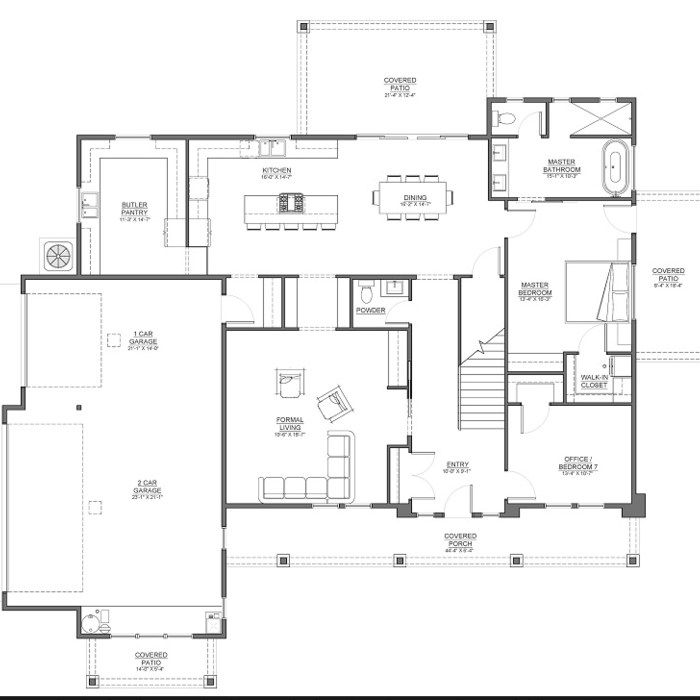
Whether you’re building a new home or building an extension on your existing property, you will likely need both a structural engineer and an architect. A structural engineer will determine what loads your foundation and framing can safely handle, and an architect will draw plans according to those structural calculations to simplify the building process. You can start by contacting a structural engineer near you, as many work alongside architects and can get all of the prep work done at once.

The standard thickness for an LVL beam is between 1.75 inches and 7 inches. However, you can order LVL beams in non-standard sizes as well. When you work with a contractor, they can source beams that are the appropriate size for your project for you after assessing your blueprints.

Most lenders and homeowner’s insurance companies don’t mandate a structural engineer’s inspection, so in most cases, it’s not required. However, it’s a good idea to have one done anyway to ensure you know what you’re buying. You can use the report to carry out repairs after closing or even to negotiate the sale price before closing.

The depth of any foundation style depends on your climate and how deep the frost line is, as building code requires that the footers of a foundation—which are built into a monolithic slab—sit at least a foot below the frost line. At the southern tip of Florida, for example, a monolithic slab foundation would only need to sit 12 inches under the soil at the widest parts. On some parts of the Canadian border, the frost line is 100 inches, which would mean a minimum of 112 inches, which is prohibitively deep for a monolithic slab.

It is not recommended to cut or drill into LVL (laminated veneer lumber) beams. As major structural components of a home, their composite structure can be compromised by alterations, which can weaken them and lead to cracking over time. If you must make modifications to an LVL beam, it is crucial to consult a structural engineer or general contractor first. A professional can advise on whether it's safe and provide specifics on the appropriate bit size, depth, and directionality for any necessary drilling.

The Ransomville, NY homeowners’ guide to structural engineering services

From average costs to expert advice, get all the answers you need to get your job done.

What do you need done? We’ll find top pros.
  • 🌱 "Mow a small front yard"
  • 🛠 "Fix a leaking pipe under the sink"
  • 🏠 "Repair shingles on an asphalt roof"