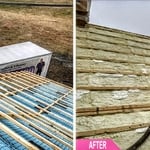
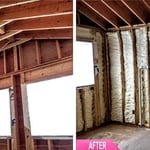
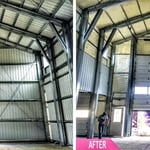
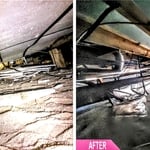
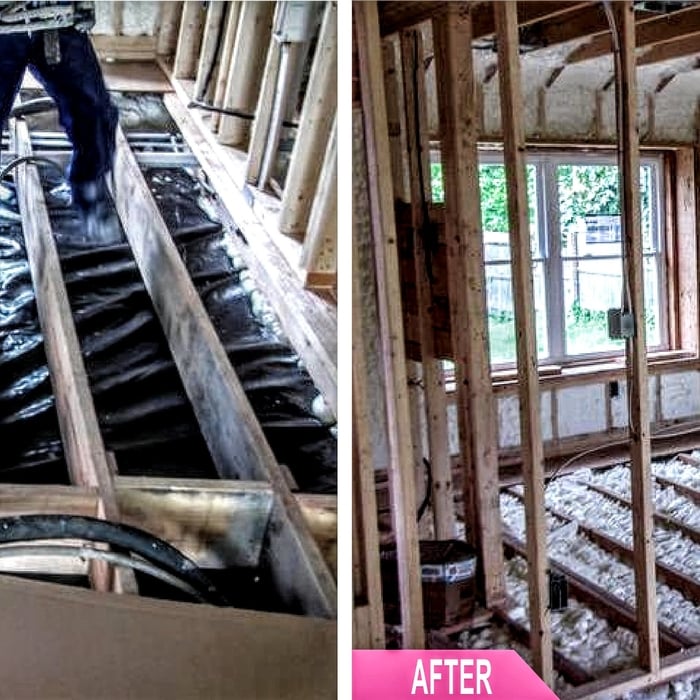
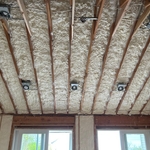
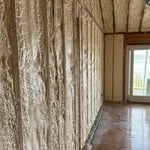
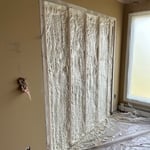
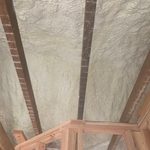
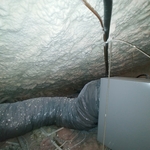
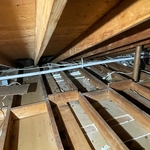
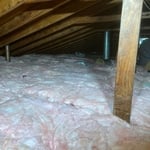
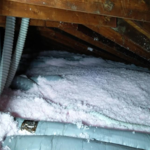
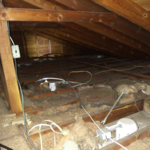
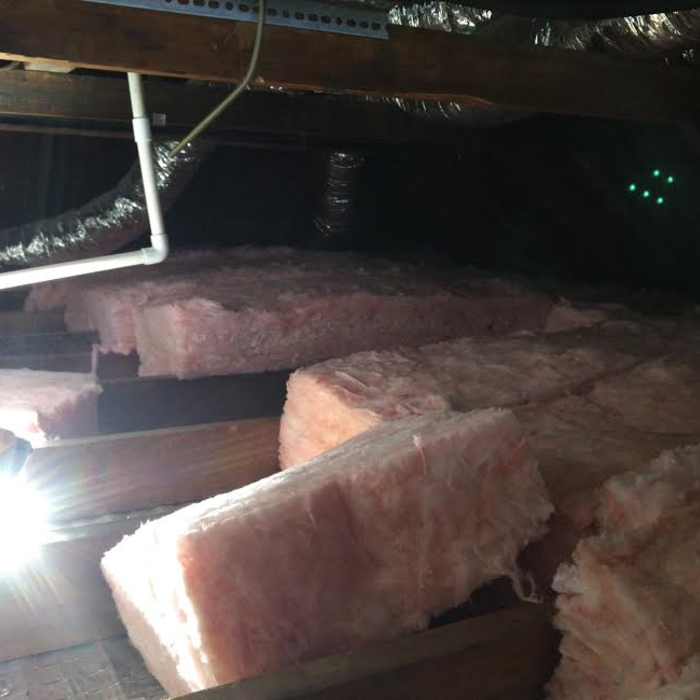
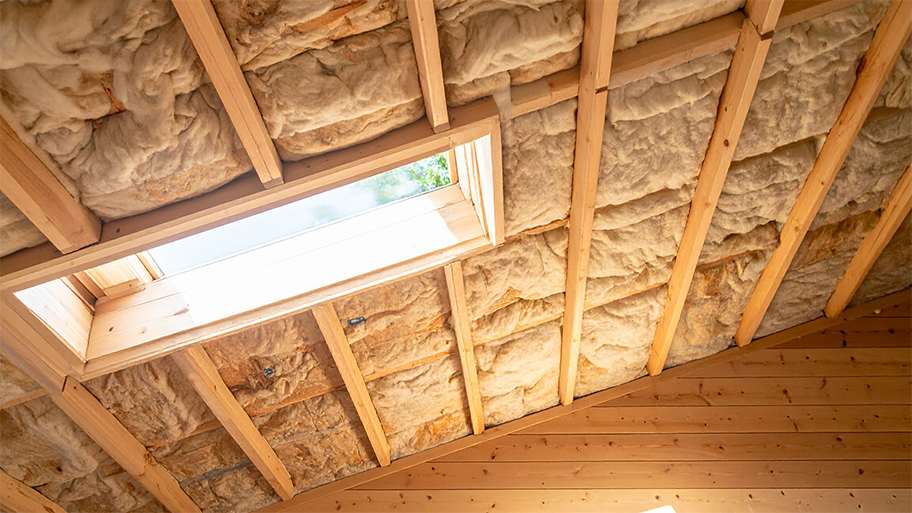
"They removed the old fiberglass insulation and sprayed foam insulation on the underside of my roof. They also sprayed the rim joists of my basement. So far the house seems much less drafty.
"“I recently had insulation work done in my house, and the experience was fantastic. The team was fast, professional, and efficient. I can definitely feel the difference in the comfort and temperature of my home. Highly recommend their service"
We take great pride in our experience, expertise, quality, and customer service that we provide to meet the consumer's needs. It is our mission to provide excellent workmanship and complete customer satisfaction, from the start to the completion of a project. In order to understand the needs and expectations of our customers, we take great care to work and communicate with every customer in a professional manner. Our reputation is based on service, safety, and quality, regardless of how large or small the job.
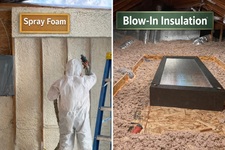
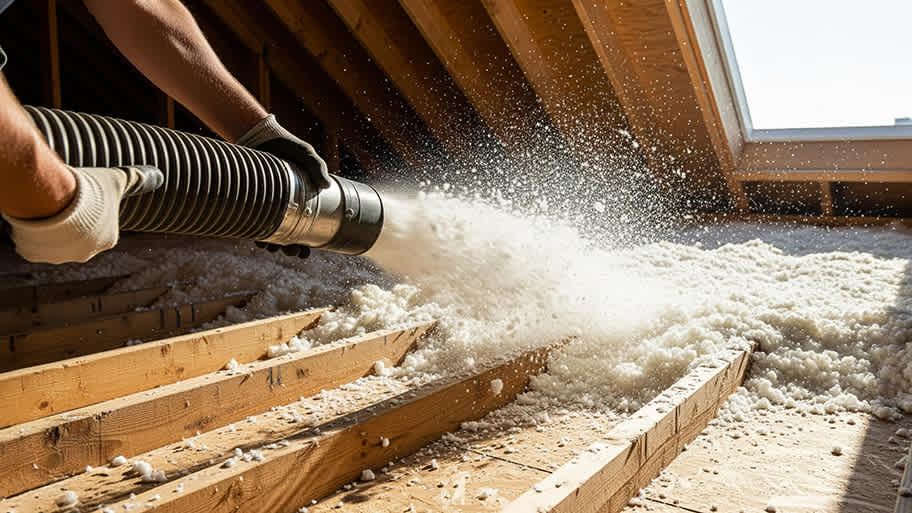
At our company, we are committed to reliability, clear communication, integrity, and top-quality workmanship. With expertise in energy auditing, air sealing, and insulation, we specialize in spray foam and blown-in insulation solutions. Our goal is not only to deliver exceptional results but also to ensure you remain well-informed throughout your project. We look forward to the opportunity to earn your trust and business!
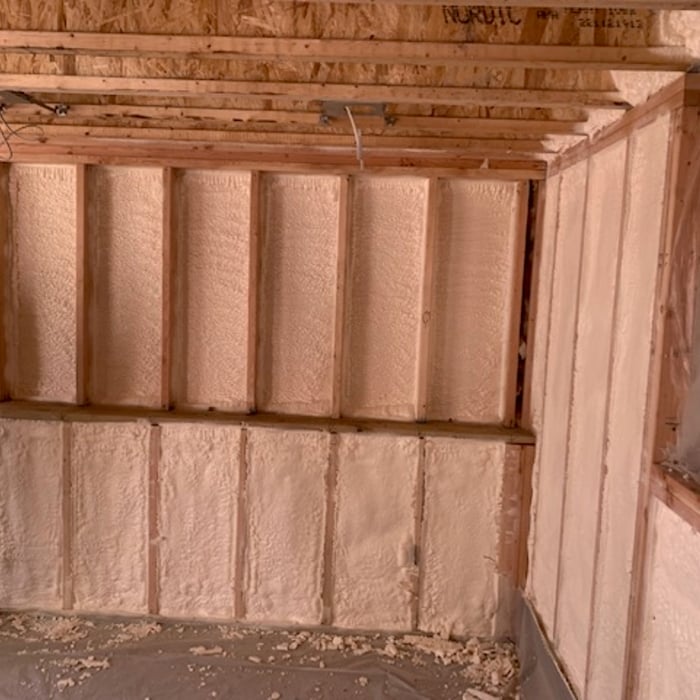
ProSeal Foam LLC specializes in professional spray foam insulation for residential and commercial properties throughout the Hudson Valley and surrounding areas. We provide both open-cell and closed-cell spray foam solutions for new construction, renovations, additions, attics, walls, basements, crawl spaces, garages and more.
\n
\nOur goal is to create a tighter, more energy-efficient building envelope that helps reduce air leakage, improve indoor comfort, control moisture and reduce the workload on heating and cooling systems.
\n
\nWith extensive construction experience, we understand how a building works as a complete system?not just how to spray insulation. We take pride in clean, professional installations, attention to detail and providing the right insulation solution for each project.
\n
\nWhether you?re a homeowner, builder or contractor, ProSeal Foam LLC is ready to handle projects of all sizes. Contact us today for a consultation and estimate.
"Iâ ve been doing business with Super seal insulation for more then 15 years, they are absolutely Professional, Quality and on top of all the have excellent customer service."
"Home Insulation Experts did an outstanding job insulating my recently purchased home. Right from the moment i met Allen ,i felt confident thatthis was the company to go with for my insulation needs. If you are looking for an insulation experts you can trust and that does an excellent job this is it. Great price too."
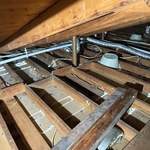
"We are getting our house ready for sale. had a horrible attic space with insulation falling from ceiling. father and son came in and cleaned it out and installed new insulation. looks like new. Nnow we want potential buyers see our great storage space. Worked quickly and without a mess. Good price."
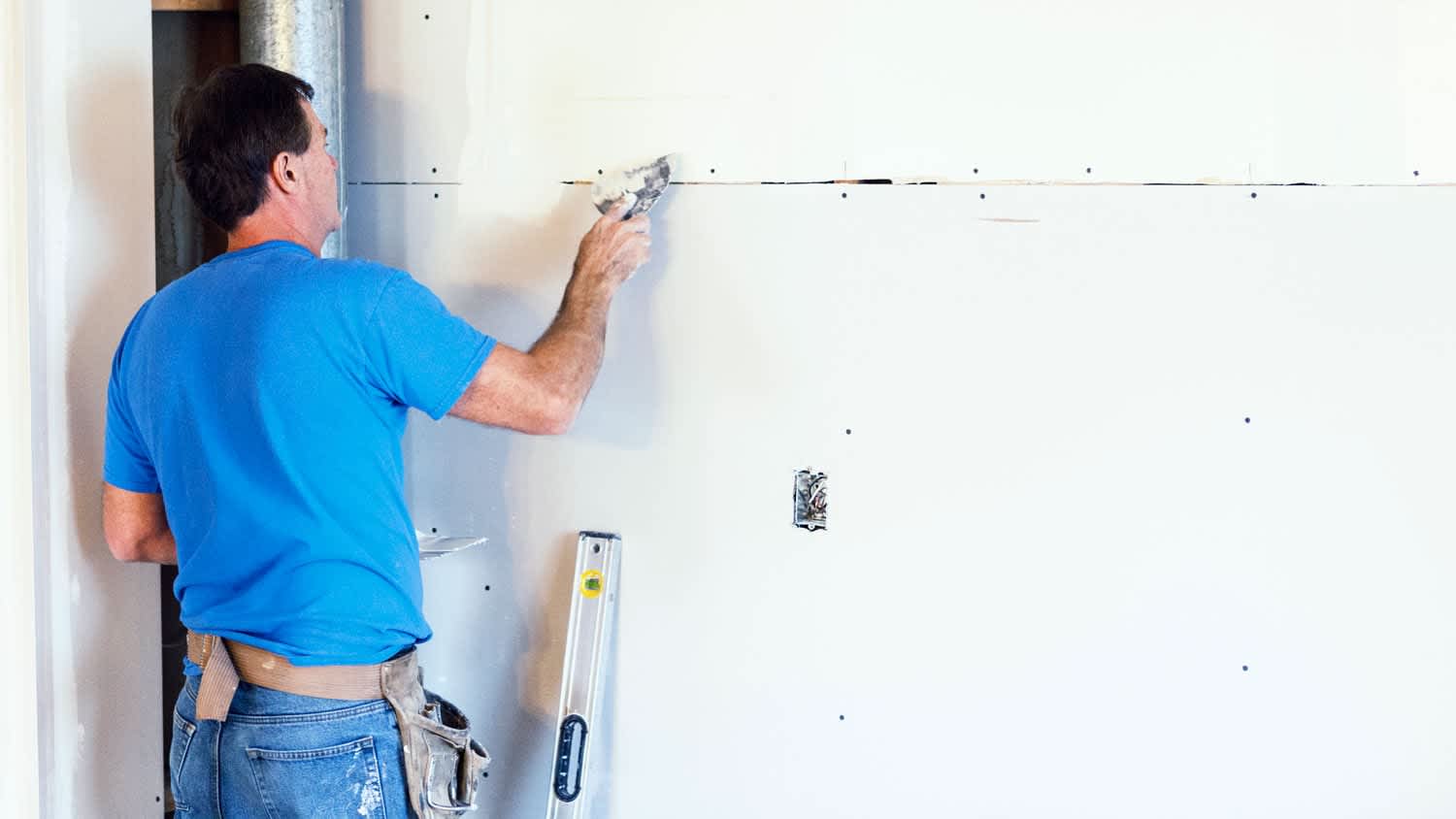
If you only have tiny holes in your drywall (for example, dents or nail marks), you probably won’t need a patch kit. Instead, you can plug the hole with a small amount of spackle. Once the spackle dries, you can sand the area and paint over it—just like you would in the steps outlined above.
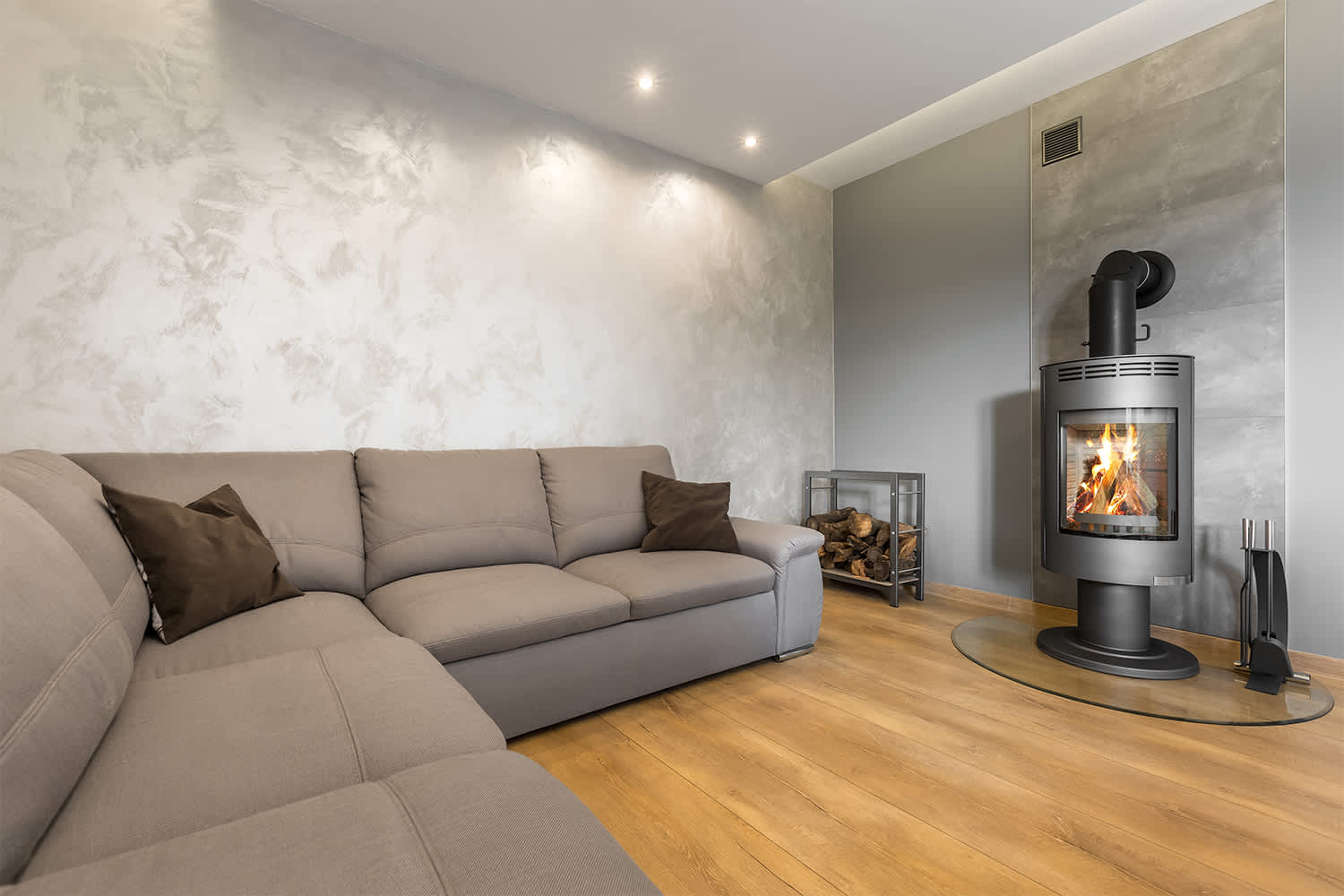
Venetian plaster is a highly durable wall finish that becomes a rock-like substance once dried, making it last longer than most other wall finishes. Its lifespan can range from decades to centuries, potentially lasting a lifetime. Key factors influencing its longevity include the quality of the initial application, whether it's properly sealed against moisture, and how the wall is maintained and treated (e.g., how often it is touched or bumped). Due to its mineral content, it can also develop a patina over time.
This depends on how much plaster is applied and in how many layers, but a decent estimate is around 150 square feet. If you are applying only two coats on a small wall, there is a chance you may only need one or two gallons for the entire project. If you are plastering a large living room wall with high ceilings, using one of the more involved techniques–like Scagliola–that requires several coats, expect the project materials costs to add up quickly.
The short answer is yes, a sagging plaster ceiling is dangerous. Sagging plaster on a wall is something you should fix immediately, but it isn’t a major concern. If the same type of sagging occurs on a ceiling, however, you could be in danger of your ceiling falling in large chunks. When plaster sags, it loses its strength and ability to hold itself up. The bonds that hold it together are strong, though, so if a sagging area falls, it will take large pieces down with it.
Vinegar and bleach are effective options for removing mold from drywall. Vinegar is a better choice if you have a smaller mold issue while bleach is best if you have a larger mold problem. If the area you're cleaning has limited ventilation, using vinegar would be a better option. In that case, you could mix vinegar with baking soda to remove more stubborn mold growth.
The New Square, NY homeowners’ guide to drywall insulation services
From average costs to expert advice, get all the answers you need to get your job done.
New insulation makes your home more comfortable and boosts energy efficiency. Use this guide to budget for insulation installation costs in New York, NY.
The cost of blown-in insulation in New York, NY varies depending on the type of insulation, labor, prep work, and more. Learn more about the cost factors in this guide.
Insulating your attic can improve your home’s efficiency and reduce electric bills. Use this guide to find out what attic insulation will cost you in New York, NY.
Learning how to insulate plaster walls can help improve your home's energy efficiency. However, there are crucial cautions to consider before attempting.
Thick gaps and extra joint compound can alter the look of drywall. So, should drywall be butt up against a wall? Review this guide for seamless installation.
Insulating your walls requires the right insulation and installation method. Keep reading to learn how to insulate a wall without removing the drywall.