





Skidmores Land Care
Tree RemovalTree Stump - RemoveTree Trimming
Serving Irving, NY and surrounding areas
Approved
Veteran owned busniess. Been in business for a couple years. Accredited with the BBB and ready to help those in need.

 4.6
4.6  33
33 *The Angi rating for Tree Service companies in Irving, NY is a rating based on verified reviews from our community of homeowners who have used these pros to meet their Tree Service needs.
*The HomeAdvisor rating for Tree Service companies in Irving, NY is a rating based on verified reviews from our community of homeowners who have used these pros to meet their Tree Service needs.
Last update on December 10, 2025
Serving Irving, NY and surrounding areas
Approved
Veteran owned busniess. Been in business for a couple years. Accredited with the BBB and ready to help those in need.
Serving Irving, NY and surrounding areas
In business since 2018
Free estimates
"Very friendly person,make sure everything is done and take time to make sure there is nothing in the way,great job of clean up,and make sure you are happy with his work,very good at calling you back"
Serving Irving, NY and surrounding areas
Free estimates
Emergency services offered
Small jobs welcome
"Pavlock tree service did an excellent job, reasonably estimates and experienced. I highly recommend their company!"
Serving Irving, NY and surrounding areas
In business since 2024
Free estimates
Emergency services offered
"When hiring a tree care professional, I knew it was important to search for a skilled and talented individual. The care and professionalism provided from Timber Line was unmatched! From the quoting process, the actual removal of the tree, and even the clean up afterward, I was beyond impressed! Pricing was extremely fair, and communication exceeded my expectations. I will certainly hire Timber Line for all my tree care needs."
Serving Irving, NY and surrounding areas
In business since 2024
Free estimates
Emergency services offered
"They did a good job and I would use their service again."
+1

Serving Irving, NY and surrounding areas
In business since 2008
Free estimates
Credit card accepted
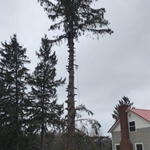
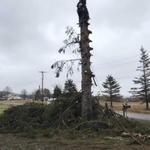
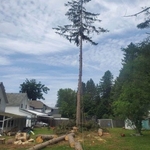
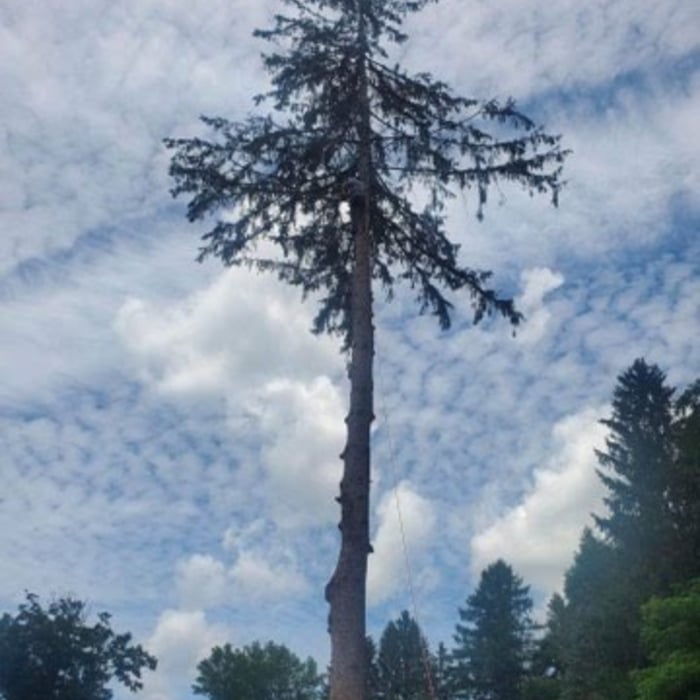
"Great company with a great attitude and work ethic. Fast work and always cleans up unless you tell him not too. Safety is key to him. Always has an answer for the job. I had branched over my house and when he trimmed it up not a branch fell on the house note touched the house. I highly recommend"
+12
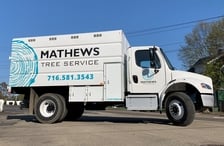
Serving Irving, NY and surrounding areas
In business since 2021
Free estimates
Emergency services offered
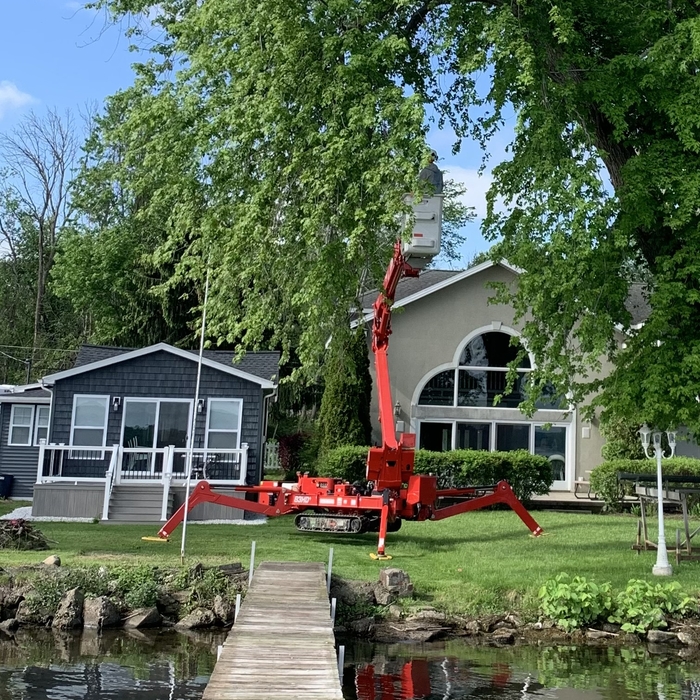
"They were very professional, very quick they were in and out in two hours. They cleaned up after themselves, you couldn't even tell they were there."
+6
Serving Irving, NY and surrounding areas
In business since 2020
Free estimates
"They are very reliable, dependable, and cleaned everything up after the project was complete. They stay true to their word, always following through on what they say they will do, and go above and beyond."
Serving Irving, NY and surrounding areas
In business since 2000
Free estimates
Offers commercial services
"Jeffrey has excellent and friendly service!"
Serving Irving, NY and surrounding areas
In business since 2023
Free estimates
Offers commercial services
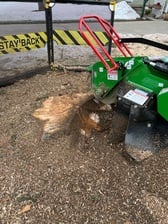
"Cody was very professional and did a great job grinding the tree stump and removing the debris."
From average costs to expert advice, get all the answers you need to get your job done.

How much does an arborist cost? This guide explains the cost of different services, ongoing expenses, and other factors to consider when hiring an arborist.

Tree inspections can ensure your trees stay healthy and safe, preventing costly damage. Learn how much tree inspections cost and what can affect the price.

Moving your favorite tree isn’t exactly a small task, so we’ll break down some common tree transplanting costs so you can be prepared.

Don’t get ripped off when hiring a professional tree service to remove trees. Make sure you watch for these scams that occur much too often.
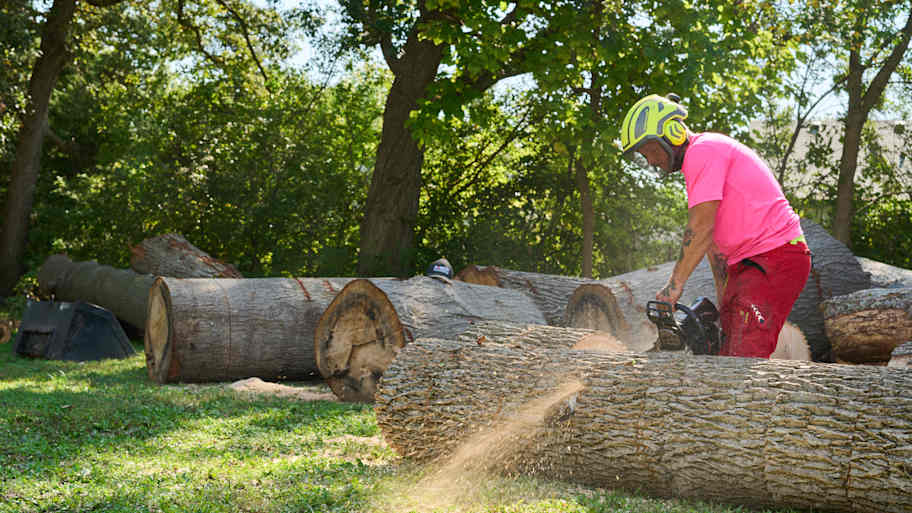
Follow these tips to learn how to find a good tree removal service. Doing a little research can help you save time and money when you need to say goodbye to your trees.
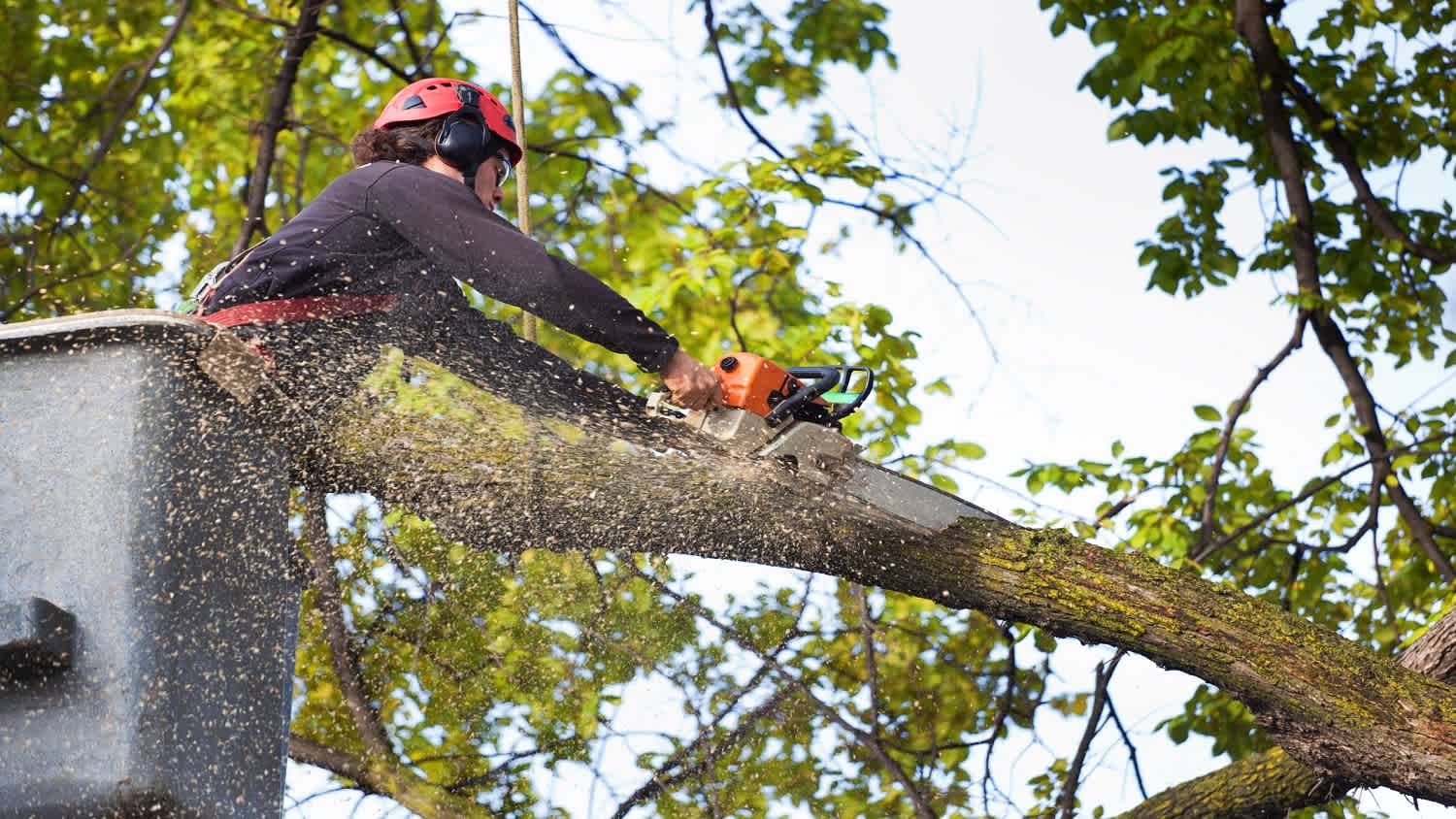
You suspect that the leaning oak tree in the back needs to come down, but can you just handle it yourself? Here are the pros and cons of calling a tree service.