

Top-rated lead testing and removal specialists.

Get matched with top lead testing and removal specialists in Fair Haven, NY

Enter your zip and get matched with up to 5 pros

Need a pro for your lead testing and removal project in Fair Haven, NY?

Select your specific project to find the pro for you.

Find Lead testing and removal specialists in Fair Haven

Churchill Environmental, Inc.
5.0(
1
)
Toxic Lead - Testing

Serving Fair Haven, NY and surrounding areas

In business since 2002

Free estimates

Emergency services offered

We specialize in Asbestos, Mold, & Lead paint Inspections, Assessments, Air Sampling, Bulk Sampling, and Hazardous Materials Surveys. We also perform OSHA onsite Safety Inspection Services to ensure your employees are working safely. We pride our company on reliability, great communication, integrity, and quality work. We are experts in our trade and have been in business since 2002. We look forward to earning your business! Book with us online or feel free to give us a call today!

Response time2 days
Recommended by100%of homeowners
Safe Lead pro
New to Angi
Toxic Lead - Testing

Serving Fair Haven, NY and surrounding areas

JPF Interiors Inc. Your project solution, customizing in interior and some exterior. Quality workmanship: Interior: framing, electrical,plumbing, drywall finishing, dustless sanding, painting, staining, laminte and tile flooring, hardwood floors, cabinet and countertop installation, door lock installation, drop ceilings. Exterior: additions, decks, siding, soffit/fascia, windows/doors. Also finished carpentry work: trim work, murphy beds, stair construction, cabinet fabrication, entertainment systems, interior/exterior door replacement. Certified: OSHA, Sissor and Arial lifts. Fully insured. Free estimates/bids for your projects. Insurance estimates are $150.00 and if job is completed by JPF money will be refunded. No job is too big or too small, make one call and have it all completed by one company.

Showing 1-10 of 12
Lead Testing and Removal questions, answered by experts

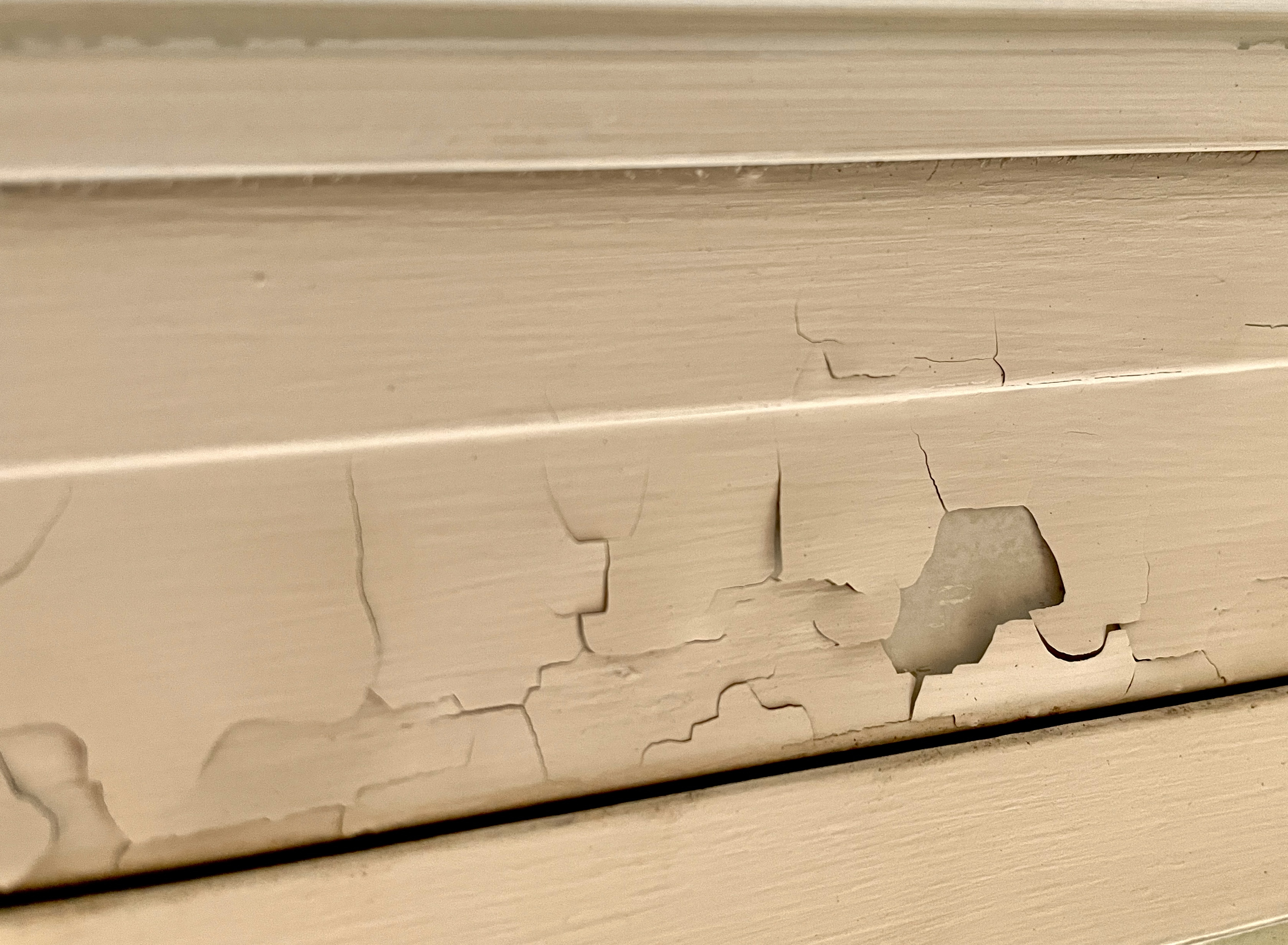
Lead toxicity comes from inhaling lead or consuming it. Before the 1980s, when the government banned lead from consumer use, it could be found in paint, plumbing, pipes, ceramics, and even gasoline. Lead paint is toxic for the same reason lead itself is toxic, which is why lead poisoning from paint presents the same as lead poisoning from water or food sources, with a slight increase in respiratory symptoms vs. digestive symptoms. Lead paint is most dangerous when it’s old and peeling, cracking, or otherwise disturbed. This increases the concentration in the air and, therefore, in breathable air. 

Lead removal is crucial in older homes to eliminate risks of lead poisoning, which can severely affect health, particularly in children, by impacting development and cognitive functions.

Hazardous waste is waste that poses a threat to human or environmental health. This generally refers to waste that is flammable, corrosive, toxic, or reactive. To confirm if the waste you need to remove is considered hazardous waste, contact your local hazardous waste facility.

You do not have to remove lead paint if the surface is not chipping or peeling or if there are no pregnant people or children under the age of six who live in or regularly visit your home. Lead paint is a particular risk for young children whose brains and bodies are not fully developed. Experts strongly recommend that you call a pro to remove lead paint if it’s peeling or flaking, no matter who lives in the home. You can experience lead poisoning by breathing in or ingesting just a small amount of it.

According to the Environmental Protection Agency (EPA), hazardous waste is generally classified into four main categories:

1. Characteristic Wastes: These exhibit at least one of four hazardous traits: ignitability (flammable, like gasoline), corrosivity (can rust or decompose materials, like car batteries), reactivity (unstable and can explode, like aerosol cans), or toxicity (harmful when ingested, like lead-based paint).

2. Listed Wastes: These are specific wastes from manufacturing and industrial processes that the EPA has officially designated as hazardous. They include byproducts from processes that use solvents, pesticides, and other chemicals.

3. Universal Wastes: These are commonly generated hazardous items that are subject to streamlined regulations. Examples include batteries, pesticides, mercury-containing equipment (e.g., bulbs), and some lamps.

4. Mixed Wastes: This category includes waste that contains both hazardous and radioactive components, making it subject to regulation by both the EPA and the Nuclear Regulatory Commission.

The Fair Haven, NY homeowners’ guide to lead testing and removal services

From average costs to expert advice, get all the answers you need to get your job done.