Top-rated drapery cleaners.

Get matched with top drapery cleaners in Cobleskill, NY

Enter your zip and get matched with up to 5 pros

Need a pro for your drapery cleaning project in Cobleskill, NY?

Select your specific project to find the pro for you.

Find Drapery cleaners in Cobleskill

The Floor Guy Cleaning Company
5.0(
1
)
Drapes or Curtains - CleanDrapes or Curtains - Clean - For Business

Serving Cobleskill, NY and surrounding areas

In business since 1999

Free estimates

Credit card accepted

We stand by our work. We are the premier company in upstate New York for quality home care. Our specialty is cleaning floors and furniture. We've been doing it for 30 years and proudly stand by our work. Tile floor, old carpet, couch cushions-we'll do whatever it takes to earn your business.

Recommended by100%of homeowners
Swept Away Cleaning
New to Angi
Drapes or Curtains - CleanDrapes or Curtains - Clean - For Business

Serving Cobleskill, NY and surrounding areas

In business since 2024

Swept Away Cleaning is a newly established cleaning service based in New York, dedicated to providing top-quality residential and commercial cleaning solutions. Our experienced team offers a wide range of services, including routine cleaning, deep cleaning, office cleaning, and move-in/move-out cleaning. We pride ourselves on attention to detail, reliability, and eco-friendly cleaning products to ensure a spotless and healthy environment for our clients. Whether it's a one-time service or ongoing maintenance, Swept Away Cleaning is committed to delivering exceptional cleaning with a personal touch.

Drapery Cleaning questions, answered by experts

Yes, using appropriate techniques and solutions for material-specific care.

It’s a good idea to wash curtains every six months or so to avoid allergens from building up in them and to get rid of any odors from cooking, exercising, or pets. You might want to wash your curtains as often as every three months if you have multiple pets, someone in your family is highly allergic to dust or pet dander, or you cook often with aromatic spices or oils. You might consider a standalone cleaning if you get stains on your curtains or they are visibly soiled.

In general, shades and blinds are the most common window coverings used today because they create unobtrusive, sleek profiles that fit into any space. In addition, blinds and shades are extremely easy to use. Most operate using either a pull system or wand. While most blinds and shades sold by retailers are available in a wide range of sizes that are made to fit standard windows, customers can also order custom shades and blinds for windows that are hard to fit.

You should avoid using a pressure washer on any surface or item that could be damaged by the high-pressure spray, as some materials are too delicate to withstand the force.

Key items and surfaces to avoid include:

  • Electrical Components: Never pressure wash electrical systems, as water can cause short-circuits and create a safety hazard. This includes utility meters, breaker boxes, electrical outlets, generators, and HVAC or air conditioner units.

  • Delicate and Fragile Materials: Fragile items can crack, shatter, or be stripped by the pressure. Avoid pressure washing windows, glass, light fixtures, shingled roofs (especially asphalt), and stucco.

  • Painted, Stained, or Sealed Surfaces: Unless your goal is to strip the finish, do not pressure wash painted surfaces, stained wood (like decks), or anything with a protective seal that could be stripped away. Be especially cautious with older surfaces that may contain lead paint.

  • Soft Woods and Certain Decking: Delicate surfaces like softwood, composite decking, and antique or wooden patio furniture can be etched or damaged. If you must wash wood, use a lower-powered pressure washer with a wide-angle nozzle to prevent damage.

  • Living Things: Never use a pressure washer on people, pets, or plants. The force can cause serious injury and will destroy landscaping.

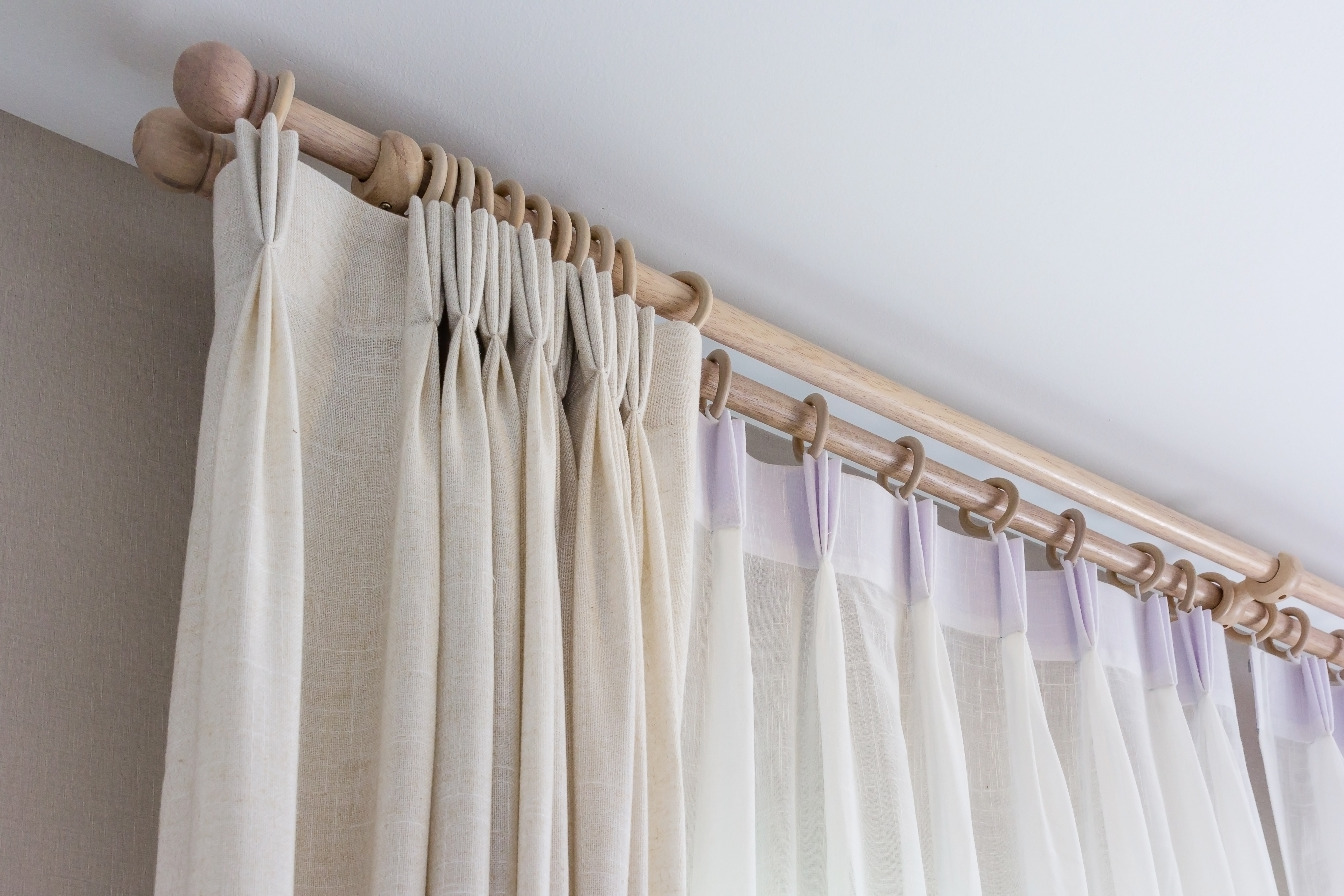
Window treatments fall under the categories of hard, soft, and layered. Hard refers to stiff, formed treatments that include window blinds and shutters. Soft refers to cloth window treatments that include drapes and curtains. Finally, layered refers to the combination of soft and hard treatments. For example, you might place flowing drapes over blinds to combine the practicality of a treatment that blocks the sun with the whimsical and elongating aesthetic of a full-window drape.

The Cobleskill, NY homeowners’ guide to drapery cleaning services

From average costs to expert advice, get all the answers you need to get your job done.