

Top-rated arborists.

Get matched with top arborists in Chatham, NY

Enter your zip and get matched with up to 5 pros

Need a pro for your arboricultural service project in Chatham, NY?

Select your specific project to find the pro for you.

TRUSTED BY CHATHAM, NY HOMEOWNERS

  • Average homeowner rating star icon4.3
    Average homeowner rating
  • Verified reviews icon61
    Verified arboricultural services reviews

Find Arborists in Chatham

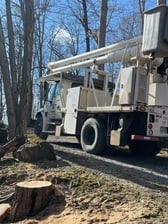
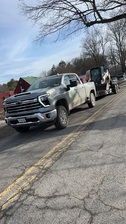
Avatar for Mack Tree Service
Mack Tree Service
4.3(
14
)
Tree Removal

Serving Chatham, NY and surrounding areas

Approved

In business since 2010

Free estimates

Credit card accepted

"These guys did a miraculous job on a very enormous tree removal project. They were polite, kind and very hard working. I am very happy with the tree removal, quite an undertaking!"
Response time1 day
22 neighbors recently requested a quote

Recommended by91%of homeowners
Sawyer’s Tree Care
New to Angi
Tree Removal

Serving Chatham, NY and surrounding areas

Approved

Free estimates

Small jobs welcome

I am a professional tree care specialist with a strong foundation in arboriculture, backed by a forestry degree and hands-on experience across residential, commercial, and land-management settings. I have gained my experience working with an internationally recognized tree care company, where I developed industry-standard practices in pruning, tree health care, risk assessment, and safety. \n\nAs certified ISA arborist, I am committed to applying current arboricultural science and best practices to every project. I take pride in caring for each customer’s property as if it were my own, listening closely to their goals, and delivering thoughtful, professional solutions that promote tree health, safety, and long-term value.

2 neighbors recently requested a quote
...
Showing 1-10 of 76
Arborists questions, answered by experts

Pruning trees is important for several reasons. It improves tree health and strength by removing dead, diseased, or unwanted branches, which in turn encourages new growth and can help treat disease. For fruit trees, proper pruning can lead to a larger and better-quality harvest. Pruning also enhances safety by removing weak limbs that could break and fall, potentially causing injury or property damage, especially during storms. Beyond these functional benefits, pruning can also improve a tree's appearance. To ensure pruning is done correctly for the tree's long-term health, consider hiring a professional.

In most ways, palm trees are incredibly low-maintenance. They don’t need a ton of water—which is why they’re so beloved in desert regions—and they basically prune themselves. But they do need an ample supply of sunlight and to be in soil that will allow for proper drainage so that their roots don’t become waterlogged and at risk of developing illnesses.

If the plant begins to wilt, develop spots, or change color, these could all be signs that your palm tree has a disease. But a few basic treatments, like pruning and applying fungicide, will usually be more than enough to return it to perfect health.

The shepherd’s tree, native to the Kalahari Desert in Africa, holds the record for the deepest known tree roots at over 230 feet deep. Some African communities refer to it as the “Tree of Life” since it provides food, shade, and medicinal properties to the surrounding community.

No. Topping a tree refers to severely cutting down all its major branches and tree in a straight line. It was once recommended for streetside deciduous trees but has fallen out of practice. Topping leads to many problems, removing so much of the tree that many trees struggle to survive and become much more vulnerable to insects and diseases. Also, it doesn’t really help tree growth as once assumed and often leads to an ugly appearance of many sprouting stems in competition to become new main branches.

If a tree stump is removed properly, the chances of a tree growing back are low. However, if a tree has a robust root system, roots can sometimes sprout and someday grow into a tree. The chance of regrowth will depend on several factors such as the type of tree, soil quality, and strength of the root system. In general, it is not recommended to plant a tree where a stump was removed.

The Chatham, NY homeowners’ guide to arboricultural services

From average costs to expert advice, get all the answers you need to get your job done.