

Top-rated concrete mudjacking pros.

Get matched with top concrete mudjacking pros in Chateaugay, NY

Enter your zip and get matched with up to 5 pros

Need a pro for your concrete mudjacking project in Chateaugay, NY?

Select your specific project to find the pro for you.

Find Concrete mudjacking pros in Chateaugay

Grasse River Excavation
New to Angi

Serving Chateaugay, NY and surrounding areas

In business since 2024

Free estimates

Grasse River Excavation is committed to excellence in every aspect of our business. We uphold a standard of integrity bound by fairness, honesty, and personal responsibility. Our distinction is the quality of service we bring to our customers. Accurate knowledge of our trade combined with ability is what makes us true professionals. Above all, we are watchful of our customers' interests, and make their concerns the basis of our business.

Concrete Mudjacking questions, answered by experts

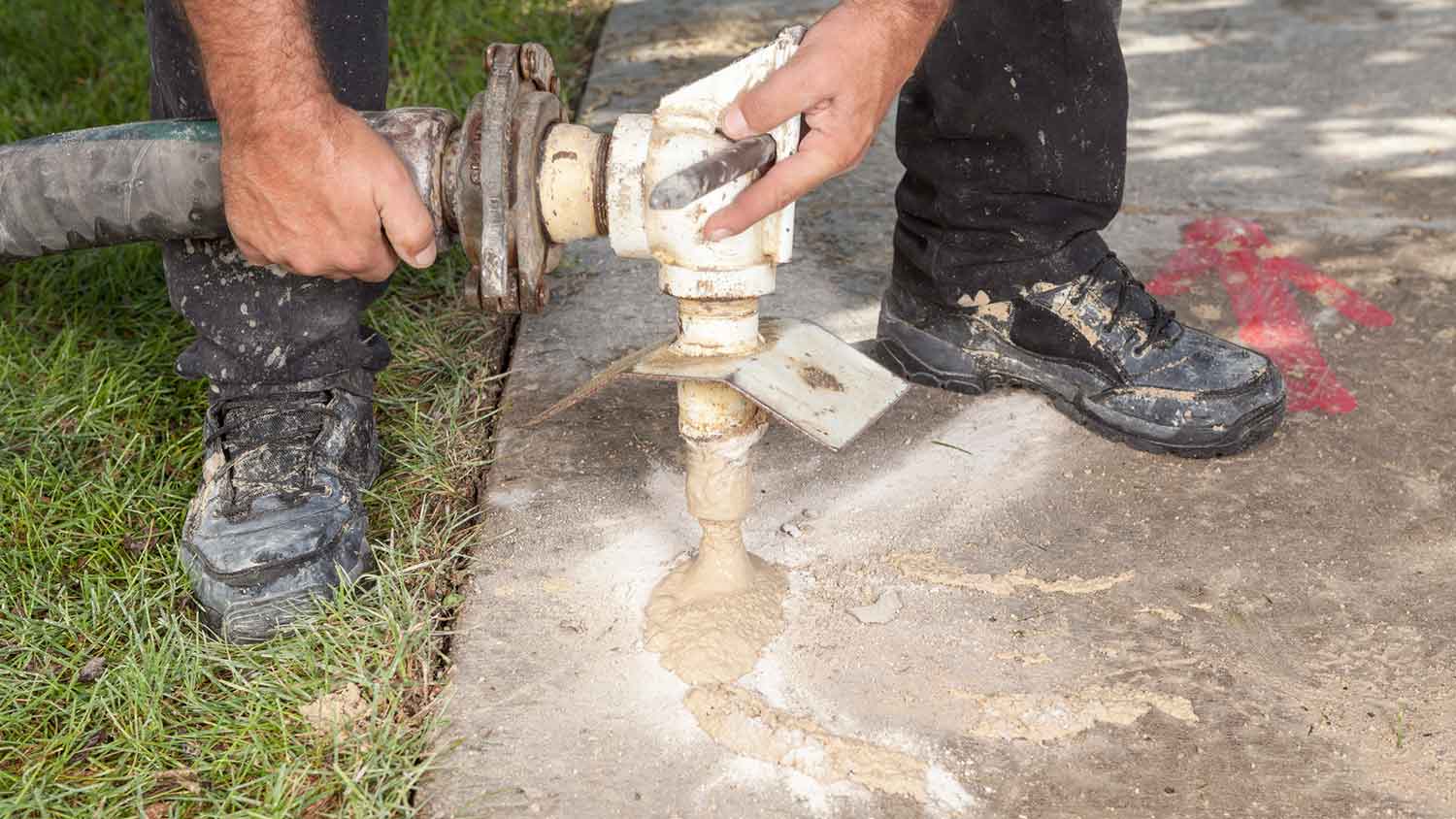
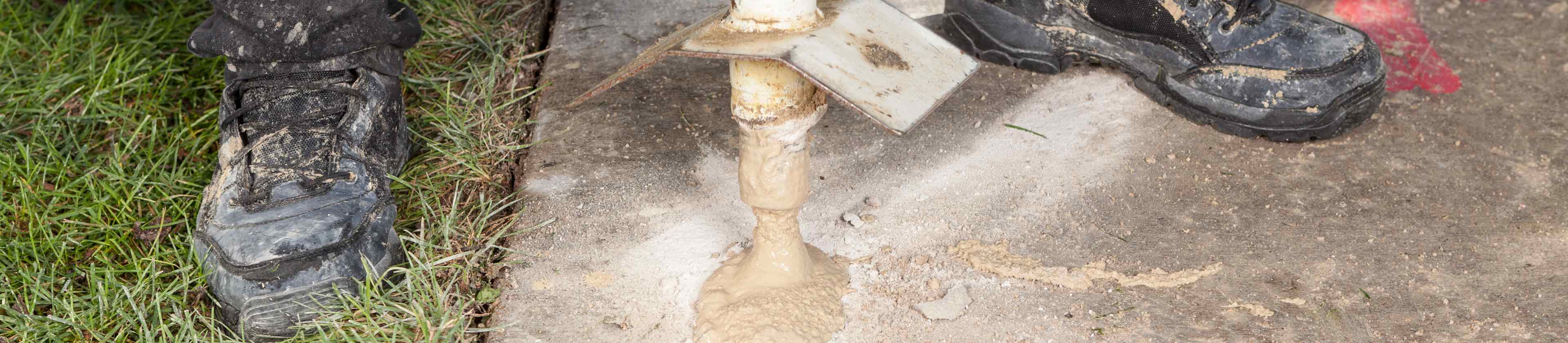
A slurry of cement, sand, and water is injected beneath the concrete to lift and stabilize it.

Mudjacking typically takes 24 to 72 hours (one to three days) to dry and cure completely before you can resume normal use. The total drying time can vary depending on the size of the project. Because the slurry mixture contains cement, it needs to harden fully to prevent the concrete slab from shifting under added weight. You should avoid walking on the concrete or placing heavy items like furniture or vehicles on the surface until it has fully set. Your concrete contractor can provide a precise timeline. As a point of comparison, if you opt for polyjacking, the polyurethane foam can dry in minutes, but it's recommended to wait about an hour before use.

Polyjacking can be a permanent solution to sunken concrete if you also address the underlying issue—like poor drainage—at the same time. The polyurethane material itself can last as long as or even outlast the concrete you’re lifting it with. Your sunken concrete issue will likely return if you don’t couple polyjacking with proper drainage to prevent future soil movement and sinking.

Trenching and boring are two distinct methods for installing underground utilities. Trenching involves digging a channel using equipment like an excavator, trencher, backhoe, or shovel. While it is a simpler process, it causes significant disruption to the surface, landscaping, and surrounding ecosystems.

Boring, also known as directional boring, is a less invasive alternative that uses a drill to create a tunnel for utility lines without disturbing the surface. This method is more precise and is ideal for installations that need to go underneath buildings, roads, or bodies of water. Although boring is less disruptive, it is generally more expensive than trenching.

Charges correlate with surface size, settlement depth, and access, often yielding significant savings over concrete replacement.

The Chateaugay, NY homeowners’ guide to concrete mudjacking services

From average costs to expert advice, get all the answers you need to get your job done.