




Top-rated deck repair pros.

Get matched with top deck repair pros in Cayuga, NY

Enter your zip and get matched with up to 5 pros

Need a pro for your deck repair project in Cayuga, NY?

Select your specific project to find the pro for you.

TRUSTED BY CAYUGA, NY HOMEOWNERS

  • Average homeowner rating star icon4.6
    Average homeowner rating
  • Verified reviews icon24
    Verified deck repair services reviews

Find Deck repair pros in Cayuga

Avatar for A second set of hands
A second set of hands
New to Angi
Deck or Porch - Repair

Serving Cayuga, NY and surrounding areas

Approved

Free estimates

Emergency services offered

Small jobs welcome

Reliable, detail-oriented, and committed to quality, I provide professional handyman services designed to make your home projects stress-free. With experience in a wide range of repairs and improvements—from small fixes to larger projects—I take pride in delivering workmanship you can trust.\n\nWhether it’s plumbing, electrical work, carpentry, painting, or general maintenance, I approach every job with care, precision, and respect for your home. I show up on time, communicate clearly, and make sure the job is done right the first time.\n\nMy goal is simple: to provide dependable service, fair pricing, and results that last. No project is too small, and your satisfaction is always my priority.\n

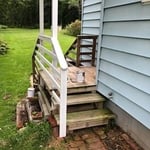
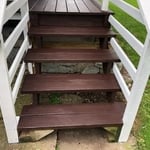
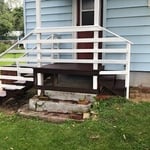
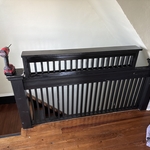
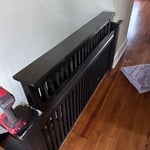
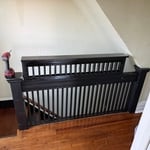
Naples NY railing
Naples NY railing
Naples NY railing
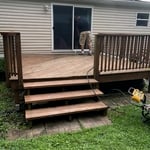
Fence
Fence

+7

...
Showing 1-10 of 60
Deck Repair questions, answered by experts

Routine cleaning, sealing/staining, and inspection prolong deck life and appearance.

The proper and most comfortable height for a deck stair riser, also called a step, is between four and seven inches. A height of seven inches is often considered ideal for a strain-free step that minimizes the risk of trips and falls. While it is possible to have risers up to 12 inches, this height can be challenging for children, pets, or individuals with mobility issues. For optimal safety and comfort, pair a seven-inch riser with a tread depth (or run) of at least 10 to 12 inches. Always check your local building codes, as they may have specific requirements that differ from these general recommendations.

Composite decking requires a solid foundation or substructure for support. This base is typically a frame composed of posts, beams, joists, and footings. The frame can be built from various materials, such as composite, plastic, timber, or metal, depending on your budget, deck type, and environmental conditions. For maximum stability, a professional deck builder may recommend installing this frame on top of a solid concrete base. It is best to discuss the most suitable substructure design and materials for your specific project with a professional.

Footings for ground-level decks need to be at least 12 inches deep, and some areas require them to be even deeper. A standard range for deck footings is anywhere from 12 to 48 inches. The minimum footing depth is determined by an area’s frost line and soil conditions. If you’re unsure how deep to install deck footings, check local building codes to find the minimum footing depth in your area. 

It’s best to use two screws to secure deck boards into every joist. Securing the boards to every joist makes the deck more structurally sound, while using two screws on the outer sides of the boards can help prevent warping and cupping.

The Cayuga, NY homeowners’ guide to deck repair services

From average costs to expert advice, get all the answers you need to get your job done.