

Top-rated arborists.

Get matched with top arborists in Cayuga Heights, NY

Enter your zip and get matched with up to 5 pros

Need a pro for your arboricultural service project in Cayuga Heights, NY?

Select your specific project to find the pro for you.

TRUSTED BY CAYUGA HEIGHTS, NY HOMEOWNERS

  • Average homeowner rating star icon4.5
    Average homeowner rating
  • Verified reviews icon210
    Verified arboricultural services reviews

Find Arborists in Cayuga Heights

Avatar for DW Construction
DW Construction
4.6(
44
)
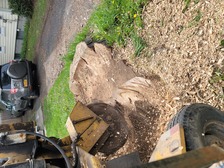
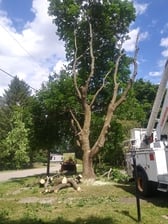
Tree Stump - Remove

Serving Cayuga Heights, NY and surrounding areas

Approved

In business since 2000

Free estimates

Warranties offered

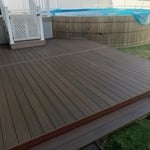
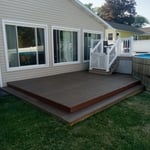
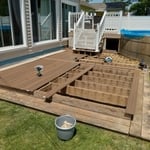
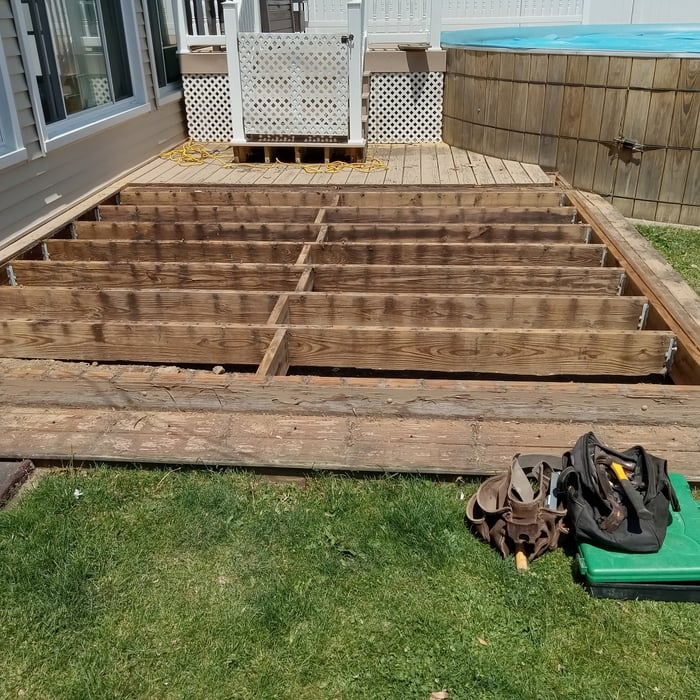
"Very friendly and efficient ð Gave me a free estimate and picked up all materials for free to save me a delivery fee. DW Construction fixed my decking boards that were rotted, fixed my handrails, and rebuilt my steps to ensure my safety and my families as well. I highly recommend him and will be hiring him again for future projects."
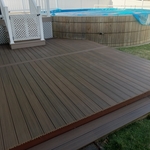
Rebuild Deck
Rebuild Deck
Rebuild Deck
Rebuild Deck
Rebuild Deck

+35

Response time1 day
Response rate91%
Recommended by89%of homeowners

Avatar for Lawn lovers landscaping
Lawn lovers landscaping
New to Angi
Tree Removal - For BusinessTree Stump - Remove - For BusinessTree Trimming - For Business

Serving Cayuga Heights, NY and surrounding areas

Approved

I'm Darren I have 10 years of construction experience I'm OSHA certified I offer many services including lawn and property maintenance, tree service, junk removal, excavating and more. I service Scranton Pa, wilkesbarre Pa, Tunkhannock PA, and surrounding areas and also Binghamton NY vestal NY, and owego NY, \n

...
Showing 1-10 of 68
Arborists questions, answered by experts

There are several methods to hollow out a tree stump, and the best one depends on your tools, experience, and priorities. Common methods include using a chisel and hammer, a chainsaw, or burning.

  • Chisel and Hammer: This is often considered the easiest approach for those with limited tools or experience, though it is the most time-consuming.

  • Chainsaw: Using a chainsaw is the fastest method, but it comes with significant safety risks, especially for inexperienced users.

  • Burning: This can be an effective method, but it is not recommended unless you can first drill holes into the stump. Without holes, the stump will be difficult to light and may not burn completely through.

A power drill with at least a ⅜-inch diameter bit can make the job quicker and easier, regardless of the primary method. While you can use a chisel or chainsaw without a drill, it will require more time and effort. Always wear protective goggles and thick gloves, as splinters are an inevitable risk.

It is possible to cut down a tree on your property yourself, but it is generally not recommended unless specific conditions are met. You should only consider this project if the tree is small (e.g., under 4-5 inches in diameter and short enough that you don't need a ladder to reach the branches), and you are experienced in handling a chainsaw. The tree must also be located far from any power lines, fences, homes, or other structures. Even for small trees, the work can be dangerous, and it's always advisable to have a spotter to ensure the tree falls correctly and no branches fall on you.

For any tree that is large, requires a ladder to access, or is near electrical lines or structures, you should always hire a professional. Attempting to remove a large tree yourself is extremely dangerous, poses a risk of serious injury, and could result in significant damage to your property.

Before any tree removal, it's also important to check your local and state regulations to ensure the tree is not historic or otherwise protected by your city.

Coverage varies quite a bit by policy, but most homeowners' insurance policies will cover $500 to $1,000 of the cost of removing a tree. Additionally, if your tree causes damage to your property, like your house, many policies will cover some or all of the costs to repair the damage, depending on why the tree fell.

You need to remove all branches affected by Dutch elm disease. If your tree has several affected branches, you will probably need to remove the entire tree. First, consult a pro to be sure that you’ve correctly identified it as an elm tree. Make sure the tree is properly disposed of with a plastic covering or through debarking, chipping, or burning.

In most cases, your neighbor is responsible for roots from their tree that cause damage to your property. If your pavement, the foundation of your home, or a fence is damaged by roots from a neighbor’s tree, you likely will have legal recourse for financial relief. While it’s better to notify your neighbor of any problems you notice as soon as they arise to avoid costly damage, there are some instances where filing a civil suit is your only recourse. Your homeowner’s insurance company might wish to do so on your behalf if you file a claim.

The Cayuga Heights, NY homeowners’ guide to arboricultural services

From average costs to expert advice, get all the answers you need to get your job done.