




Top-rated tree service pros.

Get matched with top tree service pros in Canaseraga, NY

Enter your zip and get matched with up to 5 pros

Need a pro for your tree service project in Canaseraga, NY?

Select your specific project to find the pro for you.

TRUSTED BY CANASERAGA, NY HOMEOWNERS

  • Average homeowner rating star icon4.4
    Average homeowner rating
  • Verified reviews icon51
    Verified tree services reviews

Find Tree service pros in Canaseraga

Avatar for Valentines Tree Service
Valentines Tree Service
4.4(
12
)
Tree RemovalTree Removal - For BusinessTree Stump - Remove+3 more

Serving Canaseraga, NY and surrounding areas

In business since 2022

Free estimates

Emergency services offered

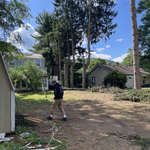
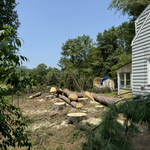
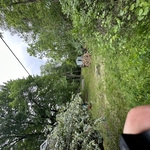
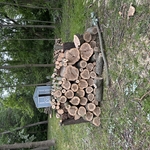
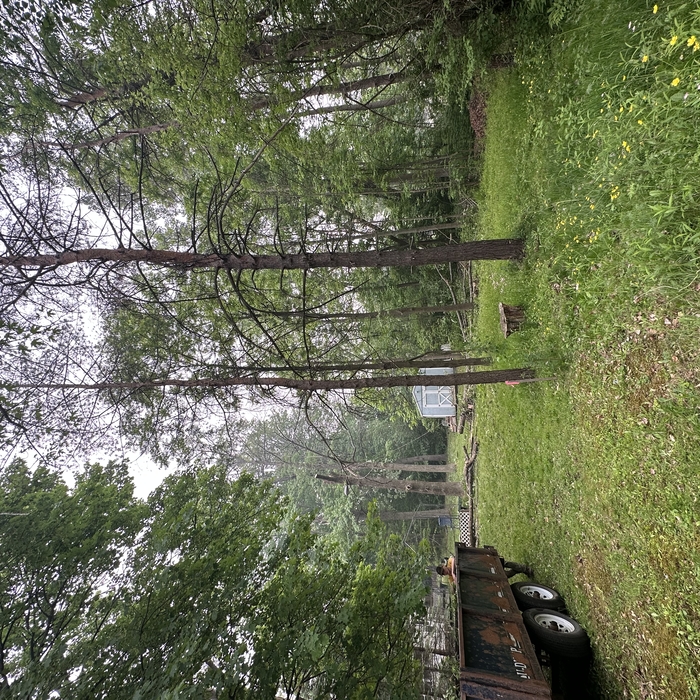
"Very knowledgeable, proficient and fast. My yard was covered in brush, dead trees and had a ditch in the middle of it. I had my land cleared and graded. I originally hired him to do part of my yard and it turned out so well we had him do the whole thing. The junk was removed, unwanted trees were taken out and gave me a clean functional yard. William was also very helpful and willing to help when we accidentally burned down our tree house and he removed the debris, he also removed hidden trash the previous owners hid in brush and dirt including a small car. He works until the job is done at a very reasonable price and is very willing to accommodate your needs to get the job done. We plan to hire him for future projects and if your looking for quality he is the right one for the job."
Removal
Removal
6 removals
Clean up
Removal

+18

Response time1 day
Response rate85%
Recommended by83%of homeowners
Showing 1-10 of 46
Tree Service questions, answered by experts

In most cases, your neighbor is responsible for roots from their tree that cause damage to your property. If your pavement, the foundation of your home, or a fence is damaged by roots from a neighbor’s tree, you likely will have legal recourse for financial relief. While it’s better to notify your neighbor of any problems you notice as soon as they arise to avoid costly damage, there are some instances where filing a civil suit is your only recourse. Your homeowner’s insurance company might wish to do so on your behalf if you file a claim.

The fastest ways to remove a tree stump are by grinding it or burning it.

Stump grinding is often the quickest method, with professionals able to chip away a stump and its roots within a single session. You have the option to hire a professional stump removal service or rent a stump grinder to do it yourself. However, it's important to note that these machines can be large, difficult to transport, and dangerous to operate without prior experience. For safety reasons, hiring a local arborist or landscape specialist is often recommended.
Burning is another fast option. Before you begin, check your local burn laws. The process involves drilling holes into the stump, filling them with vegetable oil, and waiting 24 to 48 hours. Afterward, you can add charcoal bricks to the surface and light the fire, which must be attended at all times.

For a more affordable but much slower alternative, you can use potassium nitrate pellets to accelerate the natural decomposition process. This method typically takes four to six months.

Coverage varies quite a bit by policy, but most homeowners' insurance policies will cover $500 to $1,000 of the cost of removing a tree. Additionally, if your tree causes damage to your property, like your house, many policies will cover some or all of the costs to repair the damage, depending on why the tree fell.

Talking with a septic pro before planting trees near your tank is best to ensure the roots won’t interfere with your septic system. However, there is an easy way to figure out where to plant a tree—but you’ll need to know how tall it can get when it’s fully grown. For instance, if the tree can reach 50 feet, plant it at least 50 feet from your septic system.

A palm tree's lifespan typically ranges from 40 to 100 years, though some species can live much longer. For example, certain types of Date Palm trees can live for over 200 years. The exact longevity of a palm tree is influenced by several factors, including its species, size, climate, and growing conditions. To maximize your palm's lifespan, provide proper care and maintenance, such as ensuring it gets enough sunlight, water, and nutrients, and protecting it from pests and diseases. For expert maintenance tips, consider consulting a professional arborist.

The Canaseraga, NY homeowners’ guide to tree services

From average costs to expert advice, get all the answers you need to get your job done.