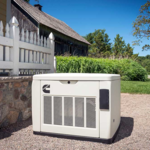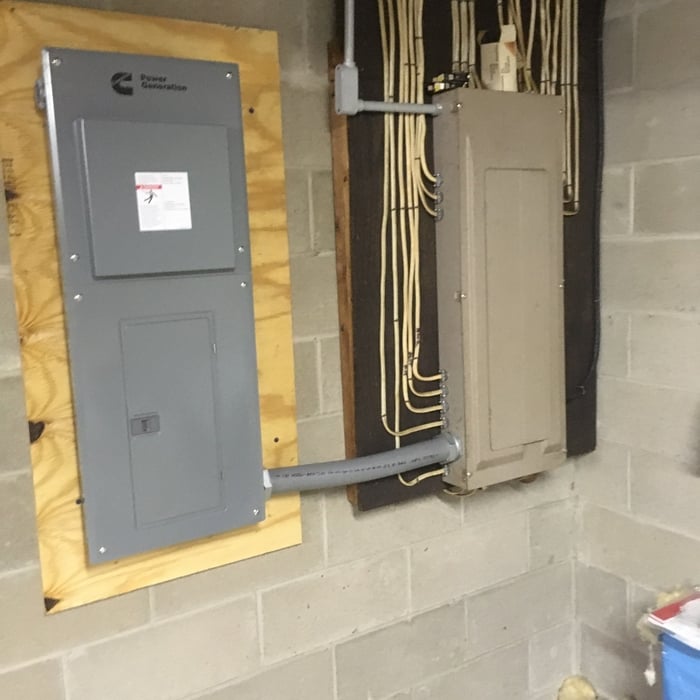





Top-rated generator install pros.

Get matched with top generator install pros in Byron, NY

Enter your zip and get matched with up to 5 pros

Need a pro for your generator install project in Byron, NY?

Select your specific project to find the pro for you.

Find Generator install pros in Byron

John Betlem Heating & Cooling Inc - Electrical
4.7(
157
)
Fixed Generator - Install

Serving Byron, NY and surrounding areas

Approved (Corporate)

In business since 1941

Free estimates

Emergency services offered

John Betlem Heating & Cooling is a 3rd generation company founded in 1941. They provide Residential HVAC, Electrical and Insulation Services to Rochester, NY and the surrounding towns. John?s slogan that still holds true today is to do ?whatever it takes? to satisfy customers.\n\nJohn Betlem is a premier family operated solutions provider, passionately committed to the health, safety, and comfort for all they serve.

33 neighbors recently requested a quote
Recommended by91%of homeowners
RJN Electrical Services, Inc.
4.7(
13
)
Fixed Generator - Install

Serving Byron, NY and surrounding areas

Approved

In business since 1987

Free estimates

Emergency services offered

"I needed to update my electric desperately and as soon as I spoke with Art my mind was put at ease. Everything was explained to me in a way I was easily able to understand and know what the process would be from beginning to end. I had all of my questions answered in a timely and friendly manner. The work that was done was amazing and all at a reasonable price... more than worth the money and I would recommend them to anyone. They are the only electricians I will call to do any work from now on!!"
Response time1 day
Recommended by100%of homeowners
Avatar for Schedel Electric
Schedel Electric
5.0(
10
)
Fixed Generator - InstallPortable Generator - Install

Serving Byron, NY and surrounding areas

In business since 2022

Free estimates

Emergency services offered

"Project was replacement of breaker box and electrical riser (the wires on the side of the house from the power company) whose insulation deteriorated and caused water leakage into breaker box during heavy rains. Got three proposals and went with Schedel. Very satisfied. Their honesty, flexibility, and punctuality were commendable. Unlike other contractors, they don't listen to the radio while working. Their quote included relabeling the circuit breakers, a plus since other contractors charge extra. Finally, their quote was significantly lower than the other two contractors. And the payment terms were flexible, to say the least."
Response time5 hrs
Response rate98%
Recommended by100%of homeowners
Showing 1-10 of 19
Generator Install questions, answered by experts

Whole-house generators need to be installed on level ground several feet away from walls and other objects. Because they tap into the electrical system directly, they usually need to be close to your home electrical panel for a transfer switch installation. It also helps with installation if they are near to a gas line or propane tank installation.

While natural gas generators are costly, they’re a great option for standby power due to the reliability of natural gas as a fuel source. Unlike other fuels, natural gas is delivered through underground pipes, making outages extremely rare and less likely to be affected by the elements. As long as the area isn’t prone to earthquakes, they offer an unlimited supply of natural gas that doesn’t degrade over time or require storage in tanks.

DIY is possible for basic setups. Professional installation ensures safe and proper electrical connections.

You can determine what size generator you need for a transfer switch by matching the switch to the largest outlet on your generator. Larger generators can power up to 10 circuits, while most 5,000-watt generators can provide power to six circuits. So, if your generator’s largest outlet is 30 amps, you’ll need a 30-amp transfer switch.

To determine the right size generator for your house, you should calculate the total wattage of the appliances and devices you want to power during an outage. List all essential items, note their start-up wattages, and add them together.

Here are some typical wattage requirements for common appliances:

  • Refrigerator: 600 watts

  • Large dehumidifier: 700 watts

  • Large window air conditioner: 1,400 watts

  • Water heater: 3,000 to 4,500 watts

  • Electric furnace: 5,000 to 25,000 watts

A 7,500-watt generator might be sufficient for essentials like a refrigerator, freezer, well pump, and lighting circuits. However, for high-demand items like a water heater or furnace, a whole-home generator is a better choice. A portable generator may be enough if you only need to power a few critical items.

While home square footage can offer a rough estimate, it is not always a reliable indicator. For reference, here are some typical generator sizes based on square footage:

  • 1,000 sq ft: 6–9 kW

  • 1,500 sq ft: 7–10 kW

  • 2,000 sq ft: 10–14 kW

  • 2,500 sq ft: 12–16 kW

  • 3,000 sq ft: 16–20 kW+

For the most accurate sizing, consult a professional who can calculate your home's peak and average power consumption and recommend the optimal generator.

The Byron, NY homeowners’ guide to generator installs

From average costs to expert advice, get all the answers you need to get your job done.