









Top-rated fencing pros.

Get matched with top fencing pros in Brant Lake, NY

Enter your zip and get matched with up to 5 pros

Need a pro for your fencing service project in Brant Lake, NY?

Select your specific project to find the pro for you.

Find Fencing pros in Brant Lake

Avatar for S&S Home Services
S&S Home Services
4.6(
10
)
Wood Fence - Install

Serving Brant Lake, NY and surrounding areas

Approved

In business since 2025

Free estimates

Small jobs welcome

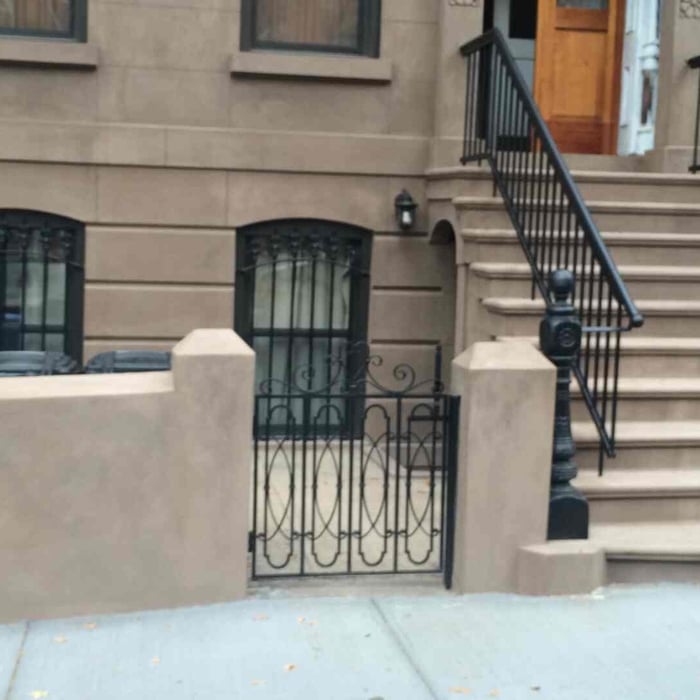
"Scott installed new PVC railings for my front stoop. He was a pleasure to work with from start to finish. I was extremely happy with the work that was done and would definitely recommend him!"
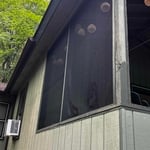
Screen replacement
Screen replacement
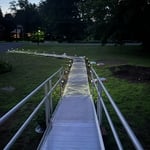
Walkway and ramp
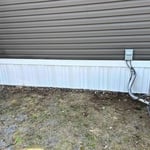
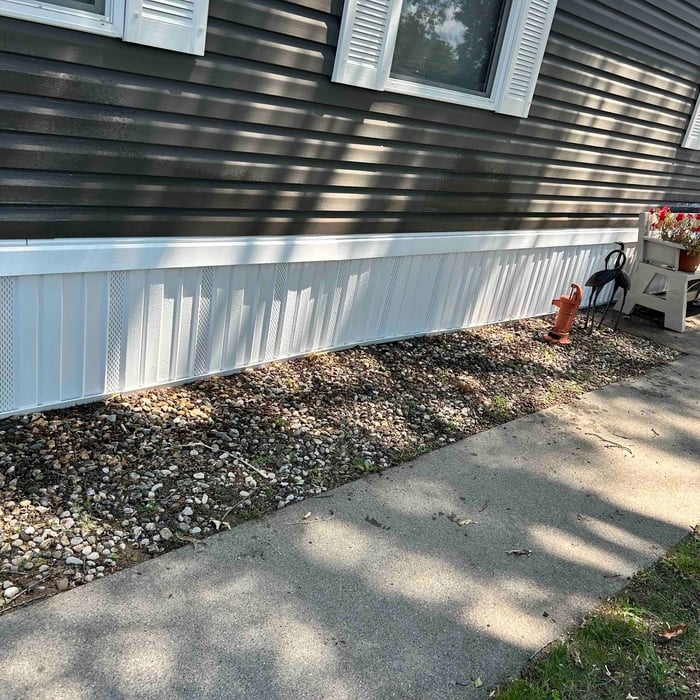
Mobile home skirting

+6

22 neighbors recently requested a quote
Avatar for generousweldingshop&repair
generousweldingshop&repair
5.0(
1
)
Barbed Wire Fence - InstallBarbed Wire Fence - RepairChain Link Fence - Install+7 more

Serving Brant Lake, NY and surrounding areas

In business since 2022

Free estimates

Emergency services offered

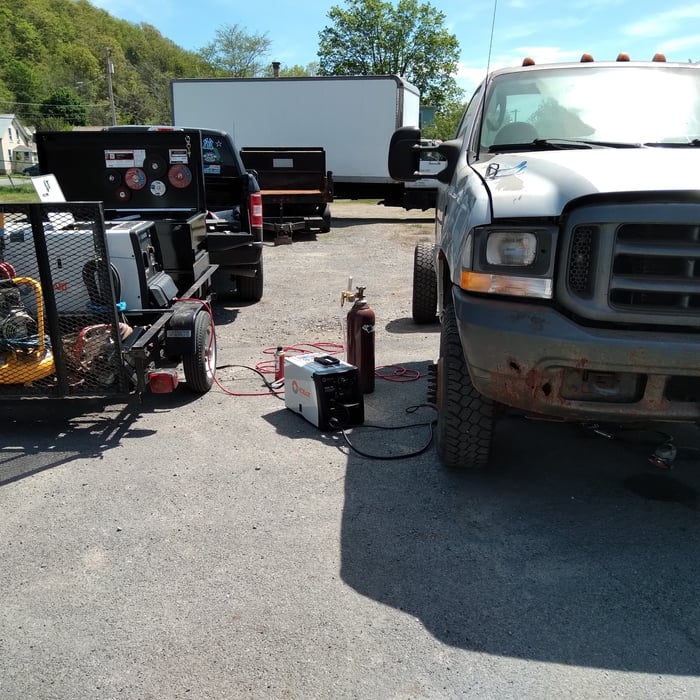
Generousweldingshopandrepair is a family owned business I do a variety of things please check out the web site thanks.\n\nI do (Emergency Mobile Welding Services)- (Mobile Services fully Equipped) Cell 518 232 7517 Home 518 499 6488 Lets talk\n\nI also have a drop off for my welding shop- $37hr for all welding applications.\n\nWhile I do Service all of vermont and alot more locations, I live on 108 Belden rd, Clemons NY 12819\n\nwww.generousweldingshopandrepair.com\n\nMoblie Services travel Cost\n\n.065 Cents a mile round trip/ $60.00 a hr from the time I leave my drive way one way\n\n$175 for welding equipment - anything after 4hrs, Then I Re evaluate my Equipment cost, Everything is on a invoice for you and you will get a copy.\n\nSteel material is full cost on you, I can have delivered or if they have in stock I can go pick - My travel expense is .065 cents a mile both round trip/ $60 hr from the time I leave my home one way.

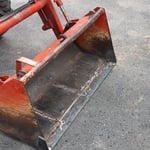
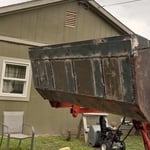
This bucket didnt take me long, plus I capped the welds with hard face on the bottom and top.
This bucket was 20yrs old and twisted bad brought all straight again
Additional Photos
Additional Photos
Additional Photos

+6

Recommended by100%of homeowners
Showing 1-10 of 39
Fencing questions, answered by experts

A chain link fence typically lasts between 15 and 20 years, but with proper maintenance, it can last for 30 years or more. To preserve the fence, it's important to keep the mesh wire tight, which can be done with a come-along tool every 6 to 12 months. Investing in a fence with a galvanized, powder-coated, or vinyl-coated finish can increase its lifespan to 20 to 30 years and reduce maintenance needs, as these coatings provide extra protection against the elements.

The most common hog wire gauge for a fence is 12.5. However, you can choose from a few gauges based on your needs. While 12.5 is a reliable gauge for penning in large, strong animals, 9 gauge is a better option of you have large animals that are easily spooked, such as horses. For smaller animals, like dogs or pigs, you can use a 16 gauge hog wire.

Yes, installing a picket fence is a manageable DIY project for homeowners with basic tools and some patience. The process involves marking the fence line, digging post holes, setting the posts, and attaching horizontal rails and pickets. However, precision is key to ensure the fence is straight and sturdy, which can be challenging for beginners. If the fence line is long, the ground is uneven, or you’re working with more complex materials like metal or composite, hiring a pro may be a better option.
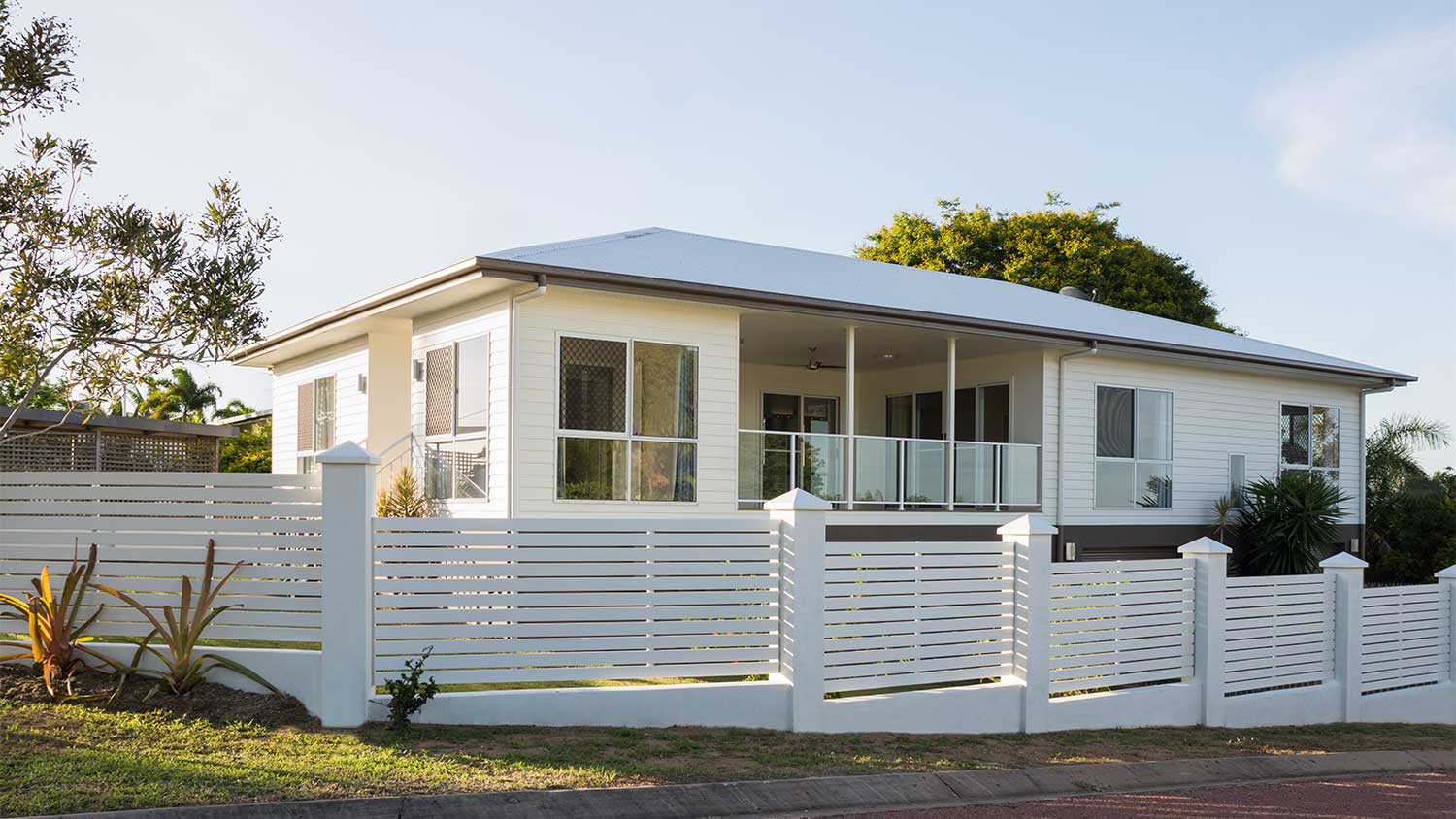
Since wood is weaker when installed horizontally versus vertically, a horizontal fence is prone to sagging. You can prevent this drooping from happening by building a sturdier fence. Use softwoods that are more stable, such as cedar and redwood, or denser hardwoods for your fence materials. If you can’t afford these pricey materials, use thicker two-by-six pressure-treated pine boards or shorten the span the fence boards have to cover by installing more posts.

A silt fence should be buried in a trench that is 6 to 12 inches deep. A depth of at least 6 to 8 inches is necessary to prevent water and sediment from running underneath the fence. A deeper trench, up to 12 inches, provides better anchoring during wet and windy weather. To ensure proper installation, look for a red line on the silt fence fabric, which often indicates the correct burial depth. Always adhere to local guidelines and regulations; a professional contractor will be familiar with these requirements.

The Brant Lake, NY homeowners’ guide to fencing services

From average costs to expert advice, get all the answers you need to get your job done.