


Top-rated excavation pros.

Best excavation pros near Bolivar, NY

Enter your zip and get matched with up to 5 pros

Need a pro for your excavation project in Bolivar, NY?

Select your specific project to find the pro for you.

Top-Rated Excavation pros in Bolivar - Updated Nov 2026

Avatar for E Schultz Contracting
E Schultz Contracting
4.9(
7
)
Excavation - Major Grading or ReslopingLandscape - Minor Grading or Resloping

Serving Bolivar, NY and surrounding areas

Approved

Super Service Award Winner

In business since 2025

Free estimates

Warranties offered

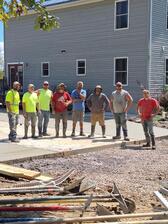
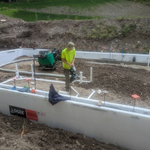
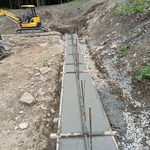
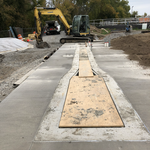
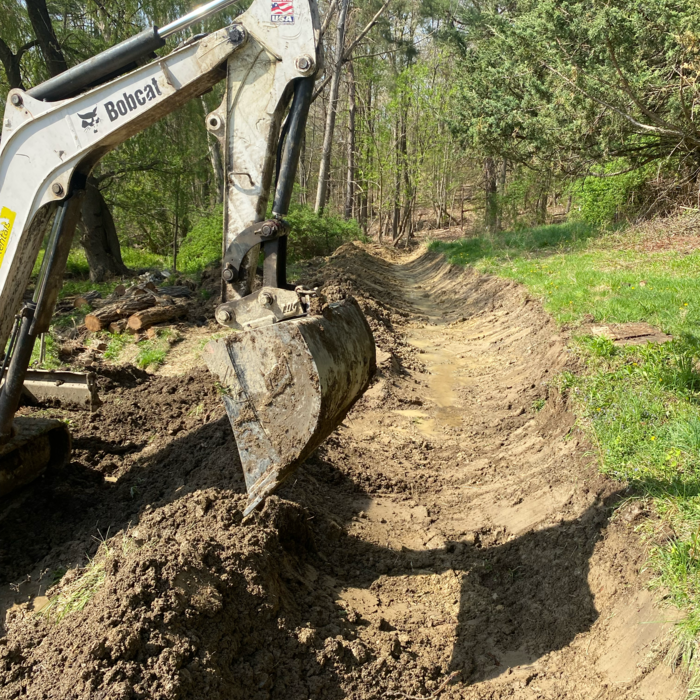
"I showed Dustin what I wanted done, he looked it over and gave me a rough estimate. He told me a time he would be here to get started but called in advance to let me know they were "tied up" (very nice of him to do that, instead of me guessing what happened). On the new date he gave me (only a couple of days later) they showed up, completed the excavation, built the forms and told me the concrete would be here the next day. Also, they followed the rough drawing, I gave them, very closely. The concrete arrived when they said it would, they completed the pour, did the finishing, actually removed the forms mere hours after the pour, sealed it, cleaned up after themselves and left. Excellent job, looks just as I had envisioned it. Only one complaint... they said they probably won't come back during the winter and shovel the snow off of it every morning. I'm well satisfied."
Additional Photos
Additional Photos
Additional Photos
Additional Photos
Additional Photos

+32

2 neighbors recently requested a quote
Recommended by71%of homeowners
SMH Excavation & Property Maintenance
New to Angi
Building Site - Preparation and ClearingExcavation - Major Grading or ReslopingLandscape - Minor Grading or Resloping

Serving Bolivar, NY and surrounding areas

Approved

In business since 2025

Free estimates

Offers commercial services

SMH Excavation & Property Maintenance is committed to excellence in every aspect of our business. We uphold a standard of integrity bound by fairness, honesty, and personal responsibility. Our distinction is the quality of service we bring to our customers. Accurate knowledge of our trade combined with ability is what makes us true professionals. Above all, we are watchful of our customers' interests, and make their concerns the basis of our business.

19 neighbors recently requested a quote
Showing 1-10 of 47
Excavating FAQs, answered by experts

The rules and regulations regarding groundwater use vary between states. To find out if you can dig a well on your property, you’ll have to consult these regulations, address any compliance requirements, and get the appropriate permits. It’s also important to check that your intended location has the right geology and water table to support a well.

If you don’t wish to dig it out and convert it into a finished basement, you can still encapsulate your crawl space to protect it from damage for an average cost of $5,500. Finishing a crawl space beyond this isn’t really worthwhile, as the low ceilings mean you won’t be able to use the area as living space.

Slab foundations are more affordable than crawl spaces because they require minimal excavation, as the slab sits directly on the ground or on footers that only sink a few feet into the ground. Crawl spaces require excavation of the entire footprint of the home to several feet below the surface. Not only does that mean higher labor costs, but more materials are necessary for the concrete foundation walls.

Sewer lines can be buried anywhere from 18 inches to 8 feet deep, with a common average depth between 18 and 30 inches. The exact depth depends on local factors like climate and soil type. In colder regions, pipes must be buried deeper (below the frost line) to prevent freezing, sometimes as deep as 8 feet. The digging depth can also impact the cost of sewer line replacement. To find the specific depth for your property, you can check the building plans for your system, which should be on file with your city or local sanitation department since permits are required for installation.

Most residential basements are 8 to 10 feet deep. You can dig deeper depending on building codes, but it does become more difficult. You’ll likely need to install stronger foundation walls and additional supports to handle the increased load. Depending on the water table, you may also need a water management system. Clay soil can support a deeper foundation than sandy soil. A structural engineer will be able to tell you the maximum, feasible depth.

The Bolivar, NY homeowners’ guide to excavation services

From average costs to expert advice, get all the answers you need to get your job done.