



Top-rated excavation pros.

Get matched with top excavation pros in Almond, NY

Enter your zip and get matched with up to 5 pros

Need a pro for your excavation project in Almond, NY?

Select your specific project to find the pro for you.

Find Excavation pros in Almond

Avatar for Summit Concrete & Excavating LLC
Summit Concrete & Excavating LLC
5.0(
2
)
Building Site - Preparation and ClearingExcavation - Major Grading or ReslopingExcavation - Major Grading or Resloping - For Business+1 more

Serving Almond, NY and surrounding areas

Approved

In business since 2025

Free estimates

Emergency services offered

At Summit, we want to exceed expectations. Our team runs on dedication, passion, and integrity. Through the process, staying honest with clear communication, keeping all parties at ease. Providing many options for achieving your vision allows for a feasible project. With results that last and you can count on.

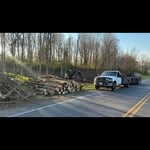
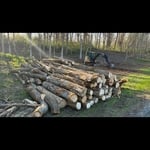
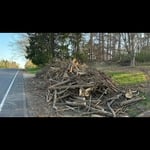
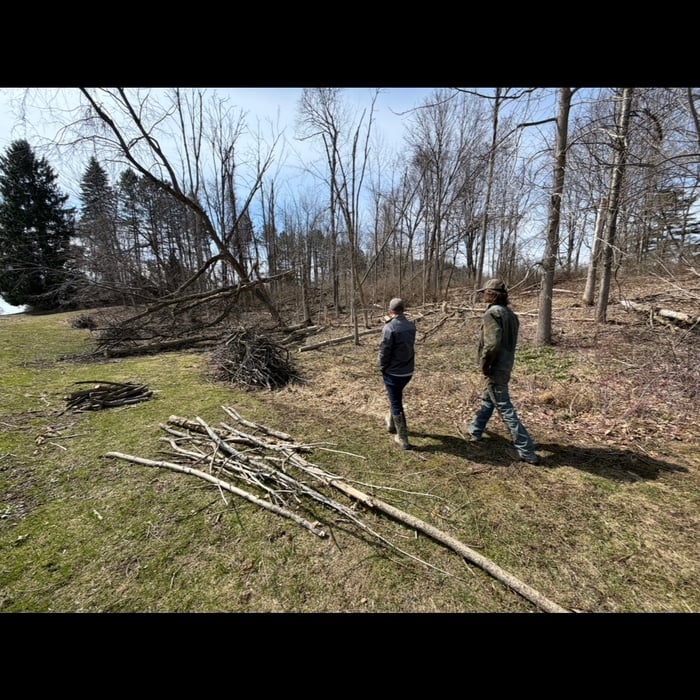
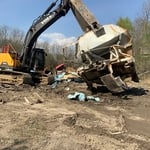
Land clearing
Land clearing
Land clearing
Land clearing
Land clearing

+18

14 neighbors recently requested a quote
SMH Excavation & Property Maintenance
New to Angi
Building Site - Preparation and ClearingExcavation - Major Grading or ReslopingLandscape - Minor Grading or Resloping

Serving Almond, NY and surrounding areas

Approved

In business since 2025

Free estimates

Offers commercial services

SMH Excavation & Property Maintenance is committed to excellence in every aspect of our business. We uphold a standard of integrity bound by fairness, honesty, and personal responsibility. Our distinction is the quality of service we bring to our customers. Accurate knowledge of our trade combined with ability is what makes us true professionals. Above all, we are watchful of our customers' interests, and make their concerns the basis of our business.

22 neighbors recently requested a quote
Horton's Services, Inc.
New to Angi
Building Site - Preparation and Clearing - For Business

Serving Almond, NY and surrounding areas

Approved

In business since 2000

Free estimates

Offers commercial services

We take great pride in our experience, expertise, quality, and customer service that we provide to meet the consumer's needs. It is our mission to provide excellent workmanship and complete customer satisfaction from start to completion of a project. In order to understand the needs and expectations of our customers, we take great care to work and communicate with every customer in a professional manner. Our reputation is based on service, safety, and quality, regardless of how large or small the job.

Rail
Rail
Rail
Rail
Response time1 day
1 neighbors recently requested a quote
Showing 1-10 of 49
Excavating questions, answered by experts

The best type of soil to build on is a mixture of sand and clay, known as loam soil. Loam soil has the best combination of these soil types to build a foundation on. The clay particles help with water retention, so it won’t erode like sandy soil might, and the sandy particles help with drainage, so you won’t see unsafe soil expansion or have an increased risk of leaks from water sitting against your foundation.

A crawl space can be as little as 42 inches below the grade of your house, but this is not always recommended in flood-prone areas. At a minimum, there must be at least 16 inches of clearance between the ground and the floor joists to access the space in an emergency.

Concrete blocks are the cheapest way to base a shed. However, the space in between allows critters to go under, burrow, and even damage your shed’s frame. For a more pest-proof option, consider building a shed base with gravel or paver stones. Both options are fairly affordable and easy enough for a DIY project. For gravel, you can build a wooden frame to contain the loose material.

While you can save some money by digging your own pool, you may end up paying more in construction equipment rental fees in the long run. You could, however, focus your DIY energies on lowering the cost of leveling your lawn for your pool or filling in surrounding landscaping after construction.

How deep your septic system needs to be into the ground depends on several factors. In extremely cold environments, the tank needs to rest below the maximum frost line, which can be up to six or eight feet deep. The standard burying depth for most systems is between a few inches and four feet below ground level. Depth can also depend on the slope of the landscaping and other property variables. 

The Almond, NY homeowners’ guide to excavation services

From average costs to expert advice, get all the answers you need to get your job done.