



Top-rated basement waterproofing pros.

Best basement waterproofing pros near Spring Creek, NV

Enter your zip and get matched with up to 5 pros

Need a pro for your basement waterproofing project in Spring Creek, NV?

Select your specific project to find the pro for you.

Top-Rated Basement waterproofing pros in Spring Creek - Updated Nov 2026

Basement Waterproofing FAQs, answered by experts

Mold and other fungi love moisture, so the best way to prevent mold growth after water damage is to remove as much moisture as possible. First, find the source of the water or moisture, such as a leak or clogged gutters, and correct the problem. Next, remove standing water, vacuum up puddles with a shop vacuum, and run blower fans and dehumidifiers for 24 to 72 hours. Once you've removed all traces of moisture, disinfect the area using either vinegar or bleach to kill any remaining mold spores.

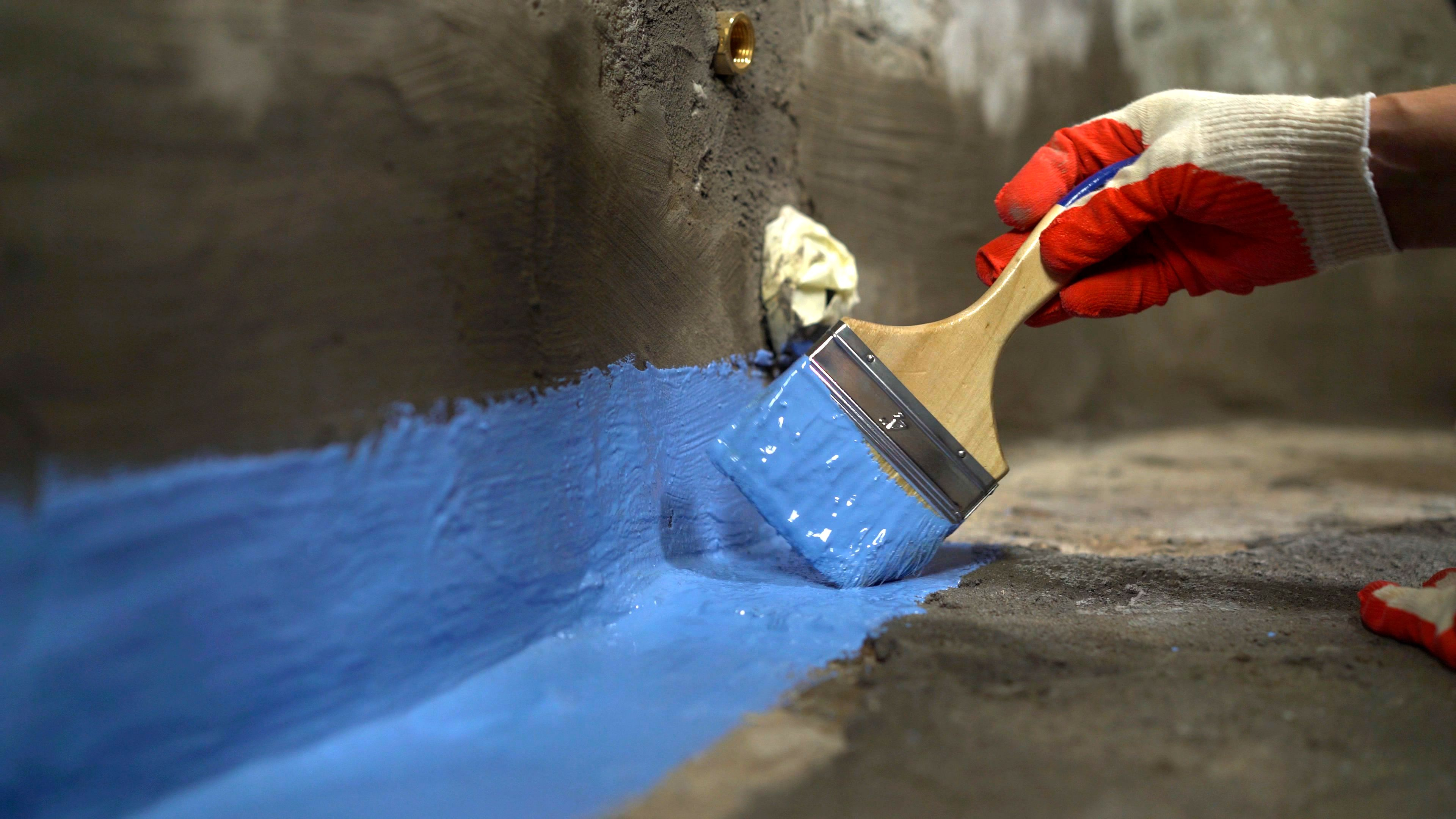
Topical sealers adhere to the surface of concrete to create a protective layer. In many cases, this is all you need for concrete that sees light to moderate traffic, such as your basement. Penetrating sealers, on the other hand, bond with the free lime in the top layer of concrete to form calcium silicate, which prevents liquid from passing through. This type of sealer protects the surface from water, oil, and gasoline spills.

The process might take a few days to a week, depending on the method chosen, area size, and weather conditions. Some solutions, like simple interior sealants, may require less time.

While water in your basement is unlikely to make you sick unless it’s coming from a sewage backup, mold is likely to start to grow in wet areas within 24 hours, and mold can make you sick. According to the Centers for Disease Control and Prevention (CDC), inhaling mold spores can cause allergy symptoms, including runny nose, itchy eyes, difficulty breathing, wheezing, and itchy skin. Individuals with pre-existing respiratory issues like asthma and immunocompromised individuals are at an elevated risk of symptoms when inhaling mold spores.

While a standard gutter system is widely considered the most effective way to prevent water damage to your home's foundation, several alternatives are available. These options can be used on their own in certain climates or as supplementary protection.

Common alternatives include:

  • Rain Chains: These are decorative chains that hang from the roof's edge, guiding rainwater to the ground.

  • Drip Edges: These metal strips are installed at the edge of the roof to direct water away from the fascia. While often used with gutters, they can be paired with a ground-level solution but are typically not sufficient on their own.

  • Rain Dispersal Systems: These systems work by breaking up the heavy sheet of water flowing off the roof, dispersing it over a wider area.

  • French Drains: This ground-level system uses a perforated pipe in a gravel-filled trench to collect and redirect water runoff away from the house.

  • Drip Paths: Placed directly below the roofline, these paths made of concrete, stone, or other materials prevent soil erosion and guide water away.

It's important to note that some alternatives like rain chains and dispersal systems may not be adequate in regions with heavy rainfall because they don't divert water away from the foundation as effectively as a full gutter system. Ground-based solutions like French drains can be very effective but are often more expensive and can affect your landscaping and curb appeal. Many experts recommend installing a full gutter system for maximum protection and using alternatives as supplementary measures.

The Spring Creek, NV homeowners’ guide to basement waterproofing services

From average costs to expert advice, get all the answers you need to get your job done.